

Recent Posts










Fiber is best known for keeping digestion regular, but its role in health goes much further. A fiber-rich diet can nourish beneficial gut microbes, support healthy cholesterol and blood sugar levels, and make meals feel more satisfying. Over time, eating a variety of high-fiber foods is also associated with better heart and metabolic health.
Unlike most carbohydrates, fiber is not fully broken down and absorbed in the small intestine. Instead, it travels through the digestive system, where different types of fiber perform different jobs. Some absorb water and form a gel, some add structure to stool, and others are fermented by bacteria in the colon.
What Is Dietary Fiber?
Dietary fiber is the part of plant foods that human digestive enzymes cannot completely break down. It is naturally present in vegetables, fruits, beans, lentils, whole grains, nuts, and seeds.
Although fiber is a carbohydrate, it does not behave like starch or sugar. It reaches the large intestine relatively intact, where it can hold water, alter the texture of digestive contents, slow the absorption of certain nutrients, and provide fuel for gut bacteria. Fiber is commonly described as soluble or insoluble, although properties such as viscosity and fermentability also affect how it behaves.
Soluble Fiber
Soluble fiber mixes with water. Certain soluble fibers form a thick gel in the digestive tract, which can slow stomach emptying and the absorption of carbohydrates. This may help reduce sharp increases in blood sugar after a meal and help you stay satisfied for longer.
Some gel-forming soluble fibers can also trap bile acids in the intestine. Because the body uses cholesterol to make new bile acids, this process may contribute to lower LDL, often called “bad,” cholesterol.
Oats, barley, beans, lentils, apples, citrus fruits, carrots, psyllium, and some seeds provide soluble fiber.
Insoluble Fiber
Insoluble fiber does not dissolve in water. It adds bulk to digestive contents and can help waste move through the intestines. For many people, this supports regular bowel movements and reduces the likelihood of constipation.
Whole-wheat products, wheat bran, brown rice, quinoa, leafy vegetables, nuts, seeds, and the edible skins of many fruits and vegetables contain insoluble fiber.
Most plant foods contain a mixture of fiber types, so there is usually no need to focus exclusively on one category. Eating a broad range of plant foods is a simpler way to obtain fibers with different functions.
How Fiber Benefits the Body
It Supports Comfortable, Regular Bowel Movements
Fiber can improve stool consistency in several ways. Insoluble fiber increases bulk and encourages movement through the colon. Gel-forming soluble fiber holds water, which can make hard stool softer and easier to pass.
Fermentable fibers may also support regularity by affecting water content and stool volume. Fiber works best when fluid intake is adequate, and adding a large amount without drinking enough may worsen constipation in some people.
It Feeds the Gut Microbiome
The large intestine is home to trillions of microorganisms collectively known as the gut microbiome. Certain fibers act as food for these microbes and are therefore described as fermentable or prebiotic fibers.
As gut bacteria ferment fiber, they produce compounds called short-chain fatty acids. These compounds help provide energy to cells lining the colon and take part in processes related to immune function and metabolism.
Different microbes prefer different types of plant material. For this reason, variety matters. Rotating among beans, whole grains, vegetables, fruits, nuts, and seeds may support a more diverse microbial community than relying on a single fiber supplement or the same few foods every day.
It Can Help Maintain Healthy Cholesterol Levels
Viscous soluble fibers found in foods such as oats, barley, legumes, and psyllium can help lower LDL cholesterol. The gel they create may reduce the reabsorption of bile acids and cholesterol in the intestine, allowing more of these substances to leave the body in stool.
Fiber-rich eating patterns also tend to include more minimally processed plant foods and less saturated fat. Together, these features can support cardiovascular health.
It Slows the Rise in Blood Sugar After Meals
Soluble, viscous fiber slows the movement of food through the digestive tract and delays carbohydrate absorption. As a result, glucose may enter the bloodstream more gradually. Whole foods that contain fiber also often produce a different blood sugar response from highly refined foods in which much of the natural fiber has been removed.
It May Help With Appetite and Weight Management
High-fiber foods often require more chewing, take up more space in the stomach, and digest more slowly than highly refined foods. These qualities can make a meal feel fuller and more satisfying.
Foods such as beans, vegetables, whole grains, and whole fruits also tend to provide a large volume of food for a moderate number of calories. Fiber alone does not guarantee weight loss, but replacing some refined foods with fiber-rich alternatives may make appetite easier to manage.
It Is Linked With Better Long-Term Health
Studies consistently associate higher fiber intake—particularly fiber from whole grains, legumes, fruits, and vegetables—with a lower risk of cardiovascular disease, type 2 diabetes, colorectal cancer, and premature death.
This does not mean fiber acts as a single protective ingredient. High-fiber foods also contain vitamins, minerals, polyphenols, and other useful compounds, so the goal should be a better overall dietary pattern rather than dependence on one isolated nutrient.
Foods That Provide Plenty of Fiber
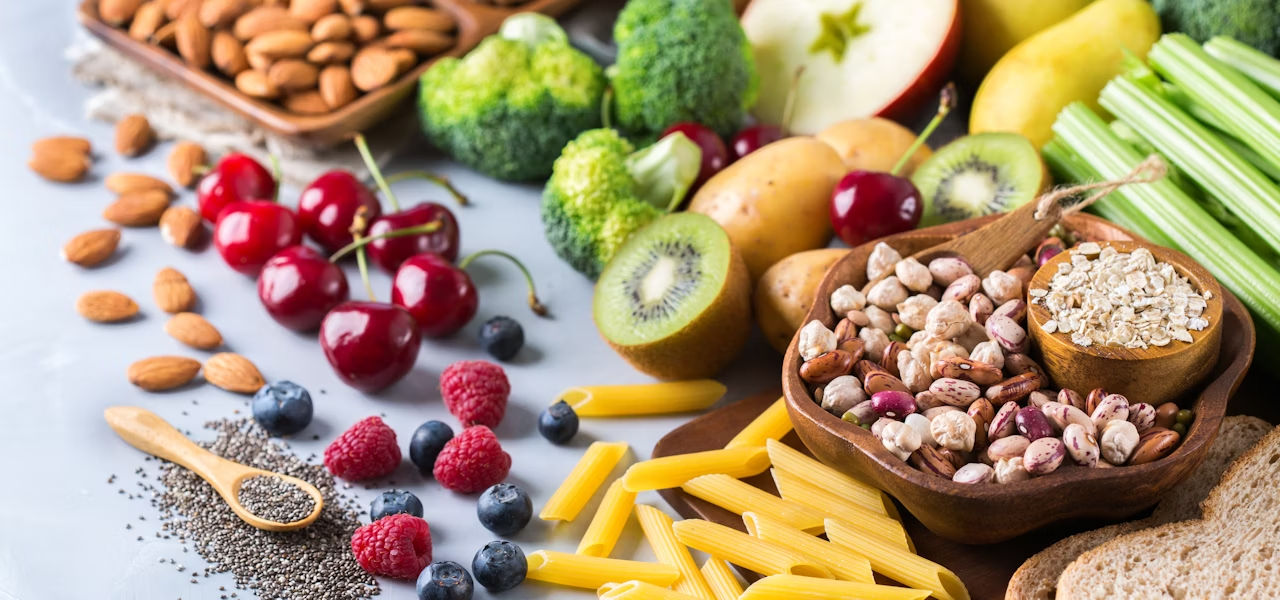
Fiber content varies according to the food, portion size, variety, and cooking method. The following foods are useful options for building a higher-fiber diet:
- Beans, chickpeas, and lentils
- Oats, barley, quinoa, and brown rice
- Whole-wheat bread and pasta
- Bran cereals and other minimally processed whole-grain cereals
- Raspberries, blackberries, pears, apples, oranges, and kiwi
- Green peas, broccoli, artichokes, carrots, and leafy greens
- Potatoes and sweet potatoes with the skin
- Almonds, pistachios, peanuts, chia seeds, and ground flaxseeds
Legumes are especially efficient sources. Depending on the type and portion, a cup of cooked beans or lentils can supply a substantial share of a person’s daily fiber needs. Berries, pears, bran cereals, and whole-grain pasta can also make meaningful contributions.
Whole fruit is generally a better fiber source than clear juice because the fruit’s fibrous structure remains intact. Smoothies can retain fiber when the entire fruit or vegetable is blended.
How Much Fiber Do You Need?
Fiber requirements vary with age, sex, energy needs, and the guidelines used. In the United States, the Daily Value shown on food labels is 28 grams for a 2,000-calorie diet. Other recommendations for adults commonly fall between about 22 and 34 grams per day, with individual targets sometimes extending slightly beyond this range.
Rather than becoming preoccupied with an exact number, check food labels and notice how often plant foods appear in your meals. Under U.S. labeling guidance, a serving that provides at least 20% of the Daily Value is considered high in fiber.
Practical Ways to Eat More Fiber
Small changes across several meals are often easier to tolerate than one very large serving of fiber.
- Choose a whole grain at breakfast. Try oats, whole-grain toast, or a cereal with a meaningful amount of fiber per serving.
- Add beans or lentils gradually. Mix them into soups, salads, curries, pasta sauces, or grain bowls.
- Keep edible skins on produce. After washing, leave the skin on foods such as apples, pears, potatoes, and carrots when appropriate.
- Make snacks work harder. Pair fruit with nuts, choose roasted chickpeas, or add seeds to yogurt.
- Replace refined grains step by step. Use brown rice, whole-wheat pasta, barley, or quinoa for some of your usual white rice or refined pasta.
- Include vegetables in foods you already enjoy. Add spinach to soup, mushrooms to an omelet, or frozen peas to rice dishes.
Increase Fiber Gradually
A sudden jump in fiber intake can cause gas, bloating, cramping, or changes in bowel habits. Gut microbes need time to adjust, particularly when you begin eating more legumes or fermentable fibers.
Add fiber over several days or weeks, drink enough fluids, and pay attention to how your body responds. Regular movement may also support bowel function. If a particular food repeatedly causes discomfort, reduce the portion and try a different source rather than abandoning fiber altogether.
Supplements such as psyllium can help in some situations, but they do not provide the full range of nutrients found in whole foods. They may also affect how certain medicines are absorbed, so check with a healthcare professional if you take medication or manage a digestive condition.
The Bottom Line
Fiber is an indigestible component of plant foods that performs many useful functions as it moves through the body. It can support comfortable bowel movements, nourish gut microbes, moderate the absorption of sugar, contribute to healthy cholesterol levels, and make meals more satisfying.
The most practical approach is to eat many different plant foods and increase intake gradually. Beans, lentils, whole grains, fruits, vegetables, nuts, and seeds each contribute a different mix of fibers and nutrients. With enough fluid and a little patience, modest daily changes can add up to a more fiber-rich—and more varied—way of eating.
Frequently Asked Questions
Which Foods Are Highest in Fiber?
Beans, lentils, bran cereals, berries, seeds, and certain whole grains are among the most concentrated everyday sources. The best choice is not necessarily one “highest-fiber” food, but a varied combination that is easy to eat regularly.
Is It Safe to Eat Fiber Every Day?
For most people, fiber-containing foods belong in the diet every day. Regular intake supports digestion and overall health. Increase the amount gradually and drink sufficient fluid, especially if your current diet is low in fiber.
Can You Get Fiber From Drinks?
Drinks made with whole blended fruits, vegetables, oats, or seeds can contain fiber. Clear juices usually contain much less because the fibrous material has been removed. Water itself has no fiber, but adequate hydration helps fiber perform its digestive functions.
What Fruits Are Good Sources of Fiber?
Raspberries, blackberries, pears, apples with their skin, passion fruit, guava, oranges, and kiwi are good options. Eating several different fruits provides a broader mix of fiber and plant compounds.