

Recent Posts










A healthy digestive system depends on much more than avoiding an occasional stomachache. Inside the intestines is a vast community of bacteria and other microorganisms known as the gut microbiome. These microbes help break down parts of our food, produce useful compounds, interact with the immune system, and support the protective barrier lining the gut.
Diet is one of the strongest everyday influences on this microbial community. Vegetables are particularly valuable because they bring together fiber, water, vitamins, minerals, and thousands of natural plant chemicals. Each vegetable offers a slightly different combination, which is why variety matters as much as quantity.
The following ten foods are practical, widely available choices for supporting digestive health. They are not cures for gut conditions, and none can transform the microbiome on its own. Instead, think of them as building blocks for a diverse and nourishing way of eating.
What makes a vegetable good for the gut?
Three qualities appear repeatedly in gut-friendly vegetables: fiber, hydration, and polyphenols.
Dietary fiber passes through the small intestine without being completely digested. Some types add bulk to stool and help it move through the digestive tract. Other types are fermented by gut microbes. During fermentation, bacteria produce compounds such as short-chain fatty acids, which help nourish cells in the colon and support the gut barrier.
Water is also essential. Fiber works best when the body is adequately hydrated, and water-rich foods can contribute to softer, easier-to-pass stools. Meanwhile, polyphenols—natural compounds that give many plants their color, flavor, and protective qualities—interact with gut microbes and may encourage a more balanced intestinal environment.
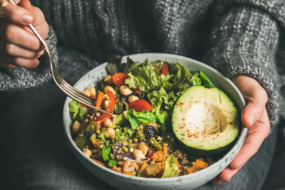
The strongest diet therefore does not revolve around one nutrient. It includes many plants that provide different fibers and plant compounds while also helping the body stay hydrated.
1. Mushrooms
Mushrooms are fungi rather than true vegetables, but in the kitchen they play a similar role and provide several gut-supporting components. Their cell walls contain complex carbohydrates, including beta-glucans and other fibers that may act as food for beneficial gut microbes.
When bacteria ferment these carbohydrates, they create metabolites that can help maintain the intestinal lining. Mushrooms also provide B vitamins, minerals, and savory flavor, making it easier to build satisfying meals around plants.
Roast mushrooms until browned, sauté them with garlic and herbs, or add them to soups, stews, pasta sauces, and grain bowls. Different varieties have different textures, so alternating button, oyster, shiitake, and other edible mushrooms can add more variety to your diet.
2. Cucumbers
Cucumbers are botanically fruits, although most people prepare them as vegetables. Their greatest advantage is hydration: a fresh cucumber is made up of more than 95% water. Water-rich foods cannot replace drinking fluids, but they can contribute to overall hydration and help fiber perform its role in regular bowel movements.
The skin and seeds also contain fiber and plant compounds, including polyphenols. Unless the skin is unusually tough or has been waxed, keeping it on provides more of these components than peeling it away.
Use cucumber in salads, cold soups, sandwiches, and grain bowls, or serve sliced cucumber with hummus or yogurt-based dips. Fermented cucumber pickles may contain live microbes when they are naturally fermented and unpasteurized, although many commercial pickles are made with vinegar and do not provide probiotic cultures.
3. Baby spinach
Baby spinach is harvested before the leaves fully mature, giving it a tender texture and mild flavor. It supplies fiber as well as vitamins A, C, and K, folate, carotenoids, and a range of polyphenols.
Because the leaves shrink dramatically during cooking, adding a handful to a warm dish is an easy way to increase vegetable intake without making the meal feel much larger. Baby spinach works in salads, omelets, soups, curries, stir-fries, pasta sauces, and smoothies.
Frozen spinach is equally useful. It is normally frozen soon after harvest and can be stored for months, making it a convenient and economical option. Add it directly to soups and sauces or thaw it before using it in fillings and baked dishes.
4. Watercress
Watercress has a fresh, peppery taste that can make simple meals more interesting. It provides vitamins A, C, and K, along with minerals and flavonoids, a large family of polyphenol compounds.
These plant chemicals are not digested in exactly the same way as protein or carbohydrates. Many reach the colon, where microbes help transform them into smaller compounds. Researchers are continuing to study how this two-way relationship between polyphenols and gut bacteria affects human health.
Watercress needs little preparation. Scatter it over soups, tuck it into sandwiches, mix it with milder salad leaves, or blend it into pesto and other green sauces. Its bold flavor means even a small portion can change a dish.
5. Leeks
Leeks belong to the same allium family as onions and garlic. They have a softer, sweeter flavor and are a natural source of inulin, a fermentable fiber with prebiotic properties.
Prebiotics are substances used by certain helpful gut microbes as fuel. As bacteria ferment inulin, they produce short-chain fatty acids and other metabolites. Inulin may also support regular bowel movements, although a large amount can cause gas or bloating in people who are sensitive to fermentable carbohydrates.
Wash leeks thoroughly because soil often collects between their layers. Slice them into soups, stews, risottos, and savory pies, or roast them until their edges caramelize. Both the white and tender green sections can be used.
6. Bean sprouts
Bean sprouts are young shoots, most commonly grown from mung beans. They add crispness to dishes while providing fiber and polyphenols. A cup of cooked mung bean sprouts supplies roughly 4 grams of fiber, including insoluble fiber that helps add bulk and move material through the intestines.
They are easy to include in stir-fries, noodle dishes, curries, soups, and rice bowls. Their delicate texture means they only need brief cooking.
Raw sprouts can sometimes carry harmful bacteria because the warm, humid conditions used for sprouting also favor microbial growth. Washing helps but does not eliminate every risk. Young children, pregnant people, older adults, and anyone with a weakened immune system are generally safer choosing thoroughly cooked sprouts.
7. Lettuce
Lettuce is sometimes dismissed as nutritionally unimportant, but it contributes water, fiber, carotenoids, and polyphenols. Most varieties contain about 94–95% water, making lettuce a useful source of hydration alongside other foods and drinks.
Color can be a helpful cue for variety. Pale iceberg lettuce is crisp and water-rich, while darker green and red varieties often contain higher concentrations of certain plant pigments. Rotating romaine, butterhead, oak leaf, red leaf, and other types introduces different textures and phytochemicals.
Lettuce is not limited to salad. Add it to sandwiches and wraps, use large leaves as cups for savory fillings, stir sturdy varieties into soup at the end of cooking, or quickly grill halved romaine for a warm side dish.
8. Green peas
Green peas belong to the legume family, although they are often served as a starchy vegetable. They are one of the most fiber-rich foods on this list: a cooked cup can provide more than 8 grams of fiber.
Peas contain both insoluble and soluble fiber. Insoluble fiber supports the movement of stool through the digestive tract. Soluble fiber absorbs water and forms a gel-like material, which can soften stool, slow digestion, and help reduce the absorption of some cholesterol.
Frozen peas are inexpensive, require almost no preparation, and retain nutrients well. Stir them into soups, pasta, curries, fried rice, or mashed potatoes, or blend them with herbs into a bright green dip. Pea pods from edible varieties, such as snow peas and sugar snap peas, provide another texture and count as a different plant choice.
9. Zucchini
Zucchini, also known as courgette, is a summer squash with edible skin, flesh, and seeds. It is approximately 94% water and supplies modest amounts of both soluble and insoluble fiber.
Its mild taste makes it especially useful for people who are trying to eat more vegetables without changing the flavor of familiar meals too dramatically. Zucchini can be roasted, sautéed, grilled, added to soups, grated into fritters, or folded into tomato-based sauces.
Spiralized zucchini can supplement noodles, but it does not need to replace grains entirely. Whole grains contribute valuable fibers of their own, so combining zucchini ribbons with whole-grain pasta can offer greater plant diversity than choosing only one of them.
10. Cauliflower
Cauliflower combines a high water content with useful fiber. A cup of raw cauliflower provides a little over 2 grams of fiber, while approximately 92–94% of its weight comes from water.
As a cruciferous vegetable, cauliflower also contains glucosinolates, plant compounds that are broken down during chopping, cooking, digestion, and microbial activity. Scientists are studying the potential roles of these compounds, but cauliflower’s main everyday value is simpler: it is a versatile way to add another fiber-containing plant to meals.
Steam or roast the florets, add them to curry and soup, mash them with potatoes, or pulse them into cauliflower “rice.” White is the most familiar color, but purple, orange, and green varieties can make a plate more diverse and visually appealing.
How to eat a wider variety of vegetables
Eating the same salad every day is better than eating no vegetables, but a wider selection gives the microbiome access to more types of fiber and plant chemicals. A commonly suggested goal is to include around 30 different plant foods over the course of a week. This is a practical diversity target rather than a strict medical rule, and vegetables, fruits, whole grains, legumes, nuts, seeds, herbs, and spices can all contribute.
Try these simple strategies:
- Add a handful of greens to soups, curries, eggs, and pasta sauces.
- Keep frozen spinach, peas, cauliflower, and mixed vegetables available for quick meals.
- Serve cucumber, peppers, or carrots with a dip as a snack.
- Combine two vegetable side dishes instead of preparing one large portion of the same vegetable.
- Plan one plant-centered meal each week using beans, lentils, or tofu.
- Sprinkle meals with different herbs, seeds, and spices to increase variety without greatly increasing portion size.
If you currently eat little fiber, increase it slowly. Rapidly adding large amounts of beans, leeks, mushrooms, and cruciferous vegetables may lead to temporary bloating or gas. Gradual changes, adequate fluids, and regular movement can make the adjustment more comfortable.
Other habits that support the gut
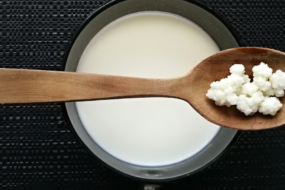
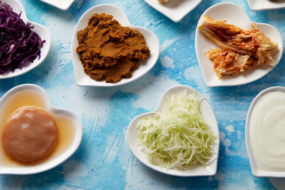
Vegetables are important, but they work best as part of a broader pattern. Include whole grains such as oats, barley, quinoa, and brown rice, as well as fruits, legumes, nuts, and seeds. Fermented foods containing live cultures—such as unsweetened yogurt, kefir, kimchi, and some types of miso or sauerkraut—can add another dimension to the diet if you enjoy and tolerate them.
Limit the extent to which heavily processed, low-fiber foods displace whole foods. Sleep sufficiently, exercise regularly, manage stress where possible, avoid smoking, and try to maintain a reasonably consistent eating schedule. These habits can influence digestion and metabolic health even when their effects cannot be seen immediately.
People with persistent abdominal pain, unexplained weight loss, blood in the stool, ongoing diarrhea or constipation, or major changes in bowel habits should seek medical advice rather than trying to correct the problem with diet alone.
Summary
The best vegetables for gut health are not defined by a single nutrient. Mushrooms and leeks provide fermentable prebiotic fibers; peas and bean sprouts contribute useful amounts of fiber; cucumbers, lettuce, zucchini, and cauliflower help with hydration; and leafy greens bring a wide range of polyphenols and micronutrients.
No vegetable needs to be eaten every day, and no one food can “heal” the gut. A more effective approach is to rotate many plants, prepare them in ways you enjoy, and build up fiber gradually. Over time, this variety provides a wider menu for gut microbes while supporting regular digestion and overall nutrition.
Frequently asked questions
What is the single best vegetable for gut health?
There is no clear winner. Different vegetables provide different fibers, water, and plant compounds, so a varied selection is more beneficial than focusing on one food. If you want a simple place to begin, choose one leafy green, one legume, one allium such as leek or onion, and one cruciferous vegetable each week.
Can certain foods cure gut inflammation?
Some foods, including garlic, ginger, colorful vegetables, and green tea, contain compounds with anti-inflammatory properties. However, evidence does not show that an individual food can cure intestinal inflammation. Inflammatory bowel disease and other persistent digestive disorders require professional diagnosis and appropriate treatment.
What are common signs that the gut may be out of balance?
Bloating, excessive gas, diarrhea, constipation, and abdominal discomfort can all signal a digestive problem, but they do not identify one specific cause. Fatigue, mood changes, and skin symptoms are sometimes linked with gut health, yet they can arise for many other reasons. Speak with a healthcare professional if symptoms are severe, persistent, or interfering with daily life.
Are raw vegetables always better than cooked vegetables?
- 25 water-rich foods to help you stay hydrated this summer. (2023). https://utswmed.org/medblog/hydrating-healthy-foods/
- A critical review on health promoting benefits of edible mushrooms through gut microbiota. International Journal of Molecular Sciences. (2017). https://www.ncbi.nlm.nih.gov/pmc/articles/PMC5618583/
- Analysis of flavonoid metabolites in watercress (Nasturtium officinale R. Br.) and the non-heading Chinese cabbage (Brassica rapa ssp. chinensis cv. Aijiaohuang) using UHPLC-ESI-MS/MS. Molecules. (2021).
https://www.ncbi.nlm.nih.gov/pmc/articles/PMC8510128/ - A review of phytochemistry, metabolite changes, and medicinal uses of the common food mung bean and its sprouts (Vigna radiata). Chemistry Central Journal. (2014). https://www.ncbi.nlm.nih.gov/pmc/articles/PMC3899625/
- Bean sprouts, cooked. (2019).
https://fdc.nal.usda.gov/fdc-app.html#/food-details/2345394/nutrients - Cucumber. (n.d.).
https://www.kew.org/plants/cucumber - Dietary cold pressed watercress and coconut oil mixture enhances growth performance, intestinal microbiota, antioxidant status, and immunity of growing rabbits. Animals. (2018). https://www.ncbi.nlm.nih.gov/pmc/articles/PMC6262618/
- Dietary guidelines for Americans. (2020).
https://www.dietaryguidelines.gov/sites/default/files/2020-12/Dietary_Guidelines_for_Americans_2020-2025.pdf - Eating, diet & nutrition for constipation. (2018).
https://www.niddk.nih.gov/health-information/digestive-diseases/constipation/eating-diet-nutrition - Fiber content of selected vegetables. (2000). https://www.ncbi.nlm.nih.gov/books/NBK326737/table/lipids_lifestyle-changes-lipids-and-lipoproteins.T._7/
- Foods of the Mediterranean diet: Citrus, cucumber and grape. Journal of Preventive Medicine & Hygiene. (2022).
https://www.ncbi.nlm.nih.gov/pmc/articles/PMC9710412/ - Health effects and sources of prebiotic dietary fiber. Current Developments in Nutrition. (2018). https://www.ncbi.nlm.nih.gov/pmc/articles/PMC6041804/
- Interaction of dietary polyphenols and gut microbiota: Microbial metabolism of polyphenols, influence on the gut microbiota, and implications on host health. Food Frontiers. (2020). https://onlinelibrary.wiley.com/doi/full/10.1002/fft2.25
- Inulin: Properties and health benefits. Food & Function. (2023). https://pubmed.ncbi.nlm.nih.gov/36876591/
- Keeping your gut in check: Healthy options to stay on tract. (2017). https://newsinhealth.nih.gov/2017/05/keeping-your-gut-check
- Legume of the month: Peas. (2019).
https://www.health.harvard.edu/heart-health/legume-of-the-month-peas - Phytochemicals, nutrition, metabolism, bioavailability, and health benefits in lettuce — a comprehensive review. Antioxidants (Basel). (2022).
https://www.ncbi.nlm.nih.gov/pmc/articles/PMC9219965/ - Rough up your diet: Fit more fiber into your day. (2010).
https://newsinhealth.nih.gov/2010/08/rough-up-your-diet - Spinach consumption and nonalcoholic fatty liver disease among adults: A case-control study. BMC Gastroenterology. (2021).
https://bmcgastroenterol.biomedcentral.com/articles/10.1186/s12876-021-01784-8 - Spinach, raw. (2020).
https://fdc.nal.usda.gov/fdc-app.html#/food-details/2345120/nutrients - Squash, summer, zucchini, includes skin, raw. (2019).
https://fdc.nal.usda.gov/fdc-app.html#/food-details/169291/nutrients - Watercress, raw. (2019).
https://fdc.nal.usda.gov/fdc-app.html#/food-details/170068/nutrients