

Recent Posts










Most people know that fruit and vegetables are good for them. But eating more plants is only part of the picture. The range of plants on your plate may matter too.
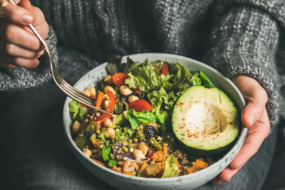
A “30-plant week” means eating around 30 different plant foods over seven days. The list can include far more than fresh produce: beans, whole grains, nuts, seeds, herbs, spices, tea, and coffee all contribute. It is not a strict prescription, and reaching exactly 30 is not essential. Instead, the idea provides a simple way to make meals more varied.
That matters because every plant brings its own mixture of fiber, vitamins, minerals, and naturally occurring plant compounds. A week built around oats, lentils, apples, spinach, walnuts, tomatoes, and herbs supplies a broader nutritional range than one based repeatedly on the same two vegetables.
Why Plant Variety Matters
Variety becomes especially interesting when we consider the trillions of microorganisms that live in the digestive tract. Together, these bacteria and other microbes form the gut microbiome. They interact with food, produce useful compounds, and take part in processes connected with digestion, immune function, and metabolism.
Different microbes are adapted to use different substances. Some prefer particular forms of fiber, while others help break down resistant starches or transform plant chemicals. Eating a wider range of plants therefore provides a larger selection of microbial substrates than relying on the same foods every day.
Dietary fiber is central to this relationship. Fiber includes carbohydrates and related plant components that human digestive enzymes cannot fully break down in the small intestine. Some fiber adds bulk and supports regular bowel movements. Some absorbs water, while certain fermentable fibers travel to the colon, where gut microbes can use them.
During fermentation, microbes produce substances including short-chain fatty acids. These compounds may help nourish cells lining the colon and are being studied for their roles in inflammation, glucose regulation, appetite, and immune signaling. Not every type of fiber is fermented in the same way, which is another reason that variety may be useful.
Plants also contain polyphenols, a large family of compounds involved in their color, flavor, and defense. Berries, cocoa, tea, coffee, olives, herbs, nuts, and richly colored vegetables are among the many sources. Some polyphenols are absorbed earlier in digestion, while others reach the colon and are transformed by gut microbes into different metabolites.
The relationship works in both directions: plant compounds may influence microbial communities, and microbes can change those compounds into forms the body may use differently. Research suggests that plant-rich dietary patterns are associated with favorable health outcomes, but scientists are still working out which microbes and metabolites matter most. There is no single universally accepted picture of a “perfect” microbiome.
Where Did the Number 30 Come From?
Thirty became a popular target largely because of the American Gut Project, a large citizen-science study published in 2018. Researchers analyzed diet information and stool samples from more than 10,000 participants, most of whom lived in the United States, the United Kingdom, and Australia.
Among the dietary patterns examined, one notable difference appeared between participants who reported eating more than 30 types of plants per week and those who ate 10 or fewer. The higher-variety group tended to have a more diverse gut microbiome. Researchers also found differences in some microbial functions and metabolites.
The specific high-versus-low comparisons involved subsets of the wider project, rather than all 10,000-plus participants completing a controlled diet experiment. The volunteers were also self-selected, so they did not perfectly represent the general population.
This was an intriguing finding, but it did not establish a biological threshold at 30. The study was observational and relied partly on self-reported information. It could identify associations, but it could not prove that eating a particular number of plants directly caused the microbial differences.
People who eat more varied plant foods may also differ in income, exercise, sleep, medication use, cooking habits, or other aspects of lifestyle. These factors can influence health and the microbiome as well. The original comparison also does not tell us that 30 is ideal for every person or that the twenty-ninth plant is ineffective while the thirtieth produces a sudden benefit.
For these reasons, 30 is best treated as a memorable behavioral goal. It encourages curiosity and variety, but it is not a medical cutoff. Quantity and overall food quality still matter. A pinch of spice and a bowl of beans may both add a plant name to a list, yet they do not provide the same amount of fiber or nutrients.
The challenge also complements rather than replaces guidance about portions. Eating five portions of fruit and vegetables in a day and eating a wide range of plants across a week address different questions: one emphasizes quantity, while the other encourages diversity.
What Counts as a Plant Food?
Beyond fruit and vegetables, many everyday ingredients can make the weekly total rise surprisingly quickly. There is no official universal scoring system, so the most useful approach is to count each distinct plant once during the week and focus on expanding your usual selection.
Vegetables
Leafy greens, root vegetables, cruciferous vegetables, squashes, and members of the onion family all count. Spinach, kale, broccoli, cabbage, carrots, beetroot, aubergine, courgette, onions, garlic, and sweet potatoes are separate examples.
Fresh, frozen, and canned vegetables can all be useful. Frozen vegetables are often convenient and reduce waste, while canned vegetables can make quick meals easier. If choosing canned options, checking the salt level may be worthwhile.
Fruit
Apples, pears, oranges, bananas, kiwis, grapes, peaches, berries, and other fruits each add to the range. Frozen berries and canned fruit without large amounts of added sugar can make variety more affordable throughout the year.
Foods such as tomatoes, avocados, peppers, and cucumbers are botanically fruits but commonly treated as vegetables in cooking. The botanical category does not matter for this exercise; they are still individual plant foods.
Beans and Other Legumes
Lentils, chickpeas, black beans, kidney beans, butter beans, peas, soybeans, and edamame are all distinct choices. Legumes are particularly valuable because they can provide fiber, resistant starch, protein, folate, and minerals in the same food.
Canned beans count just as dried beans do. Rinsing them can reduce some of the sodium, and mixing two or three varieties into a soup or salad is an easy way to broaden a meal.
Whole Grains
Oats, barley, rye, whole wheat, brown rice, quinoa, buckwheat, millet, and bulgur all come from different plants. Whole-grain versions generally retain more of the grain’s fiber-rich structure than refined alternatives.
A mixed-grain pouch or a loaf made with several identifiable whole grains can add variety, although ingredient labels are useful: a decorative sprinkling of seeds does not automatically make a highly refined product fiber-rich.
Nuts and Seeds
Almonds, walnuts, pistachios, hazelnuts, cashews, pecans, and Brazil nuts can all count separately. So can chia, flax, sesame, sunflower, hemp, and pumpkin seeds.
Because nuts and seeds are energy-dense, modest portions are usually enough. Unsalted mixed nuts or seed blends can introduce several plants without requiring several full-sized packages.
Herbs and Spices
Basil, parsley, coriander, mint, rosemary, oregano, thyme, ginger, turmeric, cumin, paprika, cinnamon, and black pepper all originate from plants. Although portions are small, using them regularly expands both flavor and the range of plant compounds in a meal.
There is no need to award fractions or debate whether a teaspoon “deserves” a point. The count is meant to encourage better eating, not turn dinner into an accounting test.
Tea, Coffee, Cocoa, and Olive Products
Tea leaves and coffee beans are plant-derived and contain polyphenols, so many versions of the challenge include them. Cocoa, high-cocoa dark chocolate, olives, and extra-virgin olive oil can also contribute to plant variety.
They should still be considered in context. Chocolate containing large amounts of added sugar is not nutritionally equivalent to beans or berries, and adding more coffee is not a substitute for eating vegetables, whole grains, and legumes.
Mushrooms are often included in informal plant counts because they play a similar culinary role, although they are fungi rather than plants. The precise score is less important than building a diverse, nutrient-rich pattern.
Why Color Deserves Attention
Color offers a practical clue to plant diversity. Green kale, purple cabbage, orange carrots, red tomatoes, and blueberries contain different mixtures of pigments and other compounds.
Two colors of the same plant do not have to be counted as two separate species. Still, choosing red and yellow peppers or green and purple grapes can broaden the range of polyphenols and carotenoids in the diet. “Eat the rainbow” and “eat 30 plants” are therefore complementary ideas: one encourages color, while the other encourages variety across food groups.
How to Make 30 Plants Manageable
Putting the idea into practice does not require 30 separate recipes or an expensive shopping trip. The easiest strategy is to build diversity into foods you already eat.
Start by recording your plants for one ordinary week. Count each distinct item once, even if you eat it several times. This creates a baseline without forcing immediate changes. If your total is 14, aiming for 18 or 20 the following week may be more useful than treating 30 as a pass-or-fail test.
Mixed products can do much of the work. Choose bags of frozen mixed vegetables, bean combinations, mixed nuts, seed blends, or multigrain cereals with recognizable whole-food ingredients. Rotate purchases as well: if you usually buy spinach, apples, and chickpeas, try kale, pears, and lentils the next week.
Use small additions to enrich familiar meals. Sprinkle seeds onto porridge, stir beans into soup, add herbs to eggs, mix lentils into a pasta sauce, or serve two vegetables instead of one. Keeping frozen produce and canned beans available makes this easier on busy days.
If your current diet is low in fiber, increase it gradually and drink adequate fluids. A sudden large increase may cause temporary gas or bloating. Anyone with a digestive condition, a history of bowel obstruction, significant food allergies, or a medically restricted diet should seek individualized guidance rather than chasing a numerical target.
A Varied Day of Eating
One day does not need to supply all 30 plants. The goal accumulates across the week, and repeated ingredients still contribute nutritionally even though they are only counted once.
Breakfast
Make porridge with oats and top it with apple, blueberries, walnuts, chia seeds, and cinnamon. That single bowl introduces six plants. On another day, use pear, raspberries, pumpkin seeds, and ground flax to expand the weekly list without changing the basic breakfast.
Alternatively, blend berries, banana, spinach, and oats into a smoothie, or add fruit, nuts, and seeds to plain yogurt. Smoothies can be convenient, but retaining whole ingredients and avoiding excessive juice helps preserve fiber and keeps the meal more filling.
Lunch
Build a grain-and-bean bowl using quinoa, chickpeas, roasted peppers, cucumber, tomato, red onion, parsley, and pumpkin seeds. A lemon and extra-virgin olive oil dressing adds more plant ingredients.
Another option is whole-grain toast topped with mashed butter beans, tomatoes, rocket, and herbs. Soup can be equally effective: combine lentils, carrots, celery, onions, garlic, tomatoes, and barley, then freeze extra portions.
Dinner
Prepare a lentil and mushroom pasta sauce with tomatoes, onions, garlic, spinach, and oregano, served over whole-wheat pasta. A stir-fry could combine brown rice, tofu, broccoli, cabbage, carrots, spring onions, ginger, sesame, and cashews.
Curries and stews naturally accommodate diversity. Several vegetables and two types of legumes can share one pot, while herbs and spices add complexity without requiring separate side dishes.
Snacks
Choose fruit with a small handful of mixed nuts, vegetable sticks with chickpea hummus, or oatcakes with nut butter. Roasted chickpeas, edamame, and homemade seed mixes also travel well.
A small portion of high-cocoa dark chocolate or a cup of tea can add another plant-derived food, but these extras work best alongside—not in place of—the larger sources of fiber and nutrients.
Summary
Seen as a flexible prompt rather than a rigid rule, the 30-plant week can make healthy eating more interesting. Its value lies in encouraging a wider mixture of fruits, vegetables, legumes, whole grains, nuts, seeds, herbs, and spices.
Research suggests that people reporting greater plant variety may have more diverse gut microbial communities. However, current evidence does not show that exactly 30 plants guarantees better health, and microbial diversity is only one part of a complicated picture.
Begin with your usual meals, add a few unfamiliar plants, and increase fiber at a comfortable pace. Consistency, adequate portions, and overall dietary quality matter more than achieving a perfect score.
Frequently Asked Questions
What Happens if I Eat 30 Plants Each Week?
You may consume a broader range of fibers, micronutrients, and polyphenols, giving gut microbes a more varied supply of substrates. Studies associate greater plant variety with differences in microbial diversity, but individual responses vary and the habit cannot guarantee a specific health result.
Is Eating More Than 30 Plants Better?
Possibly, but research has not identified an ideal maximum or shown that benefits rise with every additional item. Once you have a varied pattern, total fiber intake, portion size, food quality, and long-term consistency remain important. There is no need to keep increasing the number simply to achieve a higher score.
Do Tea and Coffee Count?
They can be included because both come from plants and contain polyphenols. However, counting them should not crowd out substantial foods such as vegetables, fruit, beans, whole grains, nuts, and seeds. Think of tea and coffee as small contributors to diversity rather than shortcuts to the weekly goal.