

Recent Posts










Meat is woven into everyday life for many people. It appears in family recipes, celebrations, convenient meals and cultural traditions, while also providing familiar sources of protein and several important nutrients. Yet producing meat requires animals, feed, land, water and energy, so what we put on our plates can have consequences far beyond the kitchen.
Those consequences are not identical for every kind of meat. The animal involved, the way it was raised, the source of its feed and the management of land and manure all influence the final environmental burden. Even so, some broad patterns are clear enough to help people make more informed choices.
Why Meat Contributes to Climate Change
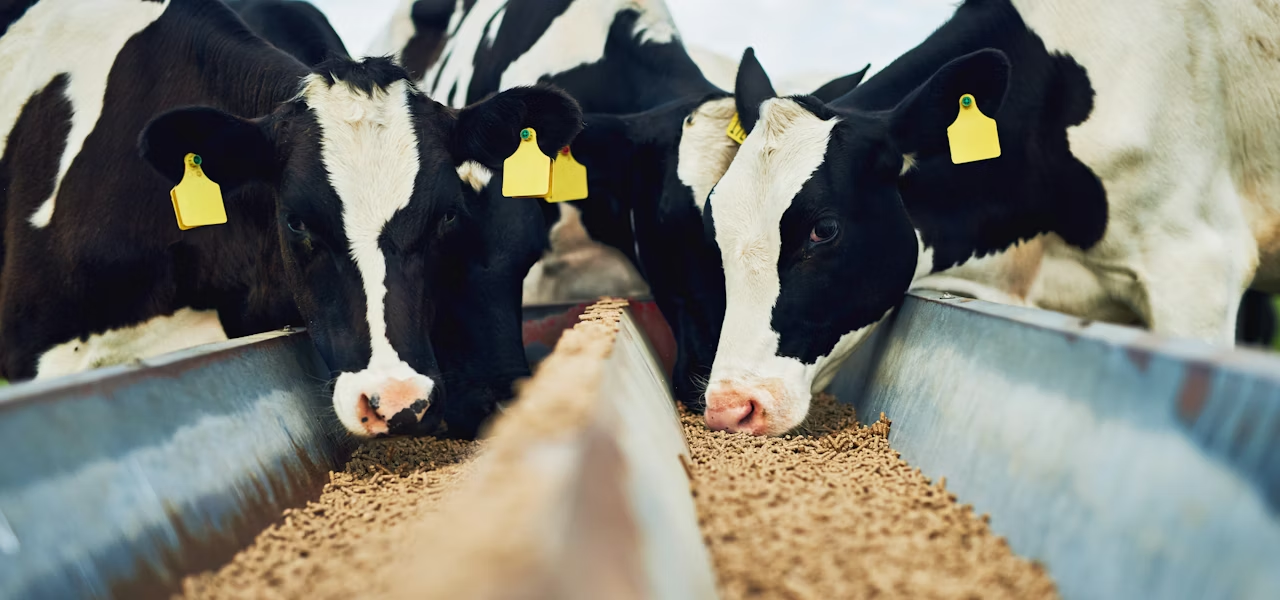
Livestock production releases greenhouse gases at several stages. Cattle and sheep produce methane as part of their digestion. Methane does not remain in the atmosphere as long as carbon dioxide, but it is particularly powerful at trapping heat.
Raising animals also depends on crops such as corn and soy. Growing this feed requires farmland, fertilizers, machinery and, in many cases, irrigation. Manufacturing fertilizer consumes energy, while applying it to fields can release nitrous oxide, another powerful greenhouse gas.
Manure creates an additional source of emissions. The amount and type of gas released depend partly on how it is collected, stored and treated. Processing meat, keeping it refrigerated, packaging it and moving it through the supply chain also require energy.
Transportation is easy to see, which is why locally produced food often feels like the obvious environmental choice. However, for higher-impact meats such as beef and lamb, much of the climate burden usually arises before the product leaves the farm. A shorter journey may help, but it does not remove the methane, feed and land demands of production.
Why the Type of Meat Matters
Beef and lamb generally have a larger climate footprint than pork or chicken. Cattle and sheep are ruminants, meaning that microbes in their digestive systems break down tough plant material and produce methane in the process. These animals also commonly require extensive grazing areas or large quantities of cultivated feed.
Pigs and chickens do not generate methane through digestion in the same way. They usually grow more quickly and convert feed into edible meat more efficiently, so their emissions per serving or unit of protein are often lower.
Lower, however, does not mean impact-free. Poultry and pig farming still depend heavily on feed crops, energy and water. Large concentrations of animals also produce substantial quantities of manure, which can pollute surrounding areas when poorly managed.
Production methods create variation within every category. Beef connected to forest clearance may have a very different footprint from beef raised on existing pasture. Two chicken farms may also differ considerably in their feed sources, energy use and waste systems. The type of meat offers a useful first clue, but it never tells the entire story.
But greenhouse gas emissions are only one part of meat’s environmental story. A farming system can affect ecosystems even when its carbon footprint appears relatively modest, so land, wildlife, water and air must also be considered.
Land Use and Biodiversity
Livestock uses land directly for grazing and indirectly for growing animal feed. When forests, grasslands or wetlands are cleared for either purpose, wildlife loses habitat and stored carbon may be released from vegetation and soil.
Expanding agriculture can also divide natural habitats into smaller fragments, making it more difficult for species to feed, migrate and reproduce. Large areas planted with a single feed crop may support far less ecological variety than the landscapes they replace.
Not all grazing land could easily be used to grow food for people, and carefully managed animals can have a role in certain ecosystems. Nevertheless, the total land requirement of animal agriculture is substantial. Reducing demand for the most land-intensive meats can help ease pressure to convert additional natural areas.
Water, Air and Waste
The water footprint of meat extends beyond what animals drink. Water may also be required to irrigate feed crops, clean buildings and process products. The importance of this water use depends strongly on location: drawing water in a wet region is not equivalent to using it in an area already experiencing scarcity.
Fertilizer and manure can carry nitrogen and phosphorus into rivers, lakes and coastal waters. Excess nutrients encourage algal growth, which may reduce oxygen levels and damage aquatic ecosystems. Contamination can also make water more difficult and expensive to treat.
Livestock operations may affect local air quality as well. Manure and fertilizers can release ammonia, which contributes to fine-particle pollution after reacting with other substances in the atmosphere. Odors and airborne pollutants may place a particular burden on communities living close to intensive farms.
Routine or poorly controlled antibiotic use introduces another concern. Antibiotics are important for treating sick animals, but unnecessary use can encourage resistant bacteria to survive and spread. Agriculture is not the only cause of antimicrobial resistance, yet responsible livestock practices are an important part of addressing it.
Are Grass-Fed and Regenerative Meats Better?
Labels such as “grass-fed,” “pasture-raised” and “regenerative” can describe very different farming systems. In some settings, carefully managed grazing may support grassland habitats, improve soil structure, reduce erosion or help retain carbon in the soil. Animals may also make productive use of land that is unsuitable for growing crops for human consumption.
These potential benefits deserve attention, but they do not make every pasture-based product automatically low-impact. Cattle and sheep continue to release methane, and animals that grow more slowly may produce emissions for longer before reaching the market. Grazing systems can also require more land than intensive production.
Claims about soil carbon require similar care. Some soils can store additional carbon under improved management, but the amount varies with the climate, soil type and previous land use. Gains may slow as the soil reaches a new balance, and stored carbon can be released again if management changes or the land is disturbed.
A regenerative farm may provide genuine benefits for its local landscape without fully balancing the climate impact of its animals. The most reliable assessment therefore looks beyond a single label and considers what is actually happening on the farm.
Still, people do not make food choices on environmental grounds alone. Meat also has nutritional, cultural and practical roles, so any realistic discussion must consider what will replace it.
Does a Healthy Diet Require Meat?
Meat provides complete protein and can be a convenient source of iron, zinc and vitamin B12. These nutrients are important, but meat is not the only way to obtain most of them.
Beans, lentils, peas, tofu, tempeh, nuts, seeds and whole grains can all contribute meaningful amounts of protein. They also provide dietary fiber, which meat does not contain. Increasing the number and variety of plant foods in the diet can support digestive health and provide nourishment for beneficial gut microbes.
A carefully planned vegetarian or vegan diet can be nutritious, but removing all animal foods requires greater attention to certain nutrients. Vitamin B12 is especially important because reliable natural plant sources are limited. Iron, iodine, calcium, omega-3 fats and total protein intake may also require thoughtful planning, depending on the foods included.
The decision does not have to be between eating meat at every meal and avoiding it completely. Many people can reduce the environmental footprint of their diet through a flexible approach that retains some animal foods while giving plants a larger place on the plate.
The most useful changes are therefore the ones that reduce higher-impact foods while remaining affordable, enjoyable and easy enough to maintain.
Practical Ways to Reduce Your Impact
Start With Beef and Lamb
Replacing some beef or lamb meals usually makes a greater difference than focusing first on meats with lower emissions. Try lentils in a stew, beans in chili, tofu in a stir-fry or chickpeas in a curry.
Chicken, eggs or responsibly sourced fish may have a lower climate impact than beef or lamb in some circumstances, but they are not impact-free. Plant proteins generally offer the clearest way to reduce the footprint of a meal.
Use Meat as an Ingredient
A dish does not have to become completely meat-free. Reduce the meat portion and add mushrooms, lentils, beans, vegetables or whole grains. This preserves familiar flavors while increasing fiber and helping the meal feed more people.
For example, lentils can replace part of the meat in a pasta sauce, beans can add substance to a stew, and mushrooms or tofu can take the place of some meat in a stir-fry.
Find Plant-Based Meals You Enjoy
Long-term habits rarely grow from meals that feel like punishment. Experiment with dishes already designed around plants, such as bean soups, lentil curries, falafel, tofu noodles, vegetable chili or peanut and sweet potato stew.
Building a small collection of satisfying recipes is often more effective than trying to transform every familiar meal at once.
Think Beyond Meat Substitutes
Plant-based meat alternatives can be convenient and may have a smaller environmental footprint than the animal products they replace. However, they vary widely in their salt, saturated fat and nutritional value.
They can be useful occasionally, but beans, lentils, tofu, tempeh, nuts and seeds provide dependable foundations for everyday meals.
Reduce Food Waste
Discarded meat wastes all the land, feed, water and energy used to produce it. Plan portions, refrigerate leftovers promptly, freeze food before it spoils and use older ingredients first.
Keeping flexible ingredients such as frozen vegetables and canned beans at home can also make it easier to use leftovers rather than discard them. Reducing waste is valuable regardless of whether someone follows an omnivorous, vegetarian or vegan diet.
Consider Dairy Products
Dairy products also come from ruminant animals and can carry a meaningful environmental cost, particularly when consumed in large amounts. Progress does not require eliminating dairy completely.
Possible changes include using smaller quantities of cheese, varying breakfast and snack choices, or trying plant-based alternatives that fit your nutritional needs and preferences.
Summary
Meat affects the environment through methane and other greenhouse gases, feed production, land use, water pollution, air pollution and waste. Beef and lamb generally have the greatest climate impact, while pork and chicken are often lower but still carry environmental costs.
Grass-fed and regenerative systems may provide benefits in particular places, but no label guarantees a small footprint. Their overall impact depends on land requirements, methane emissions, soil conditions and actual farming practices.
For most people, the clearest practical steps are to eat less beef and lamb, use smaller quantities of meat, enjoy more beans and other plant proteins, and waste less food.
Perfection is not required. Repeated, manageable changes across many meals can matter more than a strict rule that is followed only briefly.
Frequently Asked Questions
Is All Meat Equally Harmful to the Climate?
No. Beef and lamb generally have larger climate footprints because cattle and sheep produce methane and often require more land. Pork and chicken are commonly lower-impact, although their feed and manure still create environmental problems.
Is Locally Produced Meat Always Greener?
Not necessarily. Transportation is only one part of a product’s footprint. For beef and lamb in particular, what happens during farming often matters more than the distance travelled.
Does Grass-Fed Beef Solve the Problem?
Not automatically. Well-managed grazing may support soil health or biodiversity in some locations, but cattle still release methane and pasture can require considerable land. The outcome depends on the individual farm and landscape.
Must I Become Vegetarian to Make a Difference?
No. Reducing the frequency or portion size of higher-impact meat can lower the footprint of your diet. Partial changes are meaningful, particularly when they develop into lasting habits.
What Can Replace Meat?
Beans, lentils, peas, tofu, tempeh, nuts and seeds are versatile options. Eating a variety of plant foods throughout the day can provide protein, fiber and a broad range of nutrients.
What Is the Easiest Place to Begin?
Choose one regular beef or lamb meal and replace part or all of the meat with a plant protein you already enjoy. Once that feels routine, make the same change to another meal.