

Recent Posts










Amsterdam is compact enough to feel approachable in a weekend, yet layered enough to make every hour interesting. Within a short walk, you can move from grand 17th-century canal houses to tiny independent shops, internationally important museums, quiet courtyards, lively markets, and waterside cafés. Two days will not reveal every neighborhood, but they are enough to understand why the city leaves such a strong impression.
The best short visit balances famous sights with unstructured time. That means booking the difficult tickets before you arrive, grouping attractions by neighborhood, and resisting the urge to cross the city for every promising café or photo spot. This itinerary follows that approach. Day one concentrates on the historic canal belt, the Anne Frank House, the Jordaan, and central Amsterdam. Day two turns toward art, green space, local food, and a final view across the IJ.
The schedule is full but realistic for travelers who enjoy walking. It also includes places where you can shorten the route, add a museum, or slow down when the weather is good. Use the times as anchors rather than strict appointments—with the exception of timed museum tickets, which should shape the rest of your day.
Is Two Days in Amsterdam Enough?
Two days is enough for a rewarding first visit if you accept that you are seeing a carefully chosen version of Amsterdam, not the whole city. You can visit the Anne Frank House, see masterpieces at the Rijksmuseum, choose a second major museum, cruise the canals, wander through the Jordaan and the Nine Streets, relax in Vondelpark, and still make room for a market or a sunset viewpoint.
What you probably cannot do comfortably is add several day trips, tour every major museum, and explore the outer neighborhoods at a relaxed pace. Keukenhof, Haarlem, Zaanse Schans, and Utrecht are all tempting, but each one takes time away from Amsterdam itself. If this is your first visit, it usually makes sense to stay in the city for both days unless tulip season is the main reason for your trip.
Three or four days would give you more room for smaller museums, slow breakfasts, residential areas, and spontaneous detours. Still, a well-planned 48-hour itinerary can feel satisfying rather than rushed.
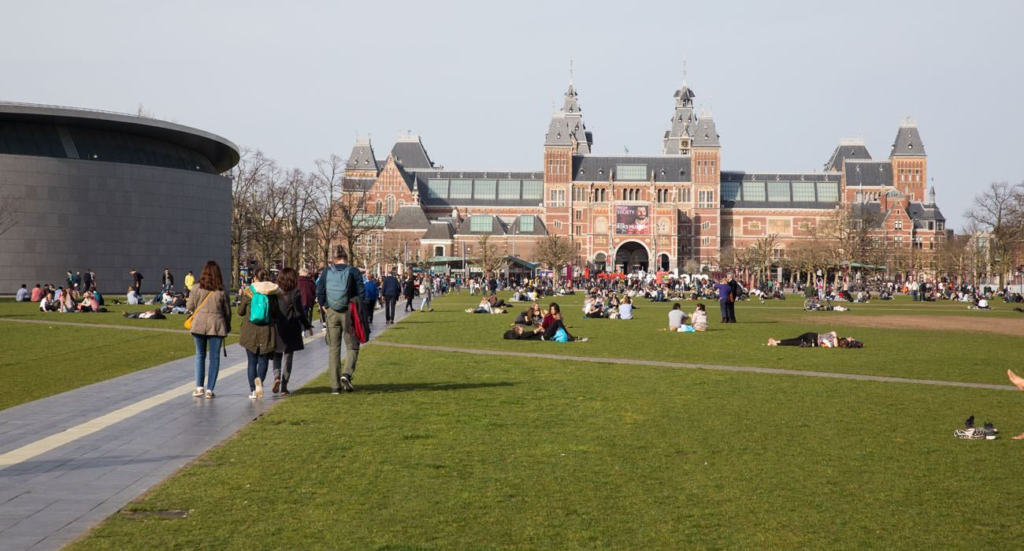
Rijksmuseum
Amsterdam in Two Days: Quick Plan
Day 1: History, Canals, and the Old City
- Anne Frank House
- Jordaan and Noordermarkt
- Lunch in the western canal belt
- The Nine Streets
- Canal cruise
- Begijnhof and Dam Square
- Dinner in the Jordaan or De Pijp
Day 2: Art, Parks, and City Views
- Rijksmuseum
- Van Gogh Museum or Stedelijk Museum
- Lunch near Museumplein
- Vondelpark
- Albert Cuyp Market and De Pijp
- Free ferry across the IJ
- A’DAM Lookout or a relaxed waterfront evening
What to Reserve Before You Arrive
Amsterdam rewards advance planning. The most important reservation is the Anne Frank House. Tickets are sold only online for a specific time. According to the official ticket page, a new date becomes available every Tuesday at 10:00 a.m. Central European Time for visits six weeks later. Popular dates can disappear quickly, so set a reminder and book as soon as your day opens.
The Van Gogh Museum also uses timed admission, and every visitor needs a ticket. Its official ticket system notes that tickets are valid only for the selected date and time and are non-refundable. The Rijksmuseum is sometimes easier to book, but a timed start is still the safest choice, especially during spring, summer, weekends, and school holidays.
Reserve these in order:
- Anne Frank House
- Van Gogh Museum, if it is part of your plan
- Rijksmuseum
- A small-group or evening canal cruise
- A special dinner reservation
If the Anne Frank House is sold out, do not buy suspicious tickets from unofficial sellers. Admission is personal and controlled through the museum’s own system. A historical walking tour can provide context about Jewish Amsterdam and the Second World War, but it does not include entry to the house.
Day 1: The Canal Belt and Historic Amsterdam
8:00 a.m. — Breakfast Near the Western Canals
Begin near the Jordaan or the western side of the canal ring. This puts you close to the first major stop and avoids spending the morning commuting across the city. Choose a light breakfast if you plan to have a traditional Dutch pancake or a long lunch later. Coffee, bread, cheese, yogurt, and pastries are easy to find throughout this part of Amsterdam.
Give yourself extra time to arrive at the Anne Frank House. The surrounding streets are beautiful, but they can become crowded, and bicycle traffic requires more attention than many first-time visitors expect. The entrance is at Westermarkt, around the corner from the historic canal-house façade.
9:00 a.m. — Anne Frank House
The Anne Frank House is not a conventional museum stop. Visitors move through the former business premises and the hidden annex where Anne Frank, her family, and four other people lived in hiding during the Nazi occupation. The preserved rooms, original details, personal objects, and diary-related exhibits make the history immediate in a way that a general exhibition cannot.
Allow about 75 to 90 minutes. The visit can be emotionally heavy, so avoid scheduling another timed attraction immediately afterward. Photography is restricted inside, and the building contains steep stairs and narrow spaces. Travelers with limited mobility should review the museum’s accessibility information in advance.
As of September 2026, the museum lists regular daily hours of 9:00 a.m. to 10:00 p.m., with exceptions on certain dates. Adult admission is listed at €16.50 including the booking fee. Always check the official website again before publishing or traveling, because opening hours and prices can change.
After the quiet intensity of the museum, the Jordaan offers a welcome change of rhythm. Instead of rushing toward another landmark, walk north along Prinsengracht and turn into the smaller streets between the canals. The neighborhood is now known for attractive houses, galleries, specialty shops, cafés, and restaurants, but traces of its working-class past remain in its narrow layout and intimate scale.
10:45 a.m. — Jordaan and Noordermarkt
Let the next hour be flexible. Walk past Westerkerk, cross small bridges, and follow whichever canal looks most inviting. On Saturdays, Noordermarkt hosts a popular market with food and organic products; on Mondays, the area is associated with a flea market. Market schedules can change, so confirm the day before if this is important to you.
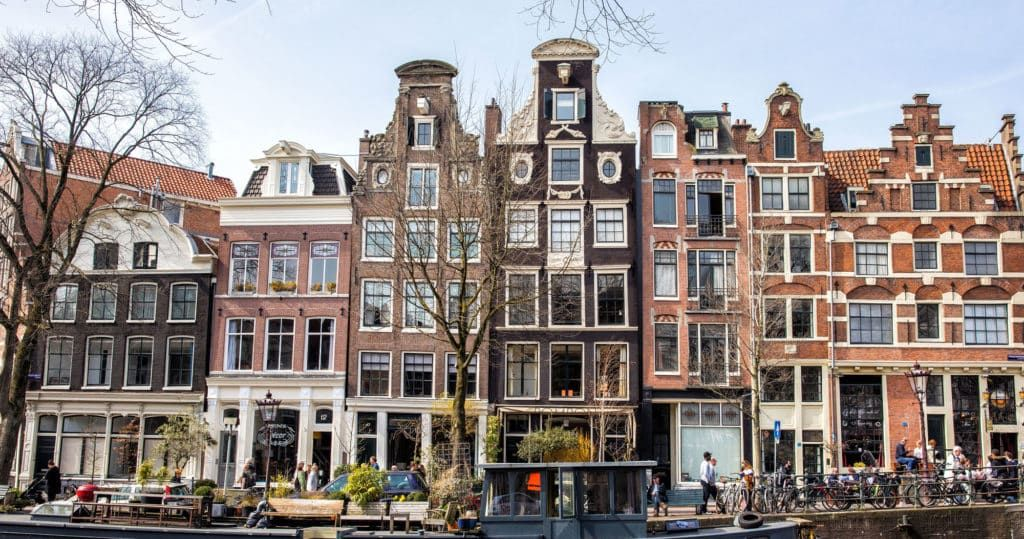
Look for the quieter side streets around Bloemgracht and Egelantiersgracht. These canals are less monumental than Herengracht but often feel more personal. Window boxes, bicycles, stoops, and reflections in the water provide the visual character people imagine when they think of Amsterdam.
This is also a good area for a short food stop. Try a warm stroopwafel, apple pie, cheese, herring if you enjoy it, or a simple bakery snack. Save room for lunch, because the afternoon includes plenty of walking.
12:15 p.m. — Lunch in the Jordaan
Choose a place close to the route rather than crossing town for a famous restaurant. A Dutch-style lunch can be as simple as soup with bread, an open sandwich, or a selection of smaller plates. If the weather is dry, a canal-side table is appealing, but indoor seating is often faster and warmer.
For a short trip, reservation strategy matters more than chasing a particular name. Book ahead for a highly rated restaurant, or keep two or three nearby options saved on your map. Amsterdam’s compact center makes alternatives easy to reach, but popular dining rooms can fill quickly at noon on weekends.
1:30 p.m. — Browse the Nine Streets
The Nine Streets, or De Negen Straatjes, form a small grid across the western canal belt between the Singel and Prinsengracht. The area is known for independent fashion, vintage stores, design shops, galleries, cafés, and photogenic canal crossings. It is pleasant even if you do not intend to shop.
Rather than trying to tick off all nine street names, move slowly from bridge to bridge. The best views often appear at the intersections, where several canal façades line up in perspective. Keep to the pavement, watch for bicycles before stepping into the street, and avoid standing in cycle lanes for photos.
Allow 60 to 90 minutes. If shopping is a priority, stay longer and move the canal cruise later. If it rains, this part of the day works well because you can alternate between shops, cafés, and short outdoor walks.
3:15 p.m. — Take a Canal Cruise
Seeing Amsterdam from the water explains the city’s layout better than any map. From a boat, the curve of the canal belt becomes clear, as do the unusual proportions of the merchant houses, the low bridges, the houseboats, and the relationship between the old center and the harbor.
Most standard cruises last around one hour, while smaller open-boat trips may run longer and feel more conversational. Large covered boats are useful in cold or rainy weather. Open boats offer better photographs and a more relaxed atmosphere when conditions are good. Evening cruises add reflected lights, while daytime trips make the architecture easier to see.
Departure points are scattered around Centraal Station, the Anne Frank House, Leidseplein, and other central locations. Choose a departure that fits your walking route instead of selecting only by price. Small boats and sunset sailings should be reserved in advance during busy periods.
4:45 p.m. — Begijnhof and the Medieval Center
After the cruise, walk toward the Begijnhof, a historic courtyard hidden behind an entrance near Spui. The space once housed a Catholic sisterhood and remains residential, so visitors should speak quietly and respect any access rules posted at the entrance. Opening conditions can vary, and the courtyard may close for private or religious reasons.
From Spui, continue north through the center. You can pass the Amsterdam Museum area, follow Kalverstraat briefly, or take smaller parallel lanes to Dam Square. This section contrasts with the serene canal belt: it is busier, more commercial, and more obviously shaped by mass tourism.
5:30 p.m. — Dam Square and the Royal Palace Exterior
Dam Square is rarely the most charming place in Amsterdam, but it is historically central and worth seeing once. The Royal Palace dominates one side of the square, while the Nieuwe Kerk stands nearby. Street performers, tour groups, shoppers, and trams create a constant sense of movement.
Keep this stop brief unless you plan to enter the Royal Palace. Watch your belongings in crowded areas, then leave the busiest streets for a more relaxed evening. If you still have energy, walk through the ornate passage connecting Damrak and Nieuwendijk, or continue toward the old harbor and the exterior of the Oude Kerk.
7:00 p.m. — Dinner and an Evening Canal Walk
For dinner, return to the Jordaan for a cozy neighborhood atmosphere, or take a tram to De Pijp for a wider mix of restaurants. Amsterdam’s food scene is international, and Indonesian cuisine is particularly significant because of the historical relationship between the Netherlands and Indonesia. A rijsttafel is ideal for sharing but often requires a reservation and more time than a quick meal.
End the evening with a short canal walk. The western canals become quieter after shops close, and the illuminated bridges reflect beautifully in the water. If you prefer nightlife, Leidseplein and Rembrandtplein offer busy bars and clubs, while smaller brown cafés provide a more traditional, low-key experience.
Day 2: Museums, Parks, and Amsterdam Noord
The second day shifts away from the narrow streets of old Amsterdam and begins at Museumplein, where several of the city’s most important cultural institutions stand within minutes of one another. Starting early gives you calmer galleries, more room around major works, and enough afternoon left for a park, a market, and the waterfront.
8:30 a.m. — Arrive at Museumplein
Have breakfast near your hotel or pick up coffee on the way. Aim to reach Museumplein 15 to 20 minutes before your entry time. The open lawn between the museums is useful for orienting yourself, and the architecture makes an impressive introduction before the doors open.
If you are staying in the canal ring, walking may take 20 to 35 minutes. Trams are the easier choice in poor weather. Do not rent a bicycle solely to reach the museums unless you already feel confident with Amsterdam traffic and parking rules.
9:00 a.m. — Rijksmuseum
The Rijksmuseum covers roughly 800 years of Dutch art and history. Its collection is far larger than a two-hour visit can absorb, so choose a focused route. Most first-time visitors begin with the Gallery of Honour and the best-known works by Rembrandt, Vermeer, Frans Hals, and Jan Steen.
The Night Watch is the central attraction, but the museum offers much more than a single painting. Decorative arts, ship models, Delftware, weapons, historical objects, and elaborate dollhouses help connect the art to the society that produced it. The Cuypers Library is also worth a short detour when accessible.
Plan 90 minutes to two and a half hours depending on your interest. The official Rijksmuseum site currently lists daily opening from 9:00 a.m. to 5:00 p.m., adult admission at €25, and free entry for visitors aged 18 and under. Timed booking is recommended even for cardholders.
11:15 a.m. — Choose a Second Museum
You now have a choice. Art lovers can continue to the Van Gogh Museum, while travelers who prefer modern and contemporary work can visit the Stedelijk Museum. Anyone already experiencing museum fatigue should skip both and spend more time outdoors.
Option 1: Van Gogh Museum
The Van Gogh Museum holds the world’s largest collection of works by Vincent van Gogh. Its chronological presentation connects his paintings and drawings to the changes in his technique, color, surroundings, and mental health. The result feels partly like an art museum and partly like a biography.
Allow 75 to 90 minutes for a focused visit. Tickets are timed, and the official booking system currently lists adult admission at €25 and free admission for visitors under 18. Reserve well ahead in busy months. Even Museumkaart holders need a time slot.
Option 2: Stedelijk Museum
The Stedelijk is the better choice for modern art, design, and contemporary culture. Its collection and exhibitions can include work connected to movements such as De Stijl, Bauhaus, abstract expressionism, pop art, and postwar design. Because the experience depends partly on temporary exhibitions, check the current program before deciding.
Option 3: Skip the Second Museum
There is no prize for spending the entire morning indoors. If one major museum is enough, walk around Museumplein, have an early lunch, and extend the Vondelpark or De Pijp sections. This option makes the itinerary feel significantly more relaxed.
1:00 p.m. — Lunch Near Museumplein
Restaurants directly beside major museums are convenient but can be crowded. Walk toward Van Baerlestraat, the edge of Vondelpark, or De Pijp for more choice. Keep lunch to about an hour if you want to complete the full afternoon route.
This is a good time to review the weather. If rain is moving in, visit the market first and save the park for a clearer window. If the sun is out, go directly to Vondelpark and let the afternoon unfold at a slower pace.
By early afternoon, even enthusiastic museum visitors usually need fresh air. Vondelpark provides the reset: broad paths, ponds, lawns, trees, cafés, runners, cyclists, and local families replace quiet galleries and timed entrances. The park is not a checklist attraction; its value comes from slowing down.
2:00 p.m. — Vondelpark
Enter from the side nearest Museumplein and walk a relaxed loop for 30 to 60 minutes. In warm weather, the lawns become social spaces. In spring, new leaves and flowers brighten the paths; in autumn, the trees add color; in winter, the park is quieter and more atmospheric.
Keep to pedestrian areas and stay aware when paths intersect with cycle routes. Stop for coffee if you want a longer break, but do not feel obliged to cross the entire park. The eastern half is easiest to combine with the next destination.
3:15 p.m. — Albert Cuyp Market and De Pijp
Walk or take a tram toward De Pijp, a lively neighborhood south of the canal belt. Albert Cuyp Market is one of Amsterdam’s best-known street markets, with stalls selling produce, clothing, household goods, cheese, seafood, sweets, and ready-to-eat snacks. It is generally associated with daytime opening from Monday through Saturday, but confirm current hours before visiting.
This is a convenient place to try Dutch street food. Depending on your taste, look for a freshly made stroopwafel, fries with sauce, kibbeling, herring, poffertjes, or cheese. The goal is not to eat everything; choose one or two snacks and keep moving.
Beyond the market, De Pijp offers cafés, restaurants, and a more everyday urban atmosphere than the historic center. If you prefer a neighborhood break over a formal attraction, spend an hour here and skip the late-afternoon museum option.
4:45 p.m. — Return Toward Centraal Station
Take a tram or metro toward the center. If you missed Dam Square on day one, you can stop briefly now. Otherwise, continue to Centraal Station and walk through the building toward the ferries at the rear.
The ferry across the IJ to Buiksloterweg is free and takes only a few minutes. Bikes, scooters, commuters, and visitors all share the crossing, so follow the boarding flow and stand clear of the cycle lanes when the ferry arrives.
5:30 p.m. — Amsterdam Noord and a Final View
On the north side of the IJ, you can choose between a paid observation deck and a simple waterfront evening. A’DAM Lookout provides elevated views over the historic center, harbor, and expanding northern districts. Timed tickets are useful in busy periods, particularly around sunset. The rooftop swing costs extra and is optional.
For a lower-key alternative, remain near the water, have a drink, and watch ferries move across the river. You can also return to the city side and visit the upper terrace of the public library when access and hours allow. The view is not identical, but it offers a sense of Amsterdam’s relationship with the water without adding another expensive attraction.
7:00 p.m. — Farewell Dinner
Finish in Noord if you enjoy contemporary spaces and waterfront restaurants, or take the ferry back to the center for dinner near Nieuwmarkt, the canal belt, or your hotel. Keep the final evening uncomplicated. After two active days, a comfortable restaurant close to where you are staying is often more enjoyable than another long journey for a fashionable reservation.
If the weather is clear, take one last canal walk after dinner. If it is cold or wet, choose a brown café and end the trip with a local beer, tea, or jenever.
Which Amsterdam Museum Should You Prioritize?
If you can visit only one major art museum, choose according to interest rather than reputation.
- Choose the Rijksmuseum for Dutch history, Golden Age painting, decorative arts, and a broad national collection.
- Choose the Van Gogh Museum for a focused, chronological story centered on one artist’s life and development.
- Choose the Stedelijk Museum for modern art, contemporary exhibitions, and design.
For many first-time visitors, the Rijksmuseum offers the most complete introduction to Dutch art and history. The Van Gogh Museum is more compact and emotionally direct. Visiting both on the same morning is possible, but it is not essential. If you prefer streets, food, and neighborhoods to galleries, one museum is enough.
A Spring Alternative: Add Keukenhof
Keukenhof is a seasonal flower garden outside Amsterdam, not a year-round attraction. The official Keukenhof site lists the 2027 season from March 18 through May 9. Dates change annually, and tickets and transport should be checked before travel.
Fitting Keukenhof into a two-day trip requires a tradeoff. The cleanest option is to replace most of day two’s museum-and-park schedule with a half-day garden excursion. Keep either the Rijksmuseum early in the morning or the late-afternoon Amsterdam Noord section, but do not try to retain everything.
A workable spring variation looks like this:
- Early morning: Rijksmuseum or a brief canal walk
- Late morning to mid-afternoon: Keukenhof, including transport
- Late afternoon: return to Amsterdam
- Evening: canal cruise, De Pijp, or Amsterdam Noord
Reserve a timed Keukenhof ticket and decide on transportation in advance. Direct shuttle arrangements and public-transport combinations may change from one season to the next. On peak bloom weekends, allow extra time for crowds and traffic.
Keukenhof is worthwhile if flowers are a central reason for your trip. If not, remain in Amsterdam. The city itself provides more than enough for two days, and spring weather is never guaranteed.
Getting Around Amsterdam
Walking is the foundation of this itinerary. Most of the historic center is compact, and traveling on foot allows you to notice façades, bridges, courtyards, and shops that disappear when you move too quickly.
Trams are useful for connections between Museumplein, De Pijp, the canal belt, and Centraal Station. The metro is faster for some longer north-south trips, while buses are more relevant outside the central area. GVB operates much of Amsterdam’s urban transport network.
For 2026, GVB lists a 48-hour multi-day ticket at €16, covering unlimited travel on GVB trams, buses, and metro services during the validity period. Contactless OVpay is another easy option: tap in and out with the same bank card, credit card, or mobile device. Airport trains and many regional services are not covered by a standard city GVB ticket.
Should You Rent a Bike?
You do not need a bicycle for this itinerary. Amsterdam is famous for cycling, but its central bike lanes function as serious transport routes, not sightseeing paths. Local riders move quickly, junctions can be complex, and parking rules matter.
Confident urban cyclists may enjoy renting a bike for part of a day, especially around Vondelpark or quieter neighborhoods. Beginners will usually have a better experience walking and using trams. Never stop in a bike lane, and always look in both directions before crossing one.
From Schiphol Airport
Direct trains connect Schiphol Airport with Amsterdam Centraal and other city stations. Your best arrival station depends on where you are staying; hotels near Museumplein or De Pijp may be more convenient from Amsterdam Zuid with a local connection. Check the live journey planner on the day of travel, especially during engineering works.
Are Amsterdam City Passes Worth It for Two Days?
The answer depends on your exact attractions, not the headline number of inclusions.
The I amsterdam City Card can include many museums, urban public transport, and a canal cruise, but it does not provide admission to the Anne Frank House. The Van Gogh Museum has also required special attention in pass planning at different times, so verify current inclusion and reservation rules before buying.
The Museumkaart is designed primarily for museum access across the Netherlands. Short-term visitors should examine the current temporary-card rules, the number of visits allowed before registration, and whether their chosen museums accept it. Even when admission is included, popular museums may still require a separate time-slot reservation.
For this itinerary, calculate the individual cost of the Anne Frank House, Rijksmuseum, your second museum, a canal cruise, and local transport. Buy a pass only if it saves money after exclusions and booking requirements are considered. Convenience is valuable, but a pass can also encourage you to add attractions simply to justify the price.
Where to Stay for a Two-Day Visit
Location matters more than room size on a short Amsterdam trip. A central hotel reduces transport time and makes early or late walks easier.
Jordaan and the Western Canal Belt
This is the most atmospheric base for the day-one route. You will be close to the Anne Frank House, Nine Streets, independent restaurants, and attractive evening walks. Hotels can be expensive, and historic buildings may have steep stairs or small rooms.
Museum Quarter
Stay here if art museums are your priority or if you prefer a quieter area at night. Museumplein and Vondelpark are convenient, while trams connect the neighborhood to the historic center.
De Pijp
De Pijp works well for restaurants, cafés, market access, and a more residential mood. It is outside the oldest canal belt but remains well connected by tram and metro.
Near Centraal Station
This area is practical for a very short stay, a late arrival, or an early train. It also offers easy access to ferries and canal cruises. The immediate surroundings are busy and tourist-heavy, so look a few streets away if atmosphere matters.
Avoid choosing distant accommodation solely because the nightly price is lower. A long commute at the beginning and end of both days can erase much of the saving.
Best Time to Visit Amsterdam
Spring brings flowers, longer days, and access to Keukenhof, but it also brings high demand. King’s Day on April 27 transforms the city into a huge celebration, with crowds, music, street markets, and transport changes. Visit for the event deliberately rather than being surprised by it.
Summer offers the warmest weather and long evenings, along with busy museums, full terraces, and higher accommodation prices. Reserve everything important well ahead.
September and early October often provide a pleasant balance between comfortable weather and slightly lighter crowds. Later autumn becomes cooler and wetter, but the canals remain beautiful.
Winter is quieter, darker, and often more affordable. Short daylight hours make outdoor wandering less flexible, yet museums and cafés feel especially inviting. Pack waterproof layers in every season; Amsterdam weather changes quickly.
Practical Tips for a Smooth Weekend
- Book timed attractions before choosing restaurant reservations.
- Save every ticket offline in case mobile data is unreliable.
- Wear shoes suitable for cobblestones and a high step count.
- Carry a light waterproof layer even when the forecast looks favorable.
- Watch for bicycles before crossing any lane or street.
- Use luggage storage rather than taking large bags to museums.
- Keep valuables secure in crowded squares, markets, and trams.
- Check official attraction pages again shortly before the trip.
- Leave one flexible hour each day for delays or spontaneous discoveries.
With the major reservations handled, the success of a two-day Amsterdam visit comes down to pace. The city is not best experienced as a race between landmarks. Its character lives in the space between them: a crooked canal house, a quiet bridge, the sound of a tram, bicycles gathered against a railing, and a café table beside the water.
Follow the route closely when a ticket time demands it, then loosen the schedule whenever it does not. If a canal looks especially beautiful, walk another block. If the second museum feels like too much, choose the park. If rain arrives, trade an outdoor hour for a café or gallery. A flexible itinerary will show you more of Amsterdam’s personality than an overloaded checklist ever could.
Frequently Asked Questions
Can I visit both the Rijksmuseum and Van Gogh Museum in one morning?
Yes. They are close together on Museumplein, and a focused visit to each can fit into one morning. Reserve compatible time slots and avoid trying to see every gallery. Travelers who like to read every label should place the museums on separate days or choose only one.
How early should I book the Anne Frank House?
The museum releases tickets six weeks ahead, every Tuesday at 10:00 a.m. Central European Time. Book when your date becomes available, especially for weekends and peak travel months.
Do I need a canal cruise?
No, but it adds a useful perspective on the canal belt and provides a rest between walking sections. If your budget is limited, you can enjoy the canals on foot and use the free ferry across the IJ for a short experience on the water.
Is the Red Light District included?
This route does not make it a central stop. You may pass through De Wallen while exploring the old center, but visit respectfully. Do not photograph sex workers, follow posted rules, and remember that the district is also a residential and historic neighborhood.
Can I take a day trip during a two-day stay?
You can, but it changes the character of the visit. Keukenhof makes sense during its short spring season if flowers are a priority. Haarlem is easy to reach by train, but even a half-day there removes time from Amsterdam’s museums and neighborhoods. Most first-time visitors should keep both days in the city.
How much walking should I expect?
The full itinerary can easily reach 15,000 to 25,000 steps per day, depending on hotel location and detours. Use trams between major zones, shorten park loops, and schedule café breaks if that is more than you prefer.
Is Amsterdam suitable for a weekend without a car?
Absolutely. A car is unnecessary and inconvenient in the center. Walking, trams, metro services, ferries, and trains cover the places in this itinerary.