











GARDENING · FALL PLANTING
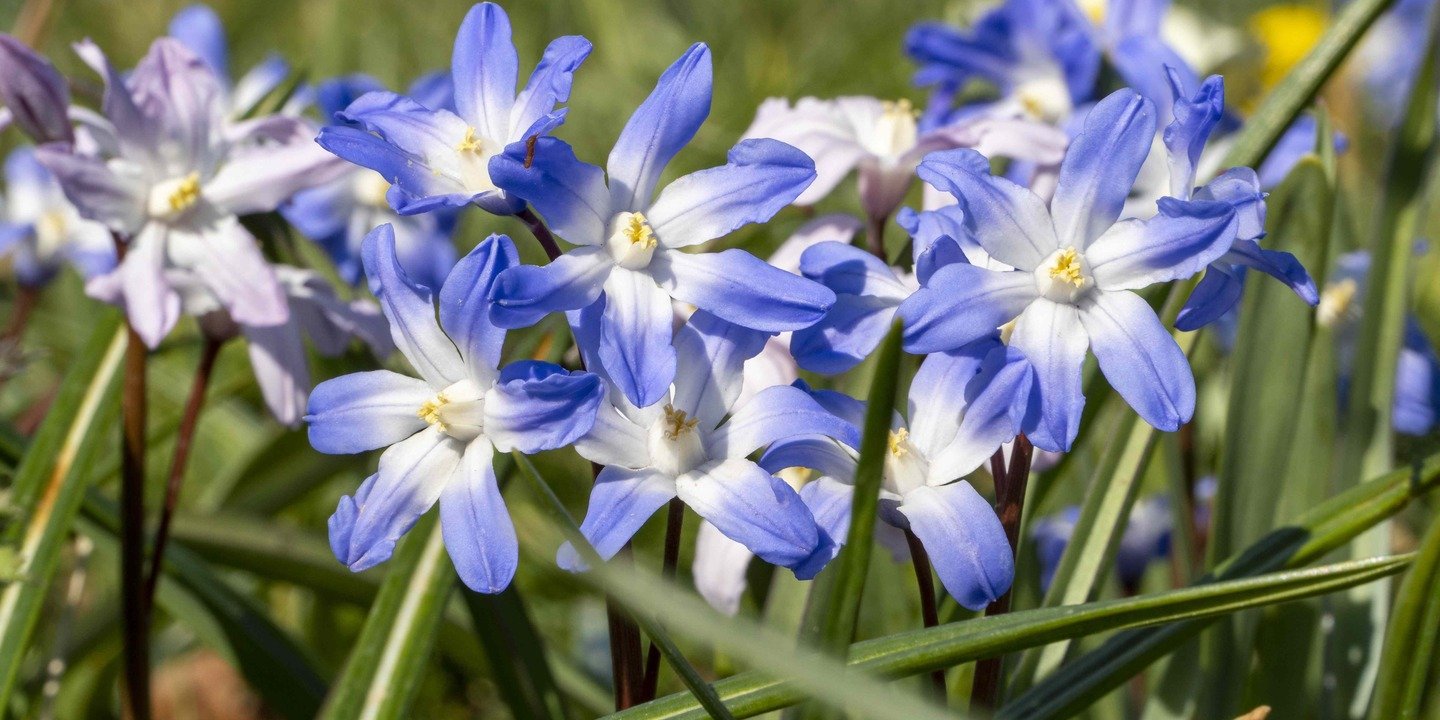
Planting bulbs in concentrated clusters can create a lush, natural-looking spring display with less measuring, fewer holes, and more visual impact.
Fall bulb planting can feel fussy: mark the spacing, dig one hole after another, and hope the arrangement looks generous when spring arrives. Bouquet planting offers a simpler route to the same goal. Instead of distributing flowers evenly across a bed, the method gathers them into groups that bloom like ready-made arrangements. Horticulturist Peggy Anne Montgomery recommends the approach because it lets gardeners picture the display before shoots appear. It is quick enough for beginners, efficient when time is short, and dramatic enough to make a small patch look professionally planned. The payoff comes months later, when a concentrated burst of color rises from one carefully chosen spot.
How Bouquet Planting Works
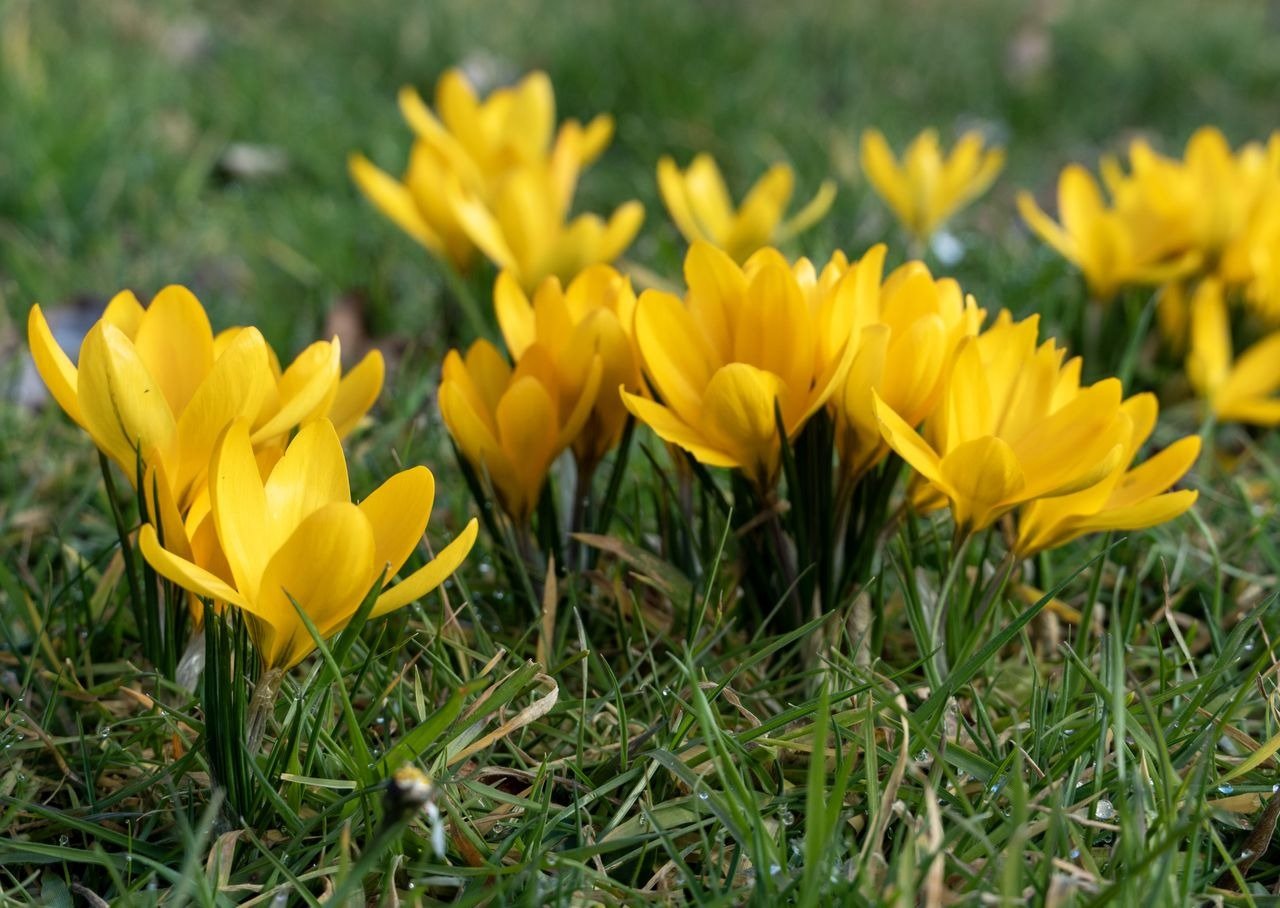
Bouquet planting means setting five to seven bulbs in one broad, deep hole instead of arranging them in a straight line. Tulips, daffodils, and hyacinths are candidates. As the bulbs grow, their stems and flowers emerge together, producing a dense composition rather than isolated dots of color. Gardeners sometimes call this planting in drifts or clumps, language that captures its informal character. Because the flowers sit close together, the display resembles how many plants gather naturally in open landscapes.
Jen Carmichael and Rebecca Paxton describe the effect as collected rather than rigid. Variations in height, color, and texture give the eye layers to explore. That looseness draws from English-garden traditions, where fullness matters more than symmetry. The method can feel deliberate: repeating clusters in borders creates rhythm, while complementary tones keep groups connected. What disappears is the measured appearance that makes beds look sparse.
Why Clusters Create More Impact
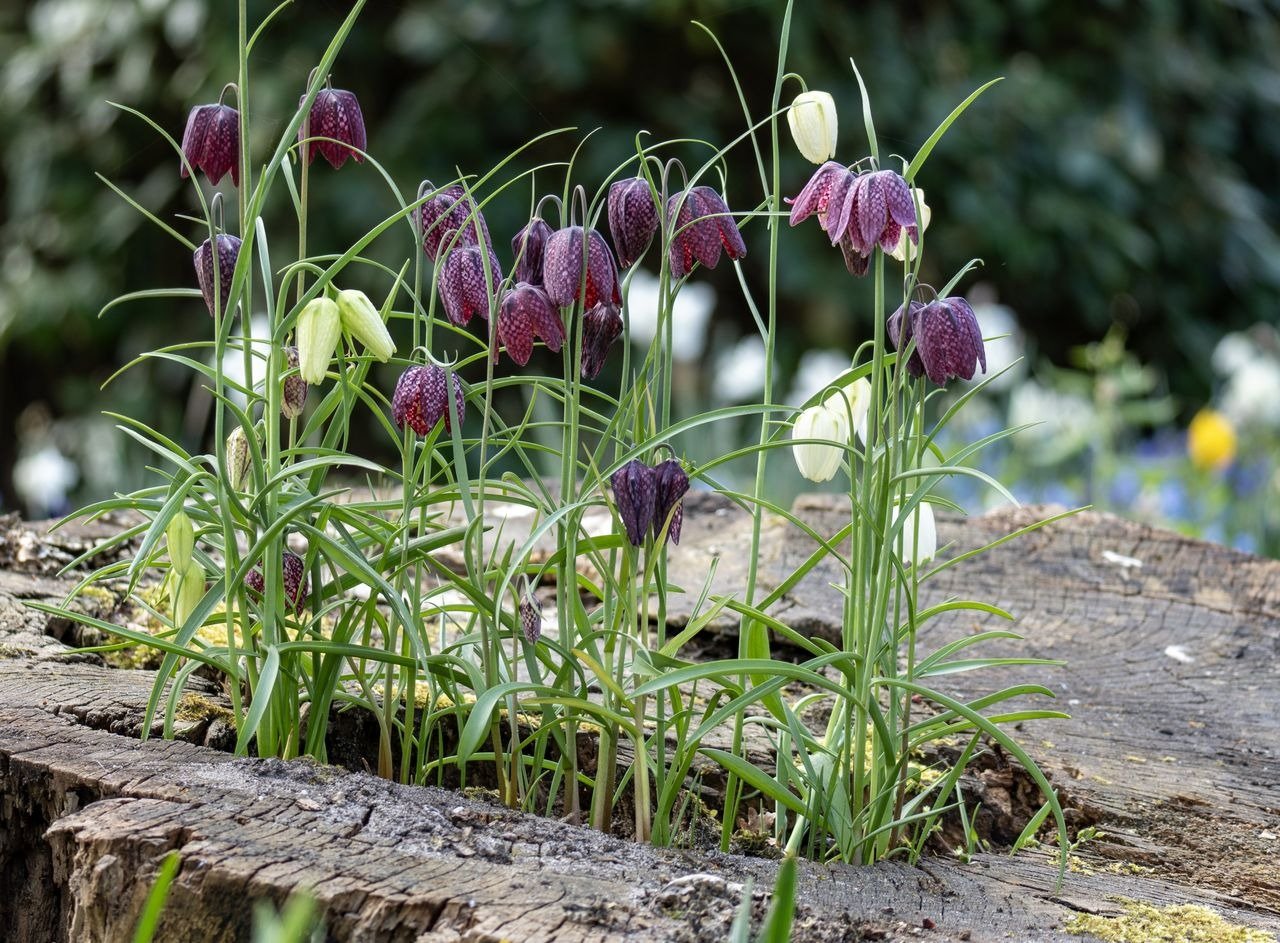
Beyond appearance, clustering makes work easier. Concentrating bulbs in one location reduces the number of holes and removes uncertainty around spacing. Close planting puts more color into less ground, an advantage in yards, narrow borders, and urban gardens. When the bulbs flower, each group becomes a focal point instead of a few blooms scattered across the soil. The result looks abundant and considered without complicated planning, extensive acreage, or hours of measuring.
The Best Time to Plant
October is useful for building layered displays with annuals and perennials. Chrysanthemums, dianthus, pansies, violas, dusty miller, kale, and ornamental cabbage can border shrubs, roses, and trees. Cooler air limits heat stress while sunshine helps plants settle in, encouraging strong roots before winter. Choose a spot, group plants, and let differences in height, leaf shape, and flower color create the bouquet effect.