

Recent Posts










The human gut is far more than a passageway for food. It is a busy biological ecosystem where trillions of microorganisms interact with the food we eat and with many systems throughout the body. Together, these bacteria, fungi, viruses, and other microbes form the gut microbiome.
Scientists now know that the gut microbiome plays a part in digestion, immune function, inflammation, and the production of compounds that communicate with the rest of the body. Researchers are also exploring how these microbes may affect appetite, blood sugar control, fat storage, and body weight.
This does not mean that changing your gut bacteria will automatically make you lose weight. Weight is influenced by many overlapping factors, and the science of the microbiome is still developing. However, taking care of your gut can be a useful part of a balanced, sustainable approach to metabolic health.
What does healthy weight loss look like?
Before trying to lose weight, it is important to consider whether weight loss is appropriate for you. Body mass index can provide a rough starting point, but it does not capture muscle mass, fat distribution, medical history, or individual health needs. A doctor or qualified dietitian can offer more personalized guidance, especially if you have a health condition or a history of disordered eating.
Restrictive diets often promise fast results by removing entire food groups or sharply reducing calories. Although they may lead to short-term weight loss, they can be difficult to maintain. They may also leave people tired, hungry, and more likely to regain weight when the diet ends.
A healthier approach focuses on habits that can be continued over time. This may include eating mostly minimally processed foods, consuming enough protein and fiber, moving regularly, getting adequate sleep, and choosing meals that keep you comfortably satisfied. Improvements in energy, blood sugar, strength, digestion, and overall wellbeing can be meaningful signs of progress even when the number on the scale changes slowly.
How are the gut microbiome and body weight connected?
Studies have found differences between the gut microbiomes of people with obesity and those at a moderate weight. In many cases, obesity is associated with lower microbial diversity or with different proportions of particular bacterial groups. These patterns do not appear in every person, and they do not prove that gut bacteria alone cause weight gain.
The relationship likely works in both directions. What a person eats can reshape the microbiome, while gut microbes can break down components of food and create substances that influence the body. Physical activity, sleep, stress, age, medications, illness, and the surrounding environment may also alter the microbial community.
Animal studies offer clues about cause and effect. In some experiments, mice that received gut microbes from humans with obesity gained more fat than mice that received microbes from lean donors. These findings suggest that the microbiome can influence metabolism under controlled conditions. Still, results in laboratory animals cannot be applied directly to human weight loss, which is much more complex.
Can gut bacteria affect how someone responds to a diet?
Anyone who has tried to change their weight knows that the same eating plan can produce very different results from one person to another. Differences in lifestyle, genetics, hormones, muscle mass, sleep, and health all matter. The microbiome may be another piece of that puzzle.
Researchers have investigated whether the relative amounts of bacterial groups such as Prevotella and Bacteroides are linked with success on particular diets. Some studies suggest that people with a higher ratio of Prevotella to Bacteroides may lose more body fat when following certain fiber-rich or calorie-controlled diets. Other research has identified microbial genes and functions that appear to be associated with better weight-loss responses.
These findings are promising, but they are not yet a reliable way to predict an individual’s results. Microbiome research can reveal associations, but an association is not the same as proof that a specific bacterium directly causes weight loss. Scientists still need larger and more diverse studies to understand which patterns matter, for whom they matter, and under what conditions.
Do probiotics help with weight loss?
Probiotics are live microorganisms that may provide a health benefit when consumed in adequate amounts. They occur naturally in some fermented foods and are also sold as supplements.
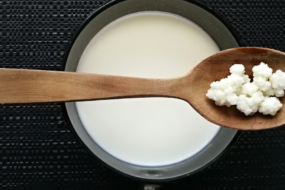
Foods such as yogurt with live cultures, kefir, kimchi, sauerkraut, and certain traditional fermented products can introduce live microbes into the diet. Depending on how they are made and stored, however, not every fermented food contains active probiotic organisms. Some products may also contain a great deal of added sugar or salt, so the overall nutritional profile still matters.
Research into probiotic supplements and weight loss has produced mixed results. A few studies report small changes in body weight or waist size with particular strains, while others find little or no meaningful effect. Different probiotic strains can behave differently, and benefits observed with one strain should not automatically be expected from another.
For now, probiotic supplements should not be viewed as a shortcut to weight loss. Anyone with a weakened immune system, a serious illness, or concerns about interactions should speak with a healthcare professional before taking a new supplement.
Why prebiotic foods matter
Adding beneficial microbes is only one side of gut care. The microbes already living in the colon also need suitable fuel. Prebiotics are compounds—often particular types of dietary fiber—that resist digestion in the upper digestive tract and are then used by gut bacteria.
Prebiotic-rich foods include onions, garlic, leeks, asparagus, oats, beans, lentils, chickpeas, slightly green bananas, mushrooms, and whole grains. When gut bacteria ferment certain fibers, they produce short-chain fatty acids. These compounds help support the cells lining the colon and may be involved in immune and metabolic regulation.
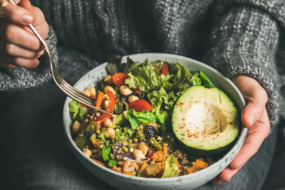
Variety is especially valuable. Different plants provide different fibers and plant compounds, which can nourish different microbial species. Rather than depending on one so-called superfood, aim to rotate vegetables, fruits, legumes, whole grains, nuts, seeds, herbs, and spices across the week.
Increase fiber gradually if your current intake is low. A sudden jump can cause gas, bloating, or discomfort. Drinking enough water and slowly adding new foods gives the digestive system time to adapt. People with irritable bowel syndrome or another digestive condition may need individualized advice because some fermentable fibers can worsen symptoms.
Practical ways to support your gut and your weight
Improving gut health does not require an extreme cleanse or a rigid eating plan. Simple habits practiced consistently are more useful:
- Eat a wider range of plants. Include different colors and types of vegetables, fruits, beans, whole grains, nuts, seeds, herbs, and spices.
- Choose fiber-rich carbohydrates. Oats, barley, brown rice, beans, and other minimally processed sources generally feed the microbiome better than refined alternatives.
- Try fermented foods regularly. Start with small portions of unsweetened yogurt, kefir, kimchi, or sauerkraut if you tolerate them.
- Limit heavily processed foods. Diets dominated by low-fiber, highly processed products may crowd out foods that support microbial diversity.
- Move your body. Regular physical activity benefits metabolic health and may also be associated with a more diverse microbiome.
- Protect your sleep. Inadequate sleep can affect appetite, food choices, blood sugar regulation, and weight-management efforts.
- Avoid unnecessary antibiotics. Antibiotics can be lifesaving, but they also disrupt gut bacteria. Use them only as prescribed and never stop a prescribed course without medical advice.
The bottom line
Gut health and body weight are connected, but the relationship is not simple. People with obesity often show different microbial patterns from people at a moderate weight, and the microbiome may partly influence how the body processes food or responds to a diet. At the same time, diet and lifestyle continuously shape the microbiome.
There is no single “weight-loss bacterium,” and neither fermented foods nor probiotic supplements can replace a balanced diet and sustainable habits. The most practical strategy is to support the whole ecosystem: eat a diverse range of plants, include fiber-rich foods, consider fermented foods you enjoy, remain physically active, and prioritize sleep.
These habits may help create a healthier gut environment while also supporting appetite control, metabolic health, and long-term weight management. The goal is not to force the microbiome into one supposedly perfect pattern, but to build an eating style that is varied, nourishing, and realistic for your life.
Frequently asked questions
What are possible signs of poor gut health?
Frequent bloating, constipation, diarrhea, abdominal discomfort, or major changes in bowel habits can indicate that something is affecting the digestive system. Fatigue, mood changes, and skin problems are sometimes discussed in relation to gut health, but these symptoms have many possible causes. Persistent, severe, or unexplained symptoms should be assessed by a healthcare professional.
Will improving my gut health make me lose weight?
Not necessarily. Better gut health may support digestion and metabolic wellbeing, and certain microbial patterns have been associated with weight-management outcomes. However, no microbiome change guarantees weight loss. Total diet, activity, sleep, stress, hormones, medical conditions, medications, and genetics all contribute.
How quickly can the gut microbiome change?
The microbiome can begin responding to major dietary changes within days, but quick changes are not the same as lasting improvements. Long-term habits are more important than a brief cleanse, detox, or supplement routine. A varied, fiber-rich diet followed consistently gives the gut ecosystem ongoing support.
Is there one best diet for gut health and weight loss?
There is no single plan that works equally well for everyone. Diets built around minimally processed foods, varied plants, adequate protein, and plenty of fiber are generally supportive, but individual tolerance and health needs differ. The best approach is one that meets your nutritional needs and can be maintained without excessive restriction.