

Recent Posts










Allulose is appearing in a growing number of reduced-sugar snacks, drinks and baking products. It tastes closer to ordinary sugar than many high-intensity sweeteners, provides far fewer calories and has little immediate effect on blood glucose.
These qualities make it appealing to people who want to reduce added sugar without abandoning sweetness. However, a useful sugar substitute is not automatically a health food. Allulose has promising properties, but research into its long-term effects remains relatively young.
Understanding what allulose is, how the body processes it and where the evidence remains uncertain can help separate its practical advantages from exaggerated claims.
What Is Allulose?
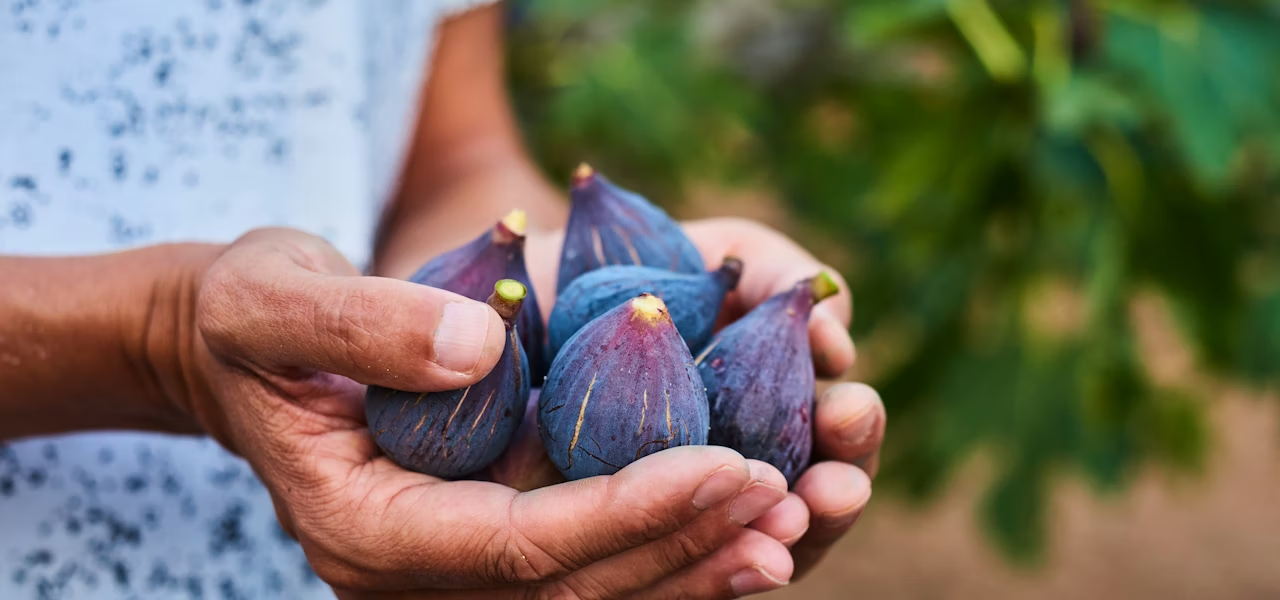
Allulose, also known as D-allulose or D-psicose, is a simple sugar with a chemical structure similar to fructose. It is often called a “rare sugar” because only small amounts occur naturally in foods such as figs, raisins, wheat and maple syrup.
Extracting enough allulose directly from these foods would be impractical. Commercial allulose is therefore usually made by using enzymes to convert plant-derived fructose, often obtained from corn.
The molecule occurs in nature, but the ingredient sold in packets or added to manufactured foods is normally produced through an industrial process. Describing commercial allulose as either entirely natural or entirely artificial oversimplifies the situation.
Allulose is approximately 70% as sweet as table sugar. It supplies about 0.4 calories per gram, compared with roughly 4 calories per gram for sucrose. The US Food and Drug Administration uses the 0.4-calorie figure in its current allulose labeling guidance.
Most absorbed allulose is not extensively converted into energy and is largely eliminated unchanged in urine. A smaller amount reaches the large intestine, where it can interact with gut microbes and contribute to digestive symptoms in some people.
Why Cooks and Bakers Use It
High-intensity sweeteners can make a drink sweet with only a tiny amount, but they cannot reproduce the physical role sugar plays in cakes, biscuits and desserts. Sugar supplies bulk, retains moisture, changes texture and helps food brown when heated.
Allulose behaves more like conventional sugar. It dissolves readily, contributes softness and moisture, and can create browning and caramel-like flavors. It may also help frozen desserts remain softer by lowering their freezing point.
It is not a perfect one-for-one substitute. Because allulose is less sweet than sucrose, replacing equal amounts produces a less sweet result. It may also brown more rapidly or leave baked food softer and moister than expected.
Using extra allulose to match the sweetness of sugar can increase the cost of a recipe and the likelihood of digestive discomfort. Recipes developed specifically for allulose are usually more predictable than simply replacing all the sugar in an existing formula.
But behaving like sugar in the kitchen does not establish what allulose does for health. Its possible benefits must be considered separately from its culinary performance.
Effects on Blood Glucose
Because the body metabolizes relatively little allulose, consuming it by itself generally produces little or no meaningful increase in blood glucose or insulin.
Several human trials have also examined what happens when allulose is eaten with carbohydrates. Some suggest that it may modestly reduce the rise in blood glucose after a meal. Proposed explanations include changes in carbohydrate absorption and glucose processing, although the precise mechanisms are not fully established.
A 2024 meta-analysis of six trials involving 126 people with type 2 diabetes found a reduction in post-meal glucose exposure. However, it did not find significant improvements in fasting glucose or insulin measurements, and the authors called for more long-term research.
The evidence is encouraging but limited. Many studies have been small, lasted for short periods or tested the response to a single meal. Allulose should therefore be viewed as a sweetener with a low immediate glycemic effect, not as a treatment for diabetes.
People taking medication that affects blood glucose should continue to follow their individual care plans rather than changing treatment because of a sweetener.
Can It Support Weight Management?
Replacing ordinary sugar with allulose can reduce the calorie content of a recipe. If this substitution lowers total energy intake over time, it may support weight-management goals.
That is different from claiming that allulose burns fat. Early studies have investigated possible effects on body weight, appetite and abdominal fat, but the evidence is not strong enough to establish allulose as an independent weight-loss aid.
A product labeled “reduced sugar” may still contain refined starches, saturated fat or substantial calories from other ingredients. Some people may also eat larger portions because they believe a low-sugar product is automatically healthier.
Allulose can help reduce calories only when it genuinely replaces sugar without leading to compensation elsewhere in the diet.
What About Dental Health?
Bacteria in the mouth use ordinary sugars to produce acids that can damage tooth enamel. Laboratory evidence suggests that cavity-forming bacteria do not use allulose in the same way, so it may be less likely than sucrose to contribute to tooth decay.
However, direct long-term studies measuring cavities in people remain limited. Dental health also depends on brushing, fluoride exposure, saliva, eating frequency and the other ingredients in a food.
It is reasonable to describe allulose as potentially less harmful to teeth than sugar, but there is not enough evidence to claim that it prevents cavities or improves dental health.
Yet low calorie does not mean that unlimited amounts will be comfortable or appropriate. Dose, personal tolerance and the comparatively short history of widespread use all matter.
Is Allulose Safe?
In the United States, specific uses of allulose have been treated as generally recognized as safe, or GRAS. FDA guidance also permits manufacturers, under enforcement discretion, to exclude allulose from the “total sugars” and “added sugars” lines on nutrition labels while continuing to count it as carbohydrate and energy.
This position means that available evidence has not identified a serious safety concern under intended conditions of use. It does not mean every possible amount has been proved harmless.
Commercial use has expanded mainly during the past decade. Older sweeteners such as aspartame and sucralose have a much longer history of research and population exposure. Long-term evidence on frequent allulose consumption, particularly among children and during pregnancy, remains comparatively limited.
Digestive Side Effects
The most commonly reported problems are gastrointestinal. Allulose that reaches the large intestine may draw in water and undergo fermentation, potentially causing:
- Bloating
- Gas
- Abdominal discomfort
- Cramping
- Diarrhea
These symptoms are more likely as the amount increases, although tolerance varies considerably.
A small, non-randomized 2018 tolerance study involving healthy young adults suggested keeping a single serving below approximately 0.4 grams per kilogram of body weight and total daily intake below approximately 0.9 grams per kilogram.
For someone weighing 70 kilograms, these quantities would equal around 28 grams at one time and 63 grams throughout the day. However, these are study-derived reference points, not official limits that guarantee comfort for everyone.
A sensitive person may experience symptoms at much lower amounts, particularly when consuming several allulose-containing products close together. Starting with a small serving makes it easier to assess individual tolerance.
People with ongoing digestive disorders or persistent symptoms should seek advice from a qualified healthcare professional.
How Does Allulose Compare With Other Sweeteners?
Stevia
Sweet compounds extracted from the stevia plant can be approximately 200–350 times sweeter than sugar. Very little is required, so stevia contributes almost no usable energy at ordinary serving sizes and has minimal immediate effect on blood glucose.
Because the amount used is so small, stevia cannot supply the bulk or moisture needed in many baked foods. Some people also detect a bitter or licorice-like aftertaste.
Allulose generally tastes closer to sugar and performs better in baking, but a much larger amount is required, and it is usually more expensive.
Erythritol
Erythritol is a sugar alcohol that provides roughly 60–80% of the sweetness of sugar with very few calories. It is widely available and often less expensive than allulose.
It can provide bulk in recipes, although it may create a cooling sensation or recrystallize after baking.
Observational and experimental research has raised questions about erythritol and cardiovascular health. These findings do not prove that eating erythritol causes heart attacks or strokes. The body can also produce erythritol, making blood measurements difficult to interpret.
Current evidence is not sufficient to conclude that allulose is safer solely because of these concerns.
Monk Fruit
Monk fruit extract contains compounds that may be 150–250 times sweeter than sugar. It contributes little energy and generally has minimal immediate effect on blood glucose.
Like stevia, it supplies sweetness without the physical mass of sugar. Commercial monk fruit products are therefore often blended with erythritol or other ingredients.
Monk fruit may work well in drinks, but allulose is usually more helpful when a recipe requires browning, moisture and volume.
Artificial Sweeteners
Sweeteners such as aspartame, sucralose, saccharin and acesulfame potassium are far sweeter than sugar and contribute few or no calories in ordinary amounts.
They have been evaluated by regulators and are considered safe when used within established limits. However, they do not behave like sugar in most recipes, and some people dislike their flavor.
Questions about appetite, long-term dietary patterns and possible effects on the gut microbiome continue to be studied. These uncertainties do not mean approved sweeteners have been demonstrated to be dangerous.
No sweetener is best in every situation. Taste, digestive tolerance, price, intended use and total intake all influence the decision.
Where Is Allulose Available?
Food regulations differ between countries. According to the source article updated in February 2026, allulose was allowed or authorized in the United States, China, Australia, New Zealand, Mexico, Japan, South Korea and Singapore.
Canadian approval was still pending, while allulose had not yet been authorized as a food ingredient in the United Kingdom or European Union. “Not authorized” does not necessarily mean an ingredient has been declared unsafe; it may still be moving through a country’s novel-food review process.
Because regulations can change, anyone purchasing, importing or selling allulose should check the latest guidance from the relevant national food authority.
Ultimately, no single sweetener is the best choice for every person or purpose. The most suitable option depends on how it will be used and how well it is tolerated.
Choosing a Sweetener
For coffee or tea, a small amount of stevia or monk fruit may be simpler and less expensive. Erythritol can be a practical granular option for people who tolerate it.
In baking, allulose offers browning, moisture and bulk that high-intensity sweeteners cannot provide. It may be especially useful when reproducing the texture of sugar is important.
Whatever product you choose, check the complete ingredient list. Foods labeled “sugar-free” may combine several sweeteners and can still contain considerable calories, refined starches or saturated fat.
Replacing some added sugar may be useful, but repeatedly choosing intensely sweet foods can maintain a strong preference for sweetness regardless of which ingredient supplies it.
Summary
Allulose is a rare sugar that occurs naturally in small amounts but is commercially produced through enzymatic conversion. It is about 70% as sweet as table sugar and supplies approximately one-tenth of the calories.
It generally causes little immediate increase in blood glucose and may modestly reduce post-meal glucose responses when eaten with carbohydrates. The evidence is not sufficient to treat it as a diabetes therapy or weight-loss product.
Its sugar-like bulk, moisture and browning make it useful in baking. Its main recognized drawback is digestive discomfort at higher amounts, while long-term evidence remains more limited than for several older sweeteners.
Used moderately to replace added sugar, allulose can be a practical choice for some people. It is one dietary tool, not a shortcut to better health.
Frequently Asked Questions
Is Allulose Natural?
The molecule occurs naturally in small amounts in foods such as figs and raisins. Commercial allulose is usually manufactured by using enzymes to convert plant-derived fructose, so it is naturally occurring but industrially produced.
Does Allulose Raise Blood Sugar?
Consumed by itself, it usually produces little or no meaningful rise in blood glucose or insulin. Some small studies suggest that it may reduce the glucose rise after a meal, but it should not replace medication or individualized medical advice.
Can Allulose Help With Weight Loss?
Replacing ordinary sugar with allulose can reduce calories, which may support weight management if total energy intake decreases. There is insufficient evidence that allulose directly produces meaningful, lasting weight loss.
What Are Its Main Side Effects?
Larger amounts may cause gas, bloating, cramping or diarrhea. Tolerance varies, so it is sensible to begin with a small quantity and consider the total consumed across multiple foods.
Is Allulose Better Than Stevia?
Neither is universally better. Allulose tastes and behaves more like sugar in baking. Stevia is much sweeter, requires only a tiny amount and contributes virtually no calories. The better choice depends on purpose, flavor preference, cost, availability and digestive tolerance.
Is Allulose Banned in the UK?
It was not authorized as a food ingredient in the UK according to the February 2026 source article, but that is not the same as being explicitly banned for proven harm. Its regulatory status may change as safety reviews proceed.
Can Allulose Directly Replace Sugar in Baking?
It can replace sugar in some recipes, but the result will be less sweet and may brown faster or retain more moisture. Recipes specifically developed for allulose generally produce more predictable results.