











SMARTER LAUNDRY
That extra button can rescue a problem load, but most everyday washing is better served by correct detergent dosing and enough room in the drum.
Laundry settings invite a more-is-better mindset. An extra rinse can feel like insurance against anything the washer missed, but most everyday loads do not need it. Modern machines and detergents are designed to rinse effectively when the drum is loaded properly and detergent is measured correctly.
The option still has a purpose. Use it to solve a real rinsing problem rather than switching it on by habit.
What an Extra Rinse Actually Does
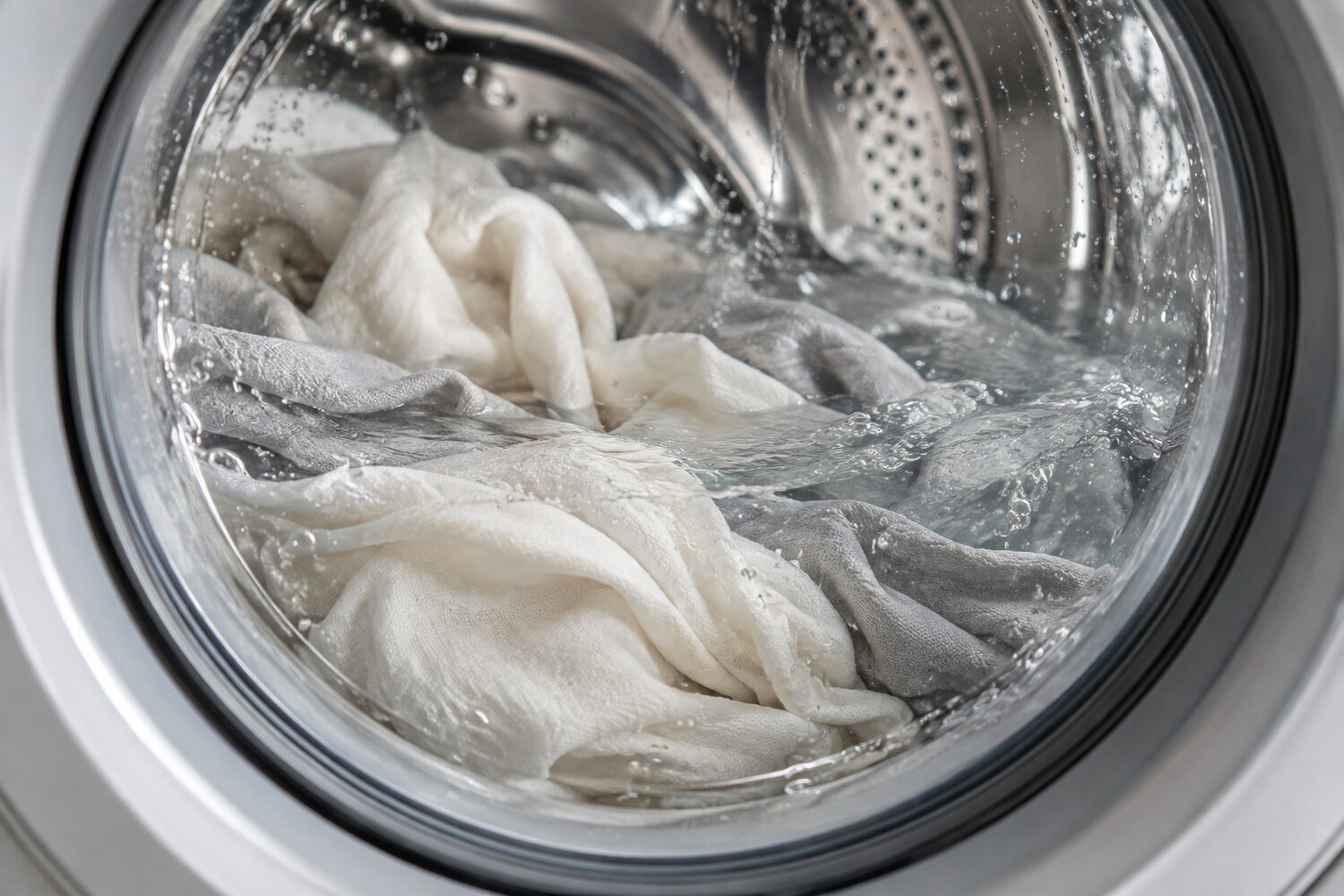
After the standard wash and rinse, the machine brings in fresh water, moves the load again, drains, and usually spins. That water can carry away detergent, loosened soil, or other laundry-product residue.
It does not repeat the full wash. It cannot replace stain treatment, adequate agitation, or the right cycle, and it does not sanitize clothing. Programs vary, so check your washer’s manual when the controls are unclear.
When a Second Rinse Can Help
The strongest reason appears after the cycle ends. If fabric is visibly soapy, powdery, slick, or unusually stiff, another rinse may help remove what remains.
Too Much Detergent Went In
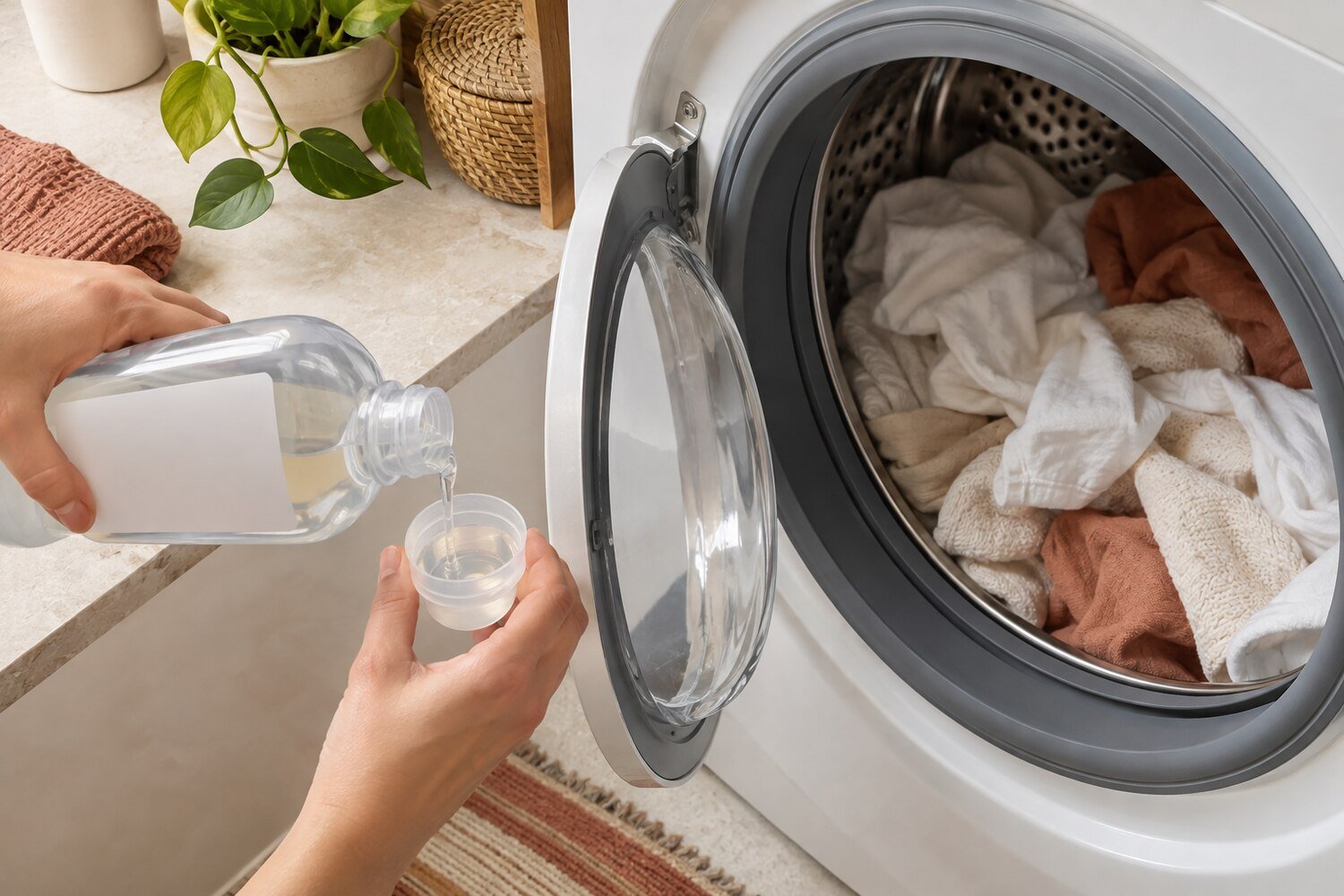
Concentrated and high-efficiency detergents require smaller doses than many people expect. If the load finishes with suds or streaks, run an extra rinse without adding product. Next time, measure for the load size, soil level, detergent concentration, and water conditions.
The Load Is Bulky or Absorbent
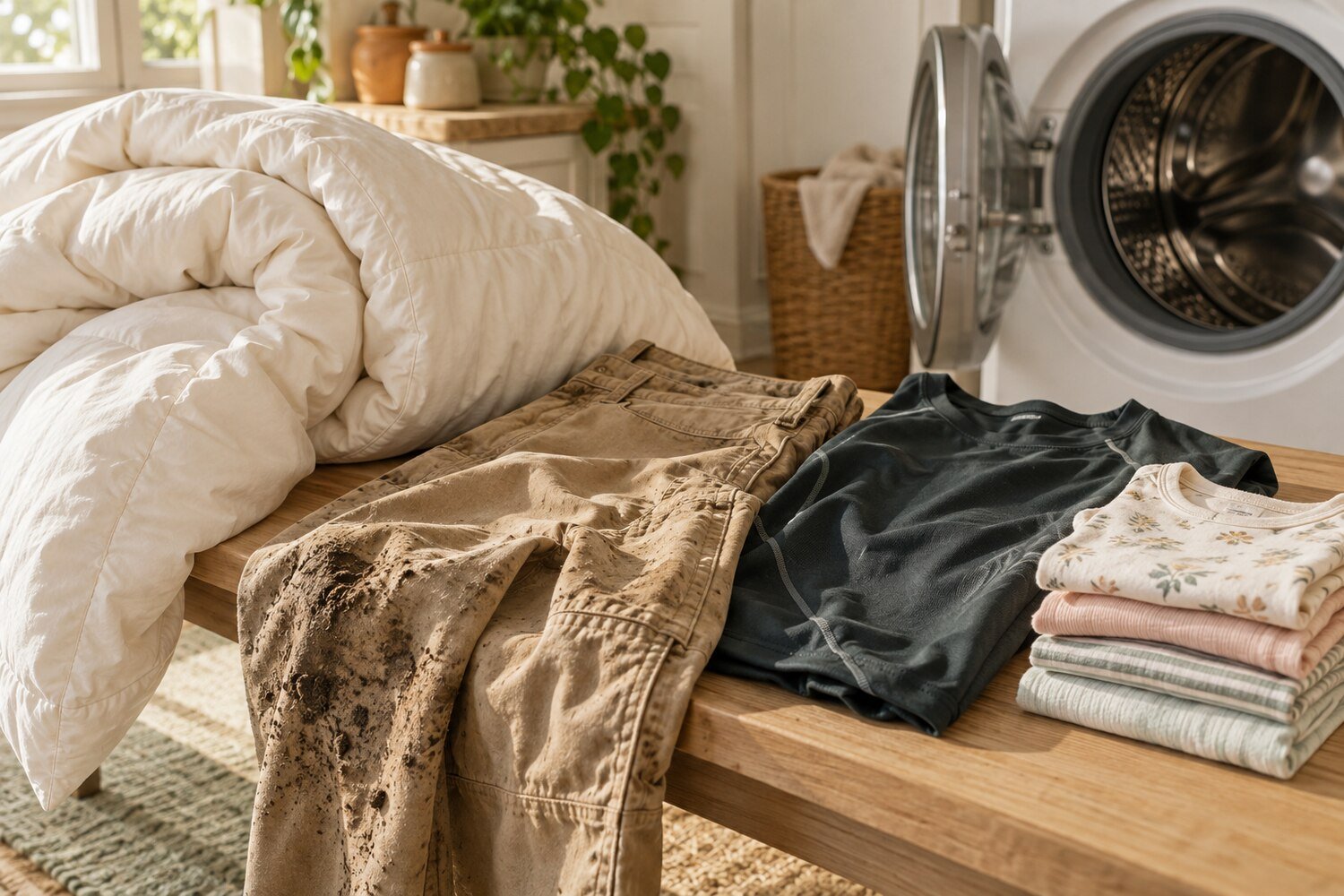
Comforters, pillows, thick robes, and mattress pads can trap wash water within their layers. Another rinse may clear residue if the item fits comfortably and its care label permits machine washing. A tightly packed duvet belongs in a larger washer; repeated rinsing cannot create space in an undersized drum.
The Clothing Was Exceptionally Dirty
Muddy garden clothes or heavily perspired sportswear may release more soil than an ordinary load. Shake off loose dirt, pretreat stains, and choose the proper soil setting first. A second rinse can then flush away loosened grime. Inspect stains before drying because heat can make some marks harder to remove.
The Washer Was Overloaded
Clothing needs room to circulate. If an overcrowded load finishes with suds, another rinse may reduce residue. If items remain dirty, divide them and wash again; rinsing cannot correct inadequate cleaning.
Residue Is a Skin Concern
For baby clothes or laundry used by someone prone to eczema, allergies, or irritation, an extra rinse may reduce detergent left in the fibers. Accurate dosing and an appropriate fragrance- and dye-free detergent may also help. This is not medical treatment, and persistent symptoms warrant professional advice.
When to Skip It
For a normally soiled, properly sized load that comes out clean and free of residue, the standard rinse is usually enough. Selecting another one for every basket adds water and time without a clear benefit.
Do not rely on repeated rinsing to solve persistent odors. Odor can point to trapped soil, damp storage, an unsuitable program, or a washer that needs approved cleaning or service. Address the cause instead of repeatedly diluting the symptom.
The Practical Tradeoff
Every extra rinse uses more water and lengthens the cycle. Additional pumping, tumbling, and spinning can also increase energy use and fabric handling. The exact cost varies by machine and program, so fixed claims about gallons or minutes are unreliable.
Prevention is simpler: measure detergent, use a high-efficiency formula when required, match the cycle to the load, and leave room for clothing to move.
A Quick Decision Checklist
- Are there suds, white marks, stiffness, or a slick feel?
- Is the load unusually dirty, bulky, or for someone sensitive to residue?
- Was too much detergent used?
- Was the drum crowded?
- Does the problem recur after correcting the dose and load size?
One clear symptom or a special load can justify one extra rinse. If the issue returns, consult the manual and investigate dosing, cleaning, drainage, or machine performance instead of making a second rinse permanent.
Used selectively, the setting is a useful correction. Used automatically, it is mostly extra water and waiting.