












Graphic Design · Creative Careers
For Koto designer Hailey (SoJeong) Kim, New York’s real lesson is not simply how to work faster. It is how to form clearer opinions, make useful systems and develop a creative voice that can travel.
New York is routinely described as intense, but speed alone does not explain its effect on designers. The city moves with intent. People care visibly about their work, defend their opinions and expect others to arrive equally prepared. That atmosphere raises the standard before a project has even begun.
Hailey (SoJeong) Kim, a designer at Koto’s New York studio, sees learning everywhere: inside agencies, during talks, across museum rooms and in conversations that begin casually before becoming unexpectedly useful. Excellence is not an abstract ambition when it is encountered daily. It becomes something to observe, question and answer through the work.
The city’s diversity makes that education broader. Designers, clients and collaborators bring different references, habits and visual languages into the same room. An idea that seems obvious from one background may land differently from another. New York teaches creative people to test their assumptions while they are still forming them.
That proximity changes ambition. Rather than measuring progress against distant case studies, designers can watch how respected practitioners frame a problem, defend a choice and recover when an idea fails. The lesson is practical: strong work is rarely produced by inspiration alone. It grows from attention, repetition and the willingness to let other people improve the thinking.

Speed Clarifies the Idea
Yet the common assumption that New York’s pace destroys thoughtfulness misses what pressure can do. Compressed timelines force decisions into focus. There is less space for endless internal debate, decorative detours or safe proposals that avoid saying anything. Speed becomes valuable when it removes hesitation rather than care.
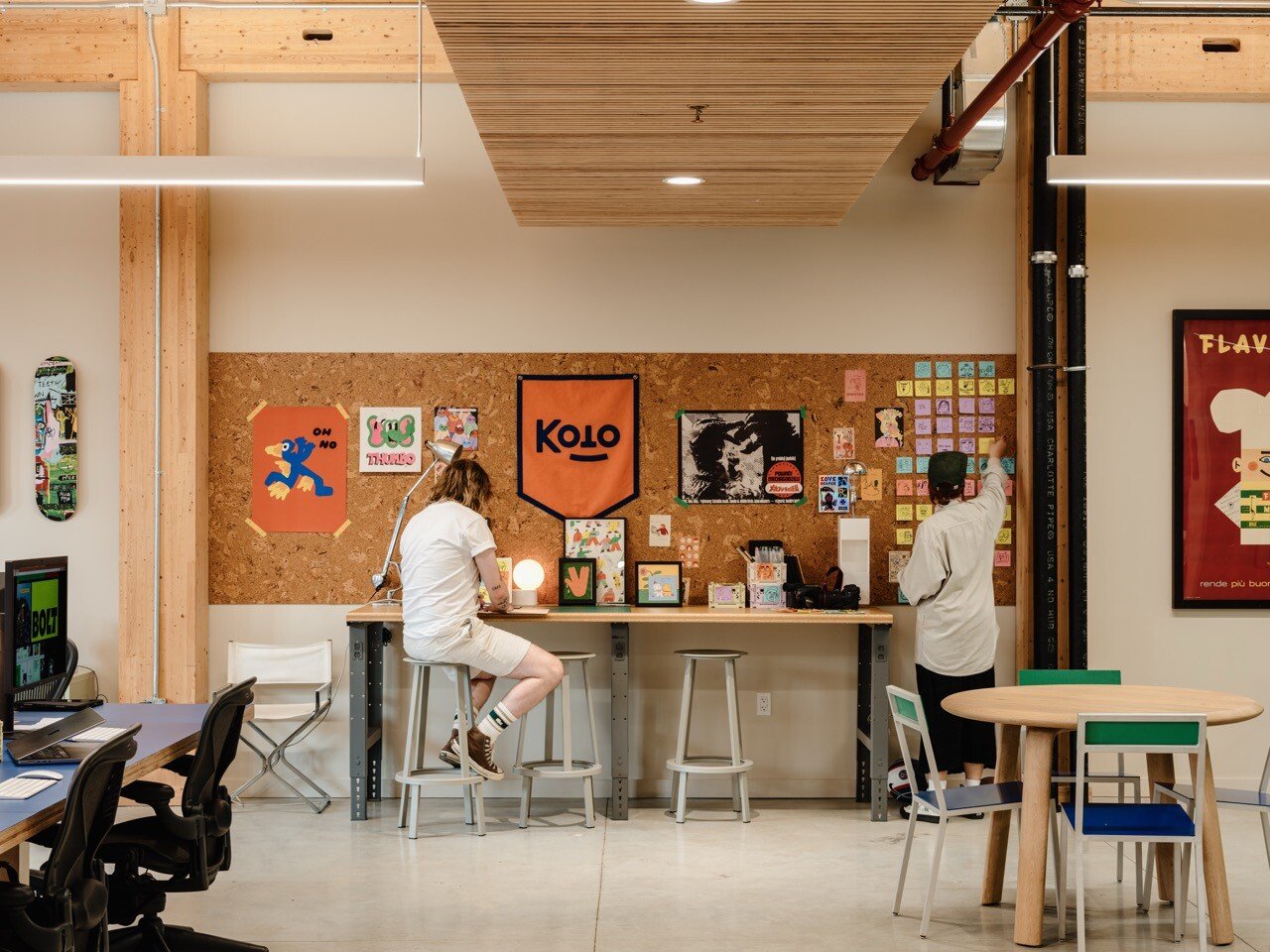
Kim naturally prefers to filter an idea before sharing it. At Koto NYC, she learned that waiting for a thought to feel complete can keep it from developing at all. Offering a perspective earlier allows colleagues to challenge it, add context and expose its strongest direction. Clarity often emerges through conversation instead of arriving before it.

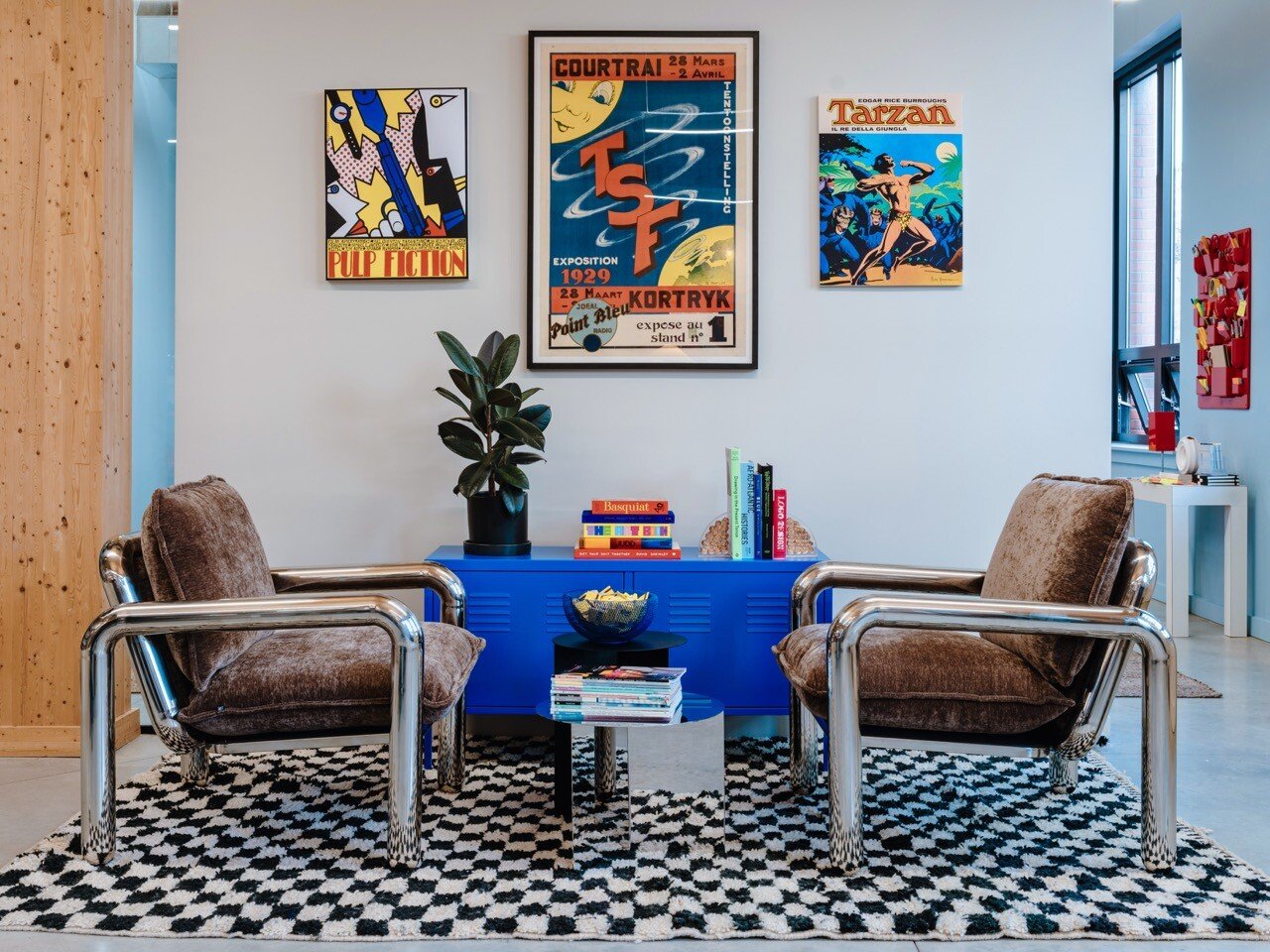

That exchange works because critique is direct but trusted. People at every level are expected to contribute, and decisiveness is not confused with recklessness. When a team shares the same aim, an intense period can sharpen the idea instead of flattening it. The pressure is productive because the group is honest, aligned and willing to move together.
Craft Must Work in Reality
But moving quickly increases the importance of detail. A designer still has to explain why every choice exists, and going beyond the brief is useful only when it improves the result. Strategy and rational thinking prevent ambition from becoming excess. The goal is not to add more, but to make the system more capable.
On one project, a client requested several example applications in Figma. The team delivered a complete template system that could be used immediately. That additional step turned a presentation into a working tool. Kim says this kind of initiative is noticed in New York because it shows ownership of what happens after approval, not just of what appears in the pitch.
That expectation changes the definition of polish. A beautiful mock-up is insufficient if a client cannot extend it, if motion contradicts hierarchy or if the system collapses beyond its showcase format. New York’s commercial pressure makes usefulness visible. The best refinement removes friction for people who inherit the work after final delivery.
Motion and micro-interactions carry the same responsibility. Movement can guide attention, reveal hierarchy and connect a strategy with its visual behaviour. In a crowded market, a brand feels deliberate when logic, detail and motion reinforce one another. Craft therefore becomes restraint: knowing what deserves emphasis, what should disappear and what best advances the story.


One City, Many Audiences
New York may have a distinct personality, yet work produced there rarely belongs to one market. Clients need identities that can scale and remain coherent across cultures. Designing from the city means looking outward, anticipating how language, imagery and interaction will be understood beyond the context in which the original decision was made.
Koto’s international studio network makes that outward view practical. Teams in different regions pressure-test ideas early, bringing local knowledge and contrasting instincts into the process. The result is not a diluted compromise. Work becomes more resilient because its logic has survived questions from several cultural positions before reaching the public.

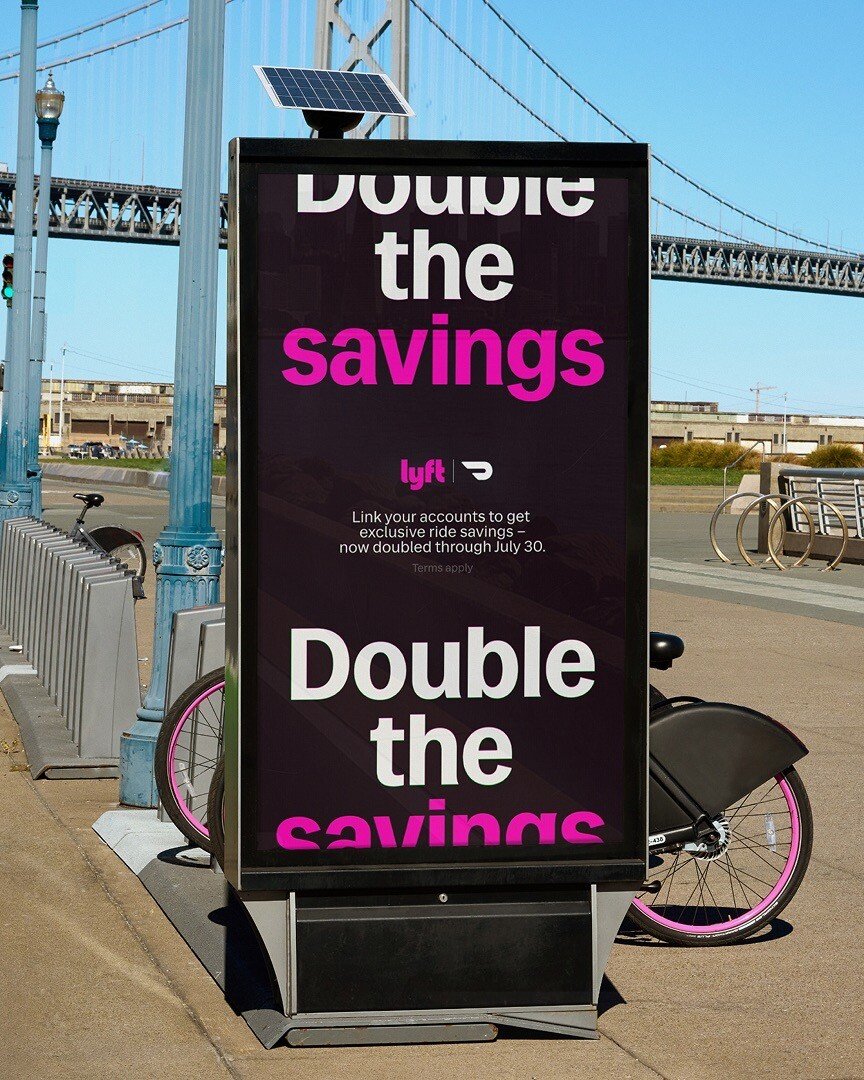
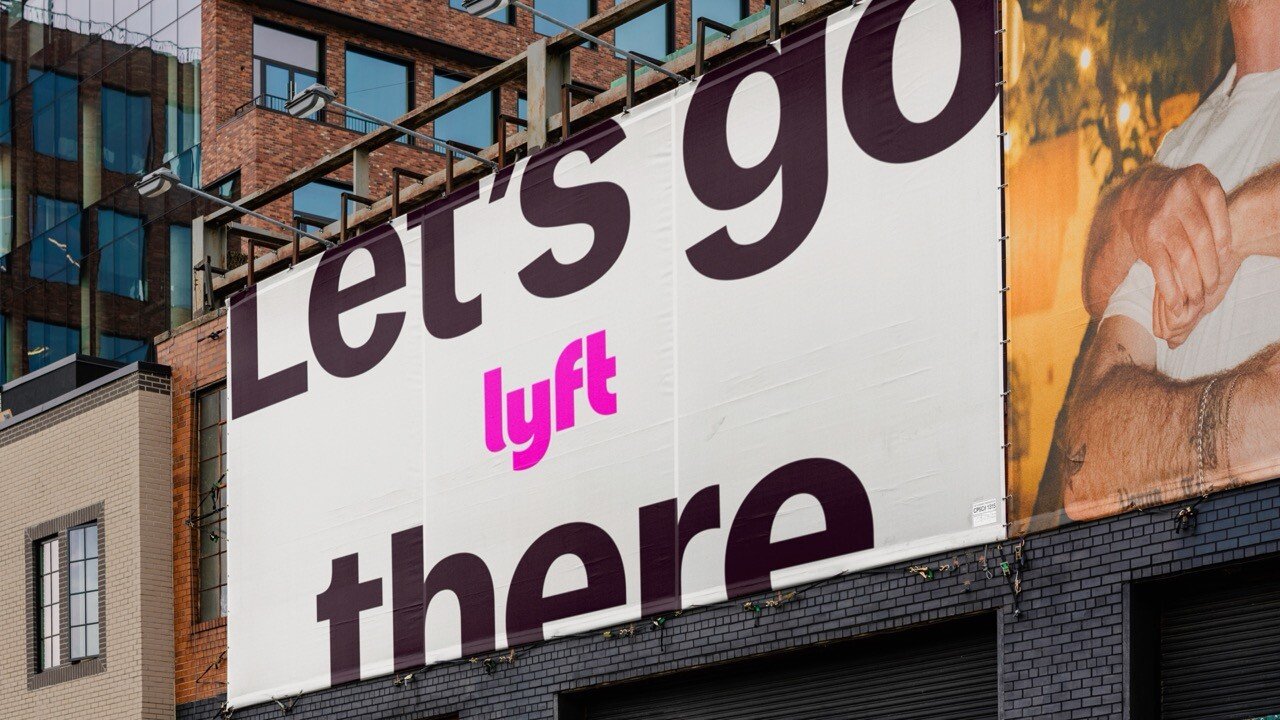
American clients, particularly those in New York, also expect a visible point of view. A designer must explain why an idea solves the problem, how it will scale and where its boundaries lie. Confidence is valuable, but only when supported by reasoning. The city trains people to be decisive and deeply considered at the same time.
The Confidence the City Builds
Ultimately, New York has changed Kim emotionally as well as professionally. Constant contact with different perspectives teaches closer listening. It alters how a designer collaborates, handles disagreement and considers people who do not share the same history. Openness becomes a working skill rather than a vague personal virtue.
The city also makes growth feel like an individual responsibility. Opportunities rarely arrive in tidy packages, so progress requires asking questions, speaking up and looking deliberately for the next challenge. Repeating those actions builds agency. A creative voice becomes trustworthy not because it dominates the room, but because experience and curiosity support it.

Small extra efforts accumulate: refining one more detail, attending another talk or pushing a useful idea beyond the expected stopping point. Over time, those choices shape judgement and resilience as much as the portfolio. They also explain why the city can be exhausting and rewarding in equal measure.

New York is not the right environment for everyone, and it does not pretend to be. For designers willing to remain open, keep learning and accept challenge without erasing their identity, however, its greatest return is larger than a stronger body of work. The city develops a voice, the confidence to use it and a more demanding understanding of what design can accomplish.