

Recent Posts










Italy can feel like several countries gathered inside one border. Alpine peaks rise above green valleys in the north, Renaissance cities fill the center, and the south opens toward sunlit coastlines, whitewashed villages, ancient ruins, and volcanic islands. Every region has its own architecture, food, rhythm, and sense of place.
That variety is what makes Italy so rewarding—and sometimes difficult to plan. A first-time traveler may want to see Rome, Florence, and Venice, while another visitor may dream of hiking in the Dolomites, driving through Tuscany, swimming beside the villages of Puglia, or exploring Sicily’s Greek temples.
The most successful Italian journeys are rarely the ones that include the greatest number of stops. They are the ones that balance famous landmarks with time to wander, eat slowly, and experience the everyday character of each destination.
Italy offers very different experiences from one region to the next.
Start With the Shape of Your Trip
Italy is best planned by deciding how much time you have before choosing specific destinations. Distances that appear small on a map can involve several train changes, mountain roads, ferry connections, or long transfers between stations and hotels.
With seven days, concentrate on two or three places. A week is enough for a compact Rome–Florence–Venice journey, a northern lakes and mountains trip, or a focused visit to Naples and the Amalfi Coast.
Ten days gives you room to combine the classic cities with one slower region. You might add Tuscany to Rome and Florence, include Cinque Terre between Florence and Venice, or travel through Naples, Matera, and Puglia.
With two weeks, you can connect several regions without turning every day into a transfer day. Fourteen days also works well for a detailed road trip through Sicily, Puglia, the Dolomites, or the Tuscan countryside.
Three weeks or more opens the possibility of combining northern, central, and southern Italy. Even then, avoid changing hotels every night. Two- and three-night stays produce a more enjoyable trip and provide protection against delays, poor weather, and temporary attraction closures.
Choose a Travel Style
Before building a route, decide what you want the trip to feel like.
For art and history, place Rome, Florence, Venice, Milan, Ravenna, Pompeii, and Sicily’s archaeological sites near the top of your list.
For landscapes, look toward the Dolomites, Lake Como, the Tuscan countryside, Cinque Terre, the Amalfi Coast, Sardinia, and Sicily.
Food-focused travelers may prefer Bologna and the wider Emilia-Romagna region, Piedmont, Naples, Tuscany, Sicily, or Puglia.
If beaches and swimming are priorities, devote more time to Sardinia, Puglia, Sicily, Liguria, or Campania rather than building an itinerary around inland cities.
Travelers who prefer quiet villages may enjoy Umbria, Basilicata, southern Tuscany, or the less-visited parts of Sicily. These places generally require more planning than the major cities, but they often provide the most personal memories.
Northern Italy: Mountains, Lakes, and Grand Cities
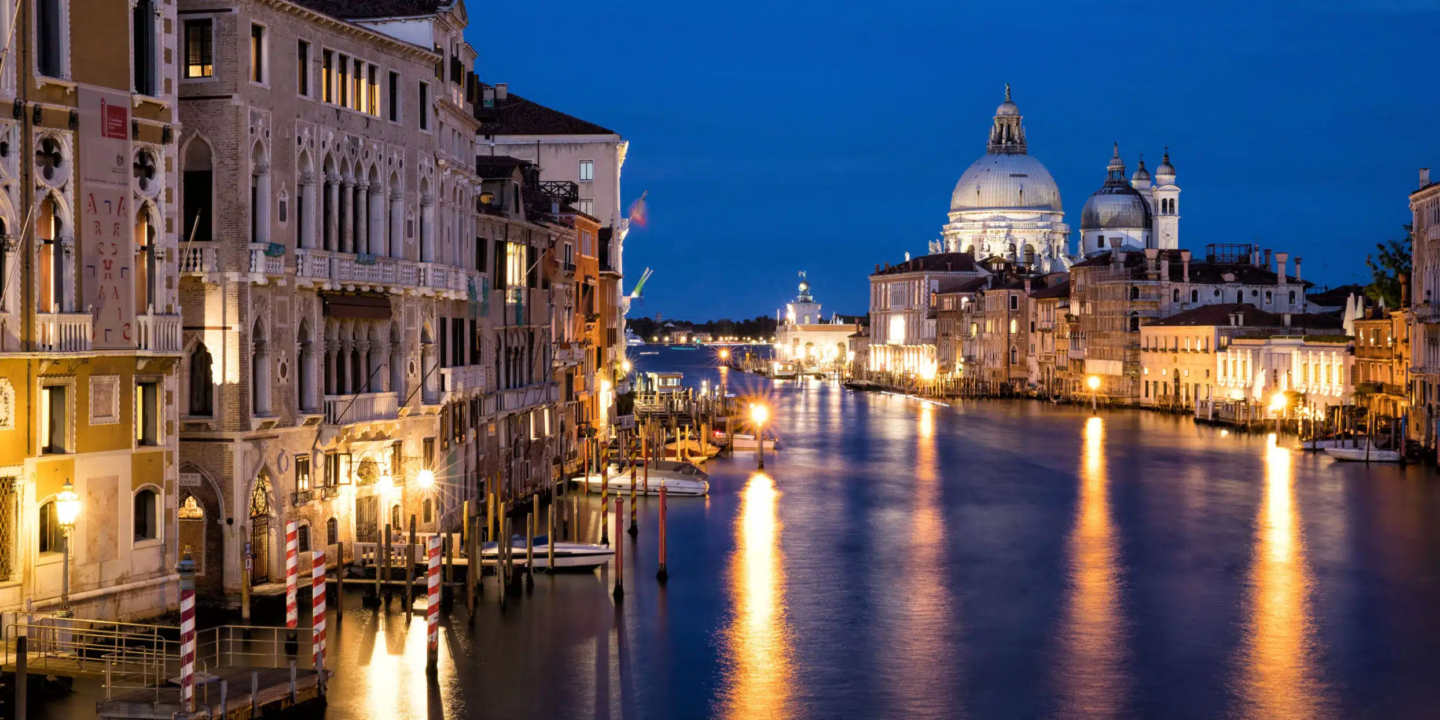
Northern Italy offers some of the country’s greatest contrasts. In a single trip, you can move from Milan’s elegant streets to Lake Como’s waterfront villages, cross the dramatic passes of the Dolomites, and finish among the canals of Venice.
Venice
Venice is unlike any other major European city. Cars disappear at the edge of the lagoon, and movement continues by foot, vaporetto, water taxi, and gondola. Even short walks can become memorable as routes pass beneath archways, across small bridges, and through quiet residential squares.
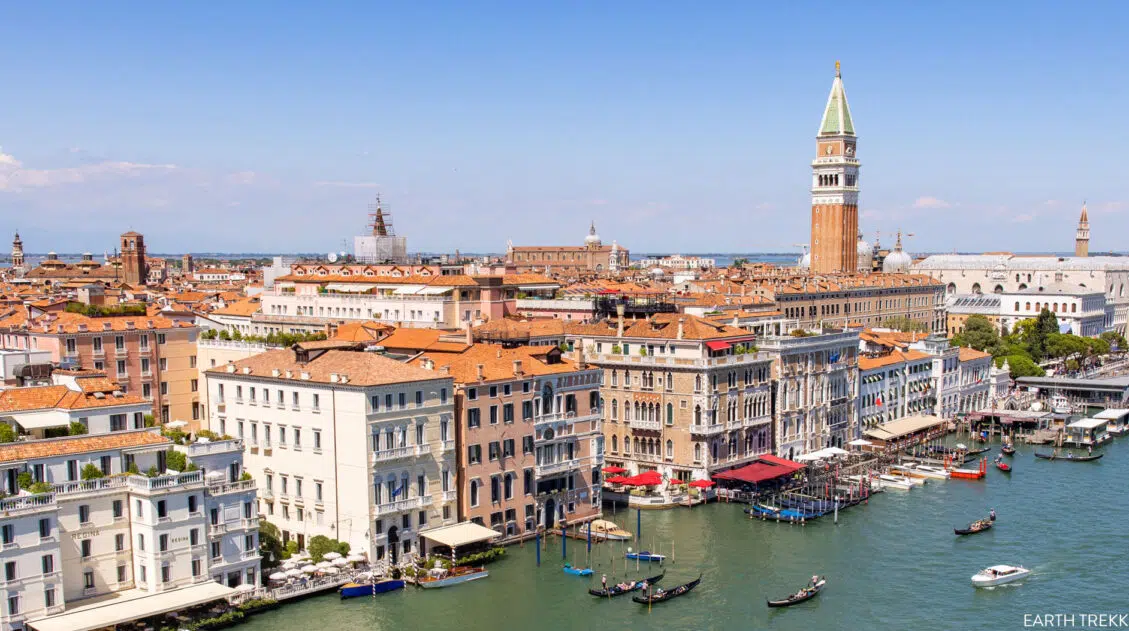
St. Mark’s Square contains many of the principal sights, including St. Mark’s Basilica, the Doge’s Palace, and the Campanile. These monuments deserve time, but Venice becomes more atmospheric when you move away from the central corridor connecting the railway station, Rialto Bridge, and St. Mark’s Square.
Explore neighborhoods such as Cannaregio, Dorsoduro, and Castello. Cross the lagoon to Murano for glassmaking traditions or continue to colorful Burano. If possible, remain overnight. The city feels calmer after day-trippers leave and before the morning crowds return.
Two full days provide a good introduction. Three days allow time for the lagoon islands, smaller churches, museums, and unhurried walks.
Venice operates a date-specific visitor access program that can change from year to year. As checked in September 2026, the official portal states that the 2026 trial period ended on July 26 and that no fee applied from July 27. Always verify your exact dates on the official Venice Access Fee portal.
Milan, Verona, and the Lakes
Milan is Italy’s financial and fashion center, but it also holds several extraordinary cultural landmarks. The Gothic Duomo dominates the city center, while the nearby Galleria Vittorio Emanuele II leads toward La Scala. Leonardo da Vinci’s The Last Supper is one of the city’s most sought-after experiences, and reservations can disappear far in advance.
One or two days is generally enough for Milan’s major attractions. The city also works as a transport gateway for Lake Como, Lake Maggiore, Turin, and the rest of northern Italy.
Lake Como combines mountain scenery, gardens, elegant villas, and compact waterfront towns. Varenna and Bellagio are popular bases, while Como provides the simplest rail connection to Milan. Ferries are often the most enjoyable way to move among the central lake villages.
Verona deserves more than a quick photograph beneath Juliet’s balcony. Its Roman arena, riverside setting, historic bridges, and compact center make it an excellent one- or two-night stop. Nearby Lake Garda offers waterfront towns, swimming, hiking, and family attractions.
The Dolomites
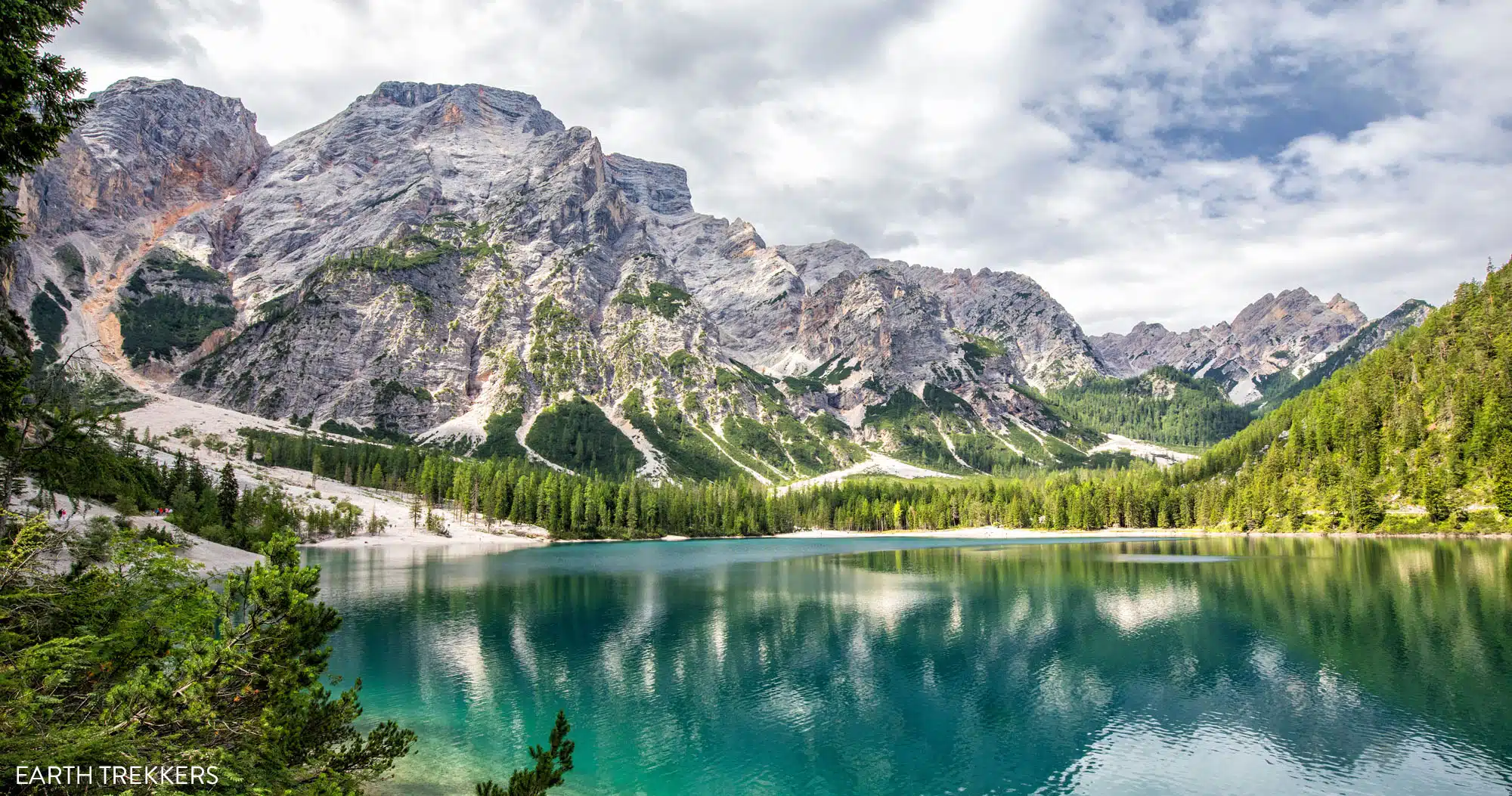
The Dolomites rise in pale towers, serrated ridges, and broad plateaus above the valleys of northeastern Italy. They are one of the country’s finest destinations for hiking, scenic driving, cycling, and winter sports.
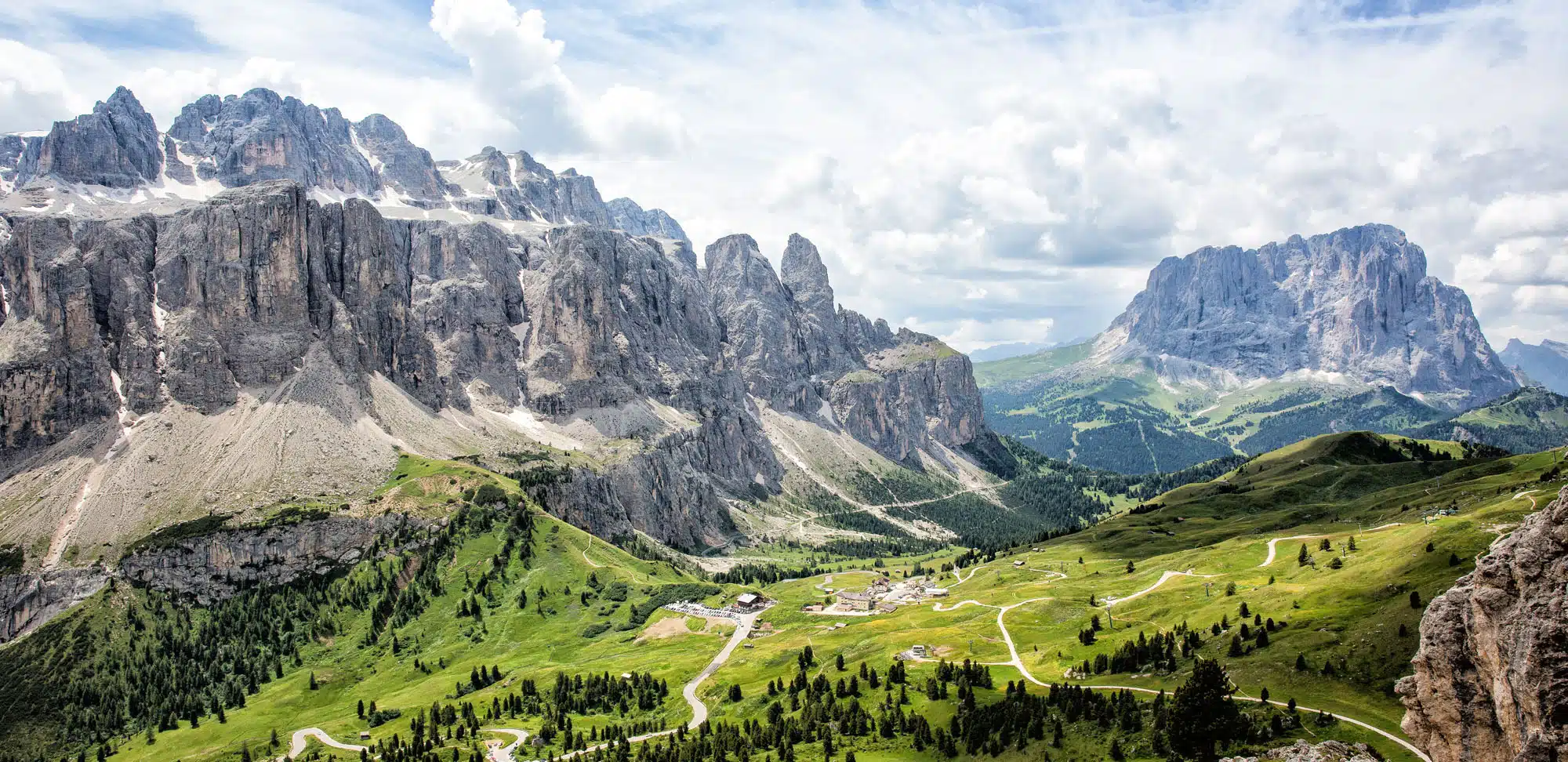
Popular areas include Val Gardena, Alta Badia, Cortina d’Ampezzo, and the region around Bolzano. Signature landscapes include Seceda, Tre Cime di Lavaredo, the Cinque Torri, Alpe di Siusi, and Lago di Braies.
Summer access is closely connected to the seasonal operation of cable cars and mountain huts. Some lifts open only from late spring to early autumn, and snow can remain on high trails well into the season. In winter, the same valleys become part of an extensive skiing network.
A car makes it easier to connect valleys and trailheads, although buses and cable cars cover many established resort areas. Allow at least three days. Five to seven days is better for hikers because mountain weather may interrupt even a carefully planned schedule.
Cinque Terre and the Ligurian Coast
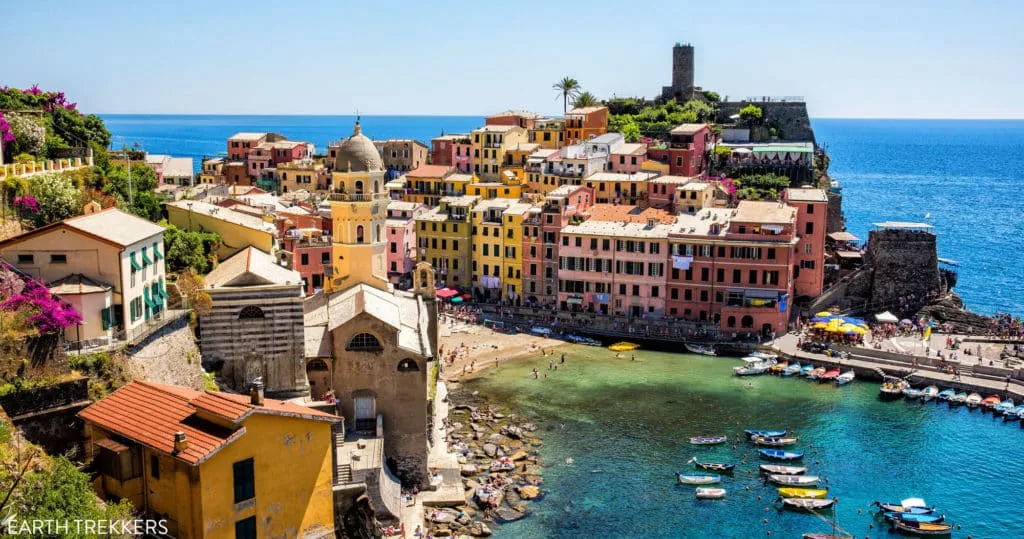
Cinque Terre consists of five historic villages—Monterosso al Mare, Vernazza, Corniglia, Manarola, and Riomaggiore—positioned along a steep stretch of the Ligurian coast.
Trains provide the easiest connection among the villages, while hiking trails reveal vineyards, terraces, and elevated sea views. Trail conditions can change after storms, landslides, or maintenance work, so check the national park’s current notices before setting out.
Monterosso has the largest beach. Vernazza is known for its small harbor, Corniglia sits above the sea, and Manarola and Riomaggiore descend toward narrow waterfronts. Staying for two or three nights lets you experience the villages before and after the busiest day-trip hours.
Travelers looking for a quieter Ligurian experience can also consider Levanto, Portovenere, Camogli, or Santa Margherita Ligure.
Bologna and Emilia-Romagna
Bologna is one of Italy’s great food cities, but its appeal extends well beyond its restaurants. Miles of covered porticoes pass through a medieval center filled with towers, markets, churches, and Europe’s oldest university.
The city is a useful base for exploring Emilia-Romagna. Parma is associated with Parmigiano Reggiano and prosciutto, Modena with traditional balsamic vinegar, and Ravenna with exceptional Byzantine mosaics. Ferrara offers Renaissance streets and cycling-friendly walls.
Because Bologna sits on important rail lines, it can be incorporated between Florence, Milan, and Venice. Two nights provide enough time for the historic center and several memorable meals; additional days make regional excursions possible.
Central Italy: Art Cities and Hill Towns
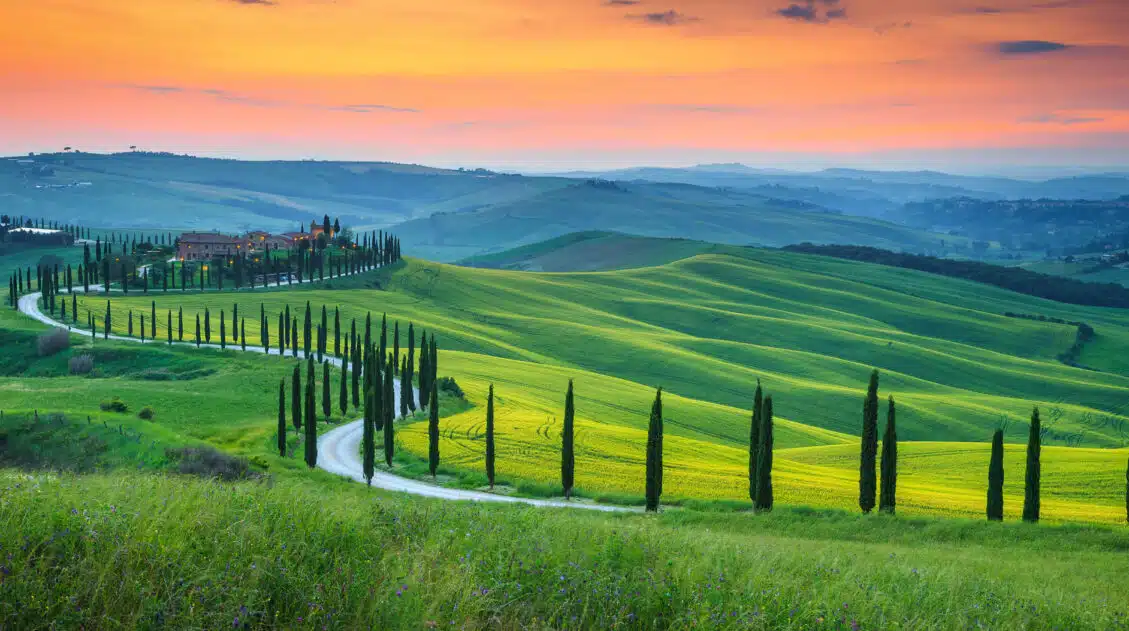
Central Italy contains many of the places that shape the world’s image of the country: Rome’s ruins, Florence’s Renaissance art, cypress-lined Tuscan roads, stone hill towns, vineyards, and broad rural landscapes.
Florence
Florence is compact enough to explore on foot, yet its museums, churches, palaces, and viewpoints can easily fill several days.
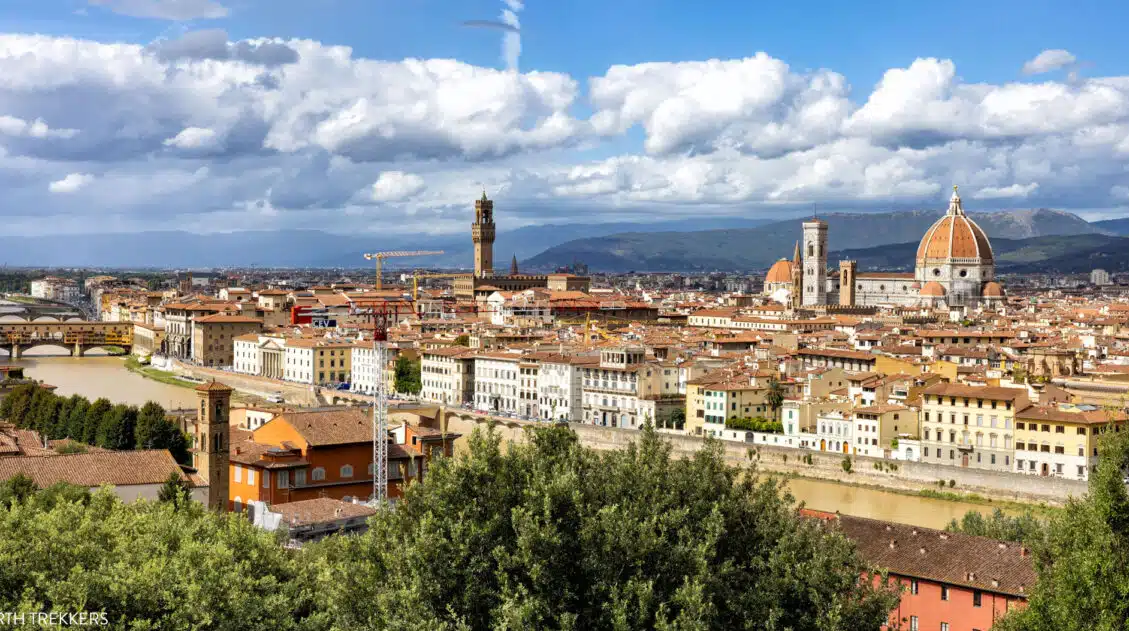
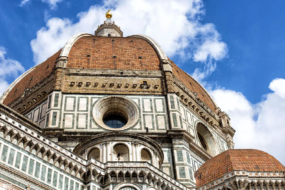
The cathedral complex forms the visual center of the city. Florence Cathedral, Giotto’s Bell Tower, the Baptistery, and Brunelleschi’s dome can be visited separately or as part of a combined plan. Climbing the dome or bell tower involves steep, narrow stairways, but the views over the terracotta rooftops are unforgettable.
The Uffizi Gallery contains works by artists including Botticelli, Leonardo da Vinci, Raphael, and Michelangelo. The Accademia Gallery is best known for Michelangelo’s David. Advance reservations are strongly recommended for both museums during busy periods.
Elsewhere, cross the Ponte Vecchio, explore the Oltrarno neighborhood, visit the Basilica of Santa Croce, and walk to Piazzale Michelangelo for a wide city view. Two days covers the principal landmarks, while three or four days allows a slower visit or a day trip into Tuscany.
Tuscany Beyond Florence
Tuscany rewards travelers who leave the main rail corridor. Its smaller cities and villages combine medieval architecture, vineyard landscapes, local traditions, and some of Italy’s most recognizable countryside.
Siena centers on the shell-shaped Piazza del Campo and its striped cathedral. San Gimignano is marked by surviving medieval towers, while Lucca is surrounded by broad walls that now form a walking and cycling route.
Southern Tuscany contains several excellent road-trip destinations. Montepulciano and Montalcino are associated with celebrated wines. Pienza overlooks the Val d’Orcia, a landscape of rolling fields, farmhouses, cypress trees, and winding country roads. Nearby towns include Cortona, Arezzo, Volterra, and San Quirico d’Orcia.
Pisa can be visited as a half-day trip, although the cathedral and baptistery deserve attention alongside the Leaning Tower. The famous monuments occupy only one part of a larger university city.
Trains connect several important Tuscan cities, but a car is useful for villages, wineries, rural hotels, and scenic roads. When driving, remain alert for restricted-traffic zones in historic centers.
Umbria
Umbria shares some of Tuscany’s green landscapes and hilltop settlements but often feels quieter. The region is landlocked, centrally positioned, and suited to travelers who want historic towns without the same concentration of international visitors.
Assisi is known for the Basilica of St. Francis and its collection of medieval frescoes. Orvieto rises above the surrounding landscape on a volcanic plateau, with a richly decorated cathedral at its center.
Perugia combines Etruscan remains, medieval streets, university life, and a strong food culture. Smaller towns such as Spello, Gubbio, Montefalco, and Bevagna can be linked on a relaxed road trip.
Umbria works well as an alternative to Tuscany or as a bridge between Florence and Rome. Public transportation reaches the larger towns, but a car gives access to rural accommodations and smaller villages.
Rome
Rome demands more time than its map suggests. The historic center is walkable, but the city’s monuments belong to different periods and spread across several districts.
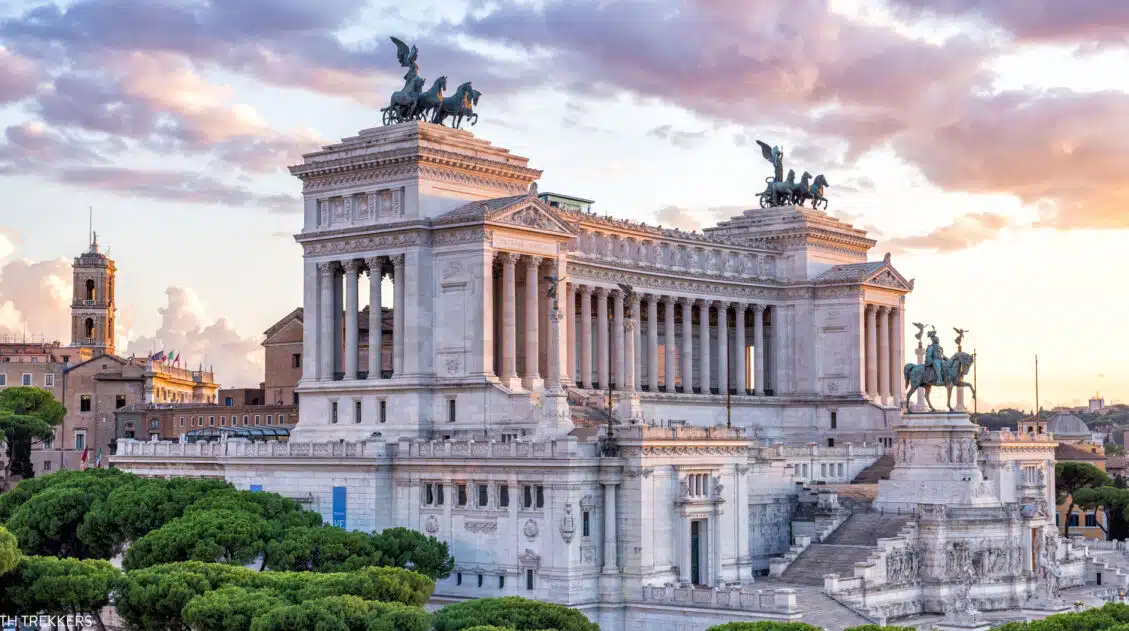
Ancient Rome is anchored by the Colosseum, Roman Forum, and Palatine Hill. These sites tell a connected story, so visiting them together provides more context than treating the Colosseum as an isolated monument.
Vatican City contains St. Peter’s Basilica, St. Peter’s Square, and the Vatican Museums. The museums are extensive, and the route toward the Sistine Chapel passes through galleries containing classical sculpture, tapestries, maps, and Renaissance rooms.
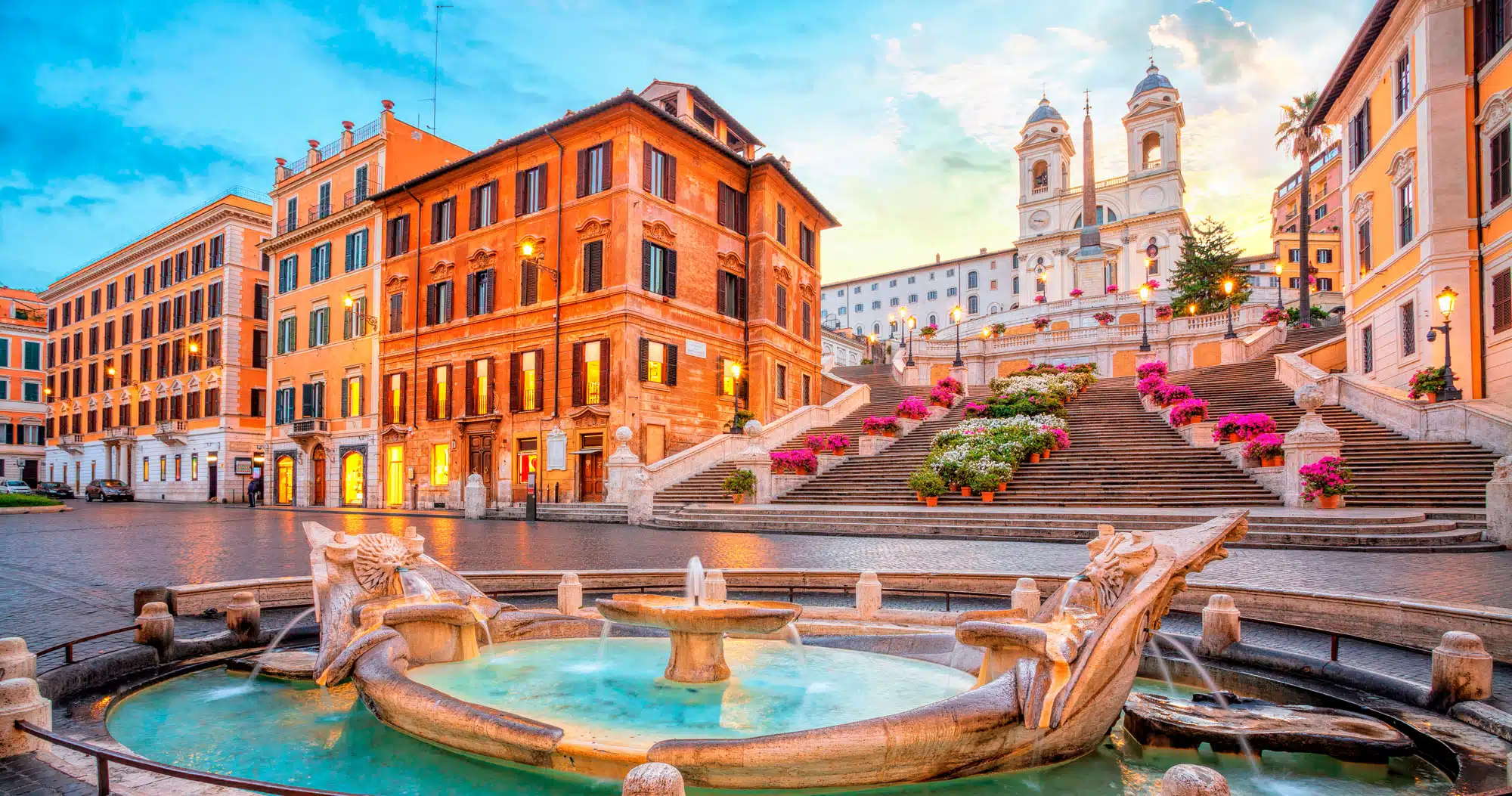
The Pantheon, Piazza Navona, Trevi Fountain, and Spanish Steps can be combined on a walk through the historic center. Trastevere is particularly pleasant in the evening, while the Appian Way and nearby catacombs offer a different perspective on the city.
Three days is a reasonable minimum. Four days allows better pacing and time for neighborhoods, churches, museums, or the Appian Way. Reserve timed attractions early, but leave unscheduled periods for wandering between fountains, piazzas, cafés, and archaeological remains.
Southern Italy and the Islands
Southern Italy usually moves at a different rhythm. Distances may take longer to cover, public transportation may require more connections, and daily plans benefit from additional flexibility. In return, the south offers energetic cities, archaeological sites, dramatic coastlines, distinctive food, and strong regional identities.
Naples, Pompeii, and the Amalfi Coast
Naples is lively, layered, and sometimes chaotic. Its historic center contains churches, underground spaces, markets, crowded streets, and some of Italy’s most famous pizza. The National Archaeological Museum provides important context for Pompeii and Herculaneum.
Pompeii can occupy most of a day. The ancient city is much larger than many visitors expect, and its streets, houses, baths, temples, theaters, and public buildings are exposed to the weather. Herculaneum is smaller but contains exceptionally preserved structures.
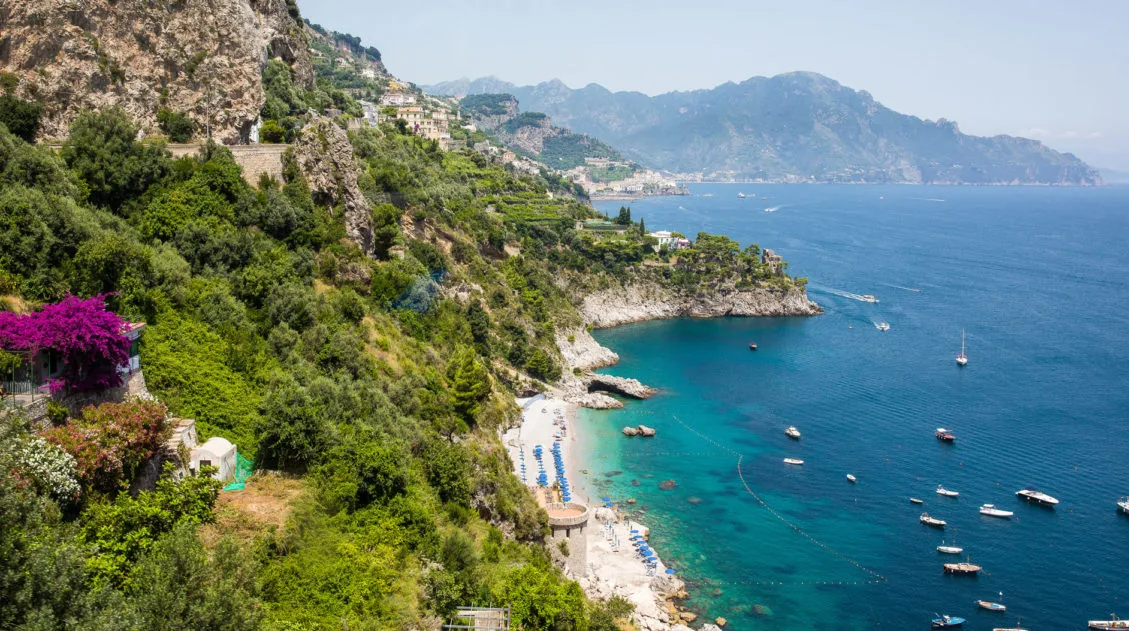
Sorrento is a practical base for the Bay of Naples and the western side of the Amalfi Coast. Ferries connect it seasonally with Naples, Capri, and coastal towns. Capri’s coastal scenery, walking routes, gardens, and boat trips justify a full day, although the island becomes crowded at peak times.
The Amalfi Coast includes Positano, Amalfi, Ravello, and numerous smaller communities. Roads are narrow and frequently congested. Ferries offer beautiful views when seas and seasonal schedules permit, while buses provide an inexpensive but often crowded alternative. Private drivers are costly but can simplify complex travel days.
Three or four nights works for a brief coastal visit. Five nights provides more flexibility for Capri, Pompeii, hiking, swimming, and weather-related changes.
Matera and Basilicata
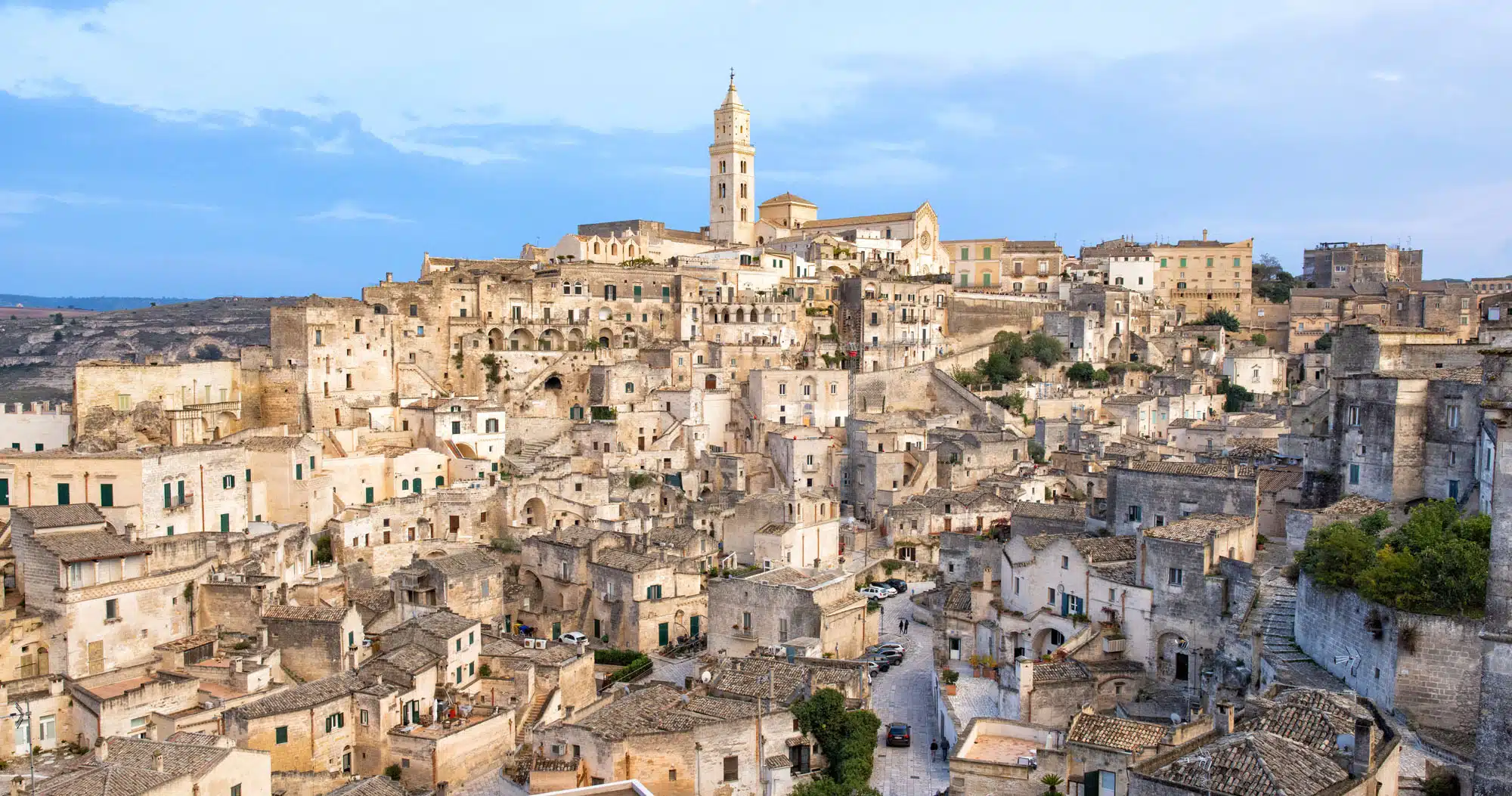
Matera is one of southern Italy’s most distinctive cities. Its historic districts, known as the Sassi, developed among natural caves and stone structures cut into the ravine.
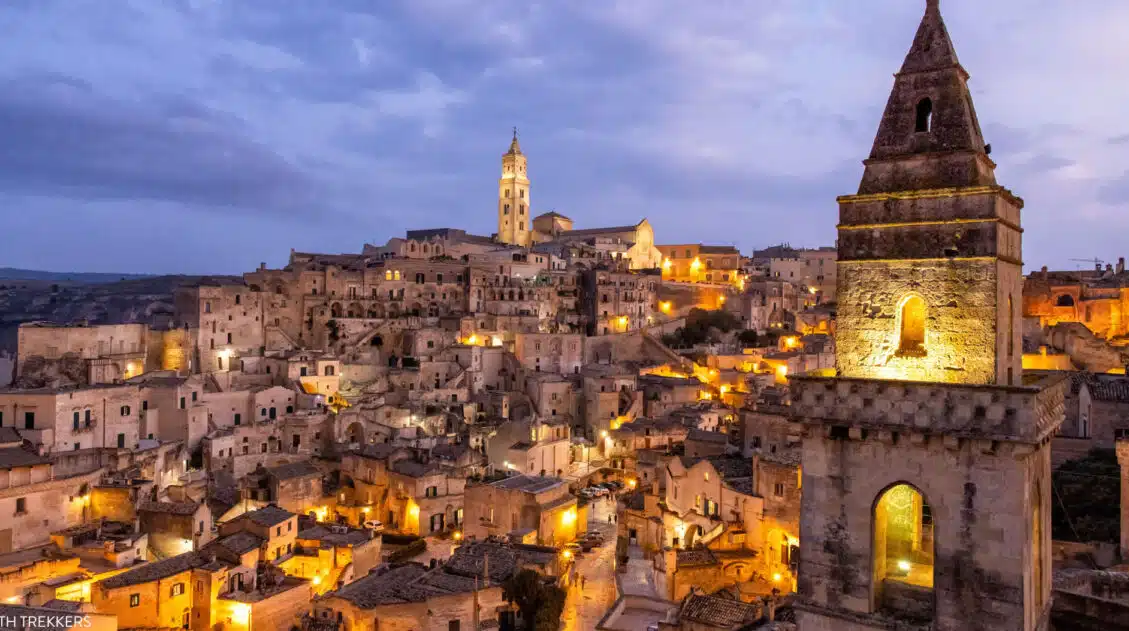
Walking through Matera reveals rock churches, layered houses, stairways, terraces, and viewpoints across the gorge. Spending the night is worthwhile because the stone city changes dramatically after sunset.
Elsewhere in Basilicata, Castelmezzano and Pietrapertosa sit among sharp mountain formations. These villages suit travelers looking for hiking and a quieter rural experience.
Matera combines naturally with Puglia, but public transport may be slower than expected. A rental car simplifies travel through this part of southern Italy.
Puglia
Puglia forms the heel of the Italian peninsula. Its landscape includes ancient olive groves, limestone villages, sea cliffs, sandy beaches, and small towns built around historic centers.
Alberobello is known for its conical-roofed trulli. Nearby Locorotondo, Cisternino, and Martina Franca provide a broader view of the Valle d’Itria and often feel calmer.
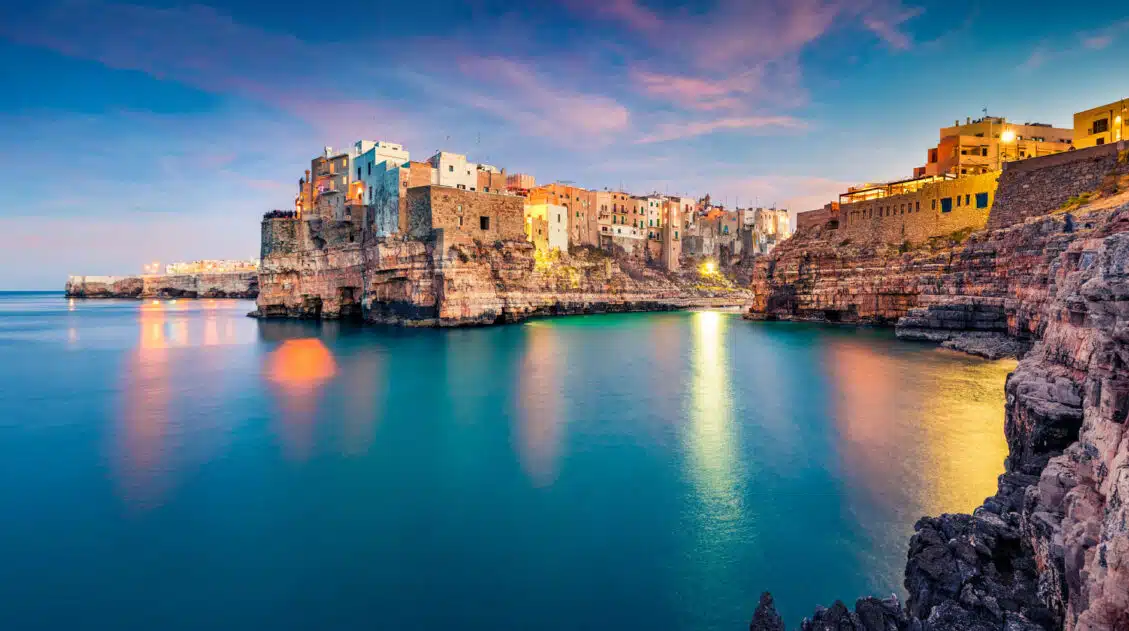
Polignano a Mare occupies cliffs above the Adriatic, while Monopoli combines a harbor, old town, and nearby beaches. Farther south, Lecce is celebrated for elaborate Baroque architecture. Otranto and Gallipoli make useful coastal stops.
The Gargano Peninsula in northern Puglia has forests, coves, and towns such as Vieste. Because Puglia stretches over a long distance, trying to cover the entire region from one base creates excessive driving.
Allow at least four or five days. A week makes it possible to combine the Valle d’Itria, Lecce, and one coastal area without rushing.
Sicily
Sicily is large enough to support an entire two-week journey. Its history reflects Greek, Roman, Arab, Norman, Spanish, and Italian influences, and those layers remain visible in its architecture and food.
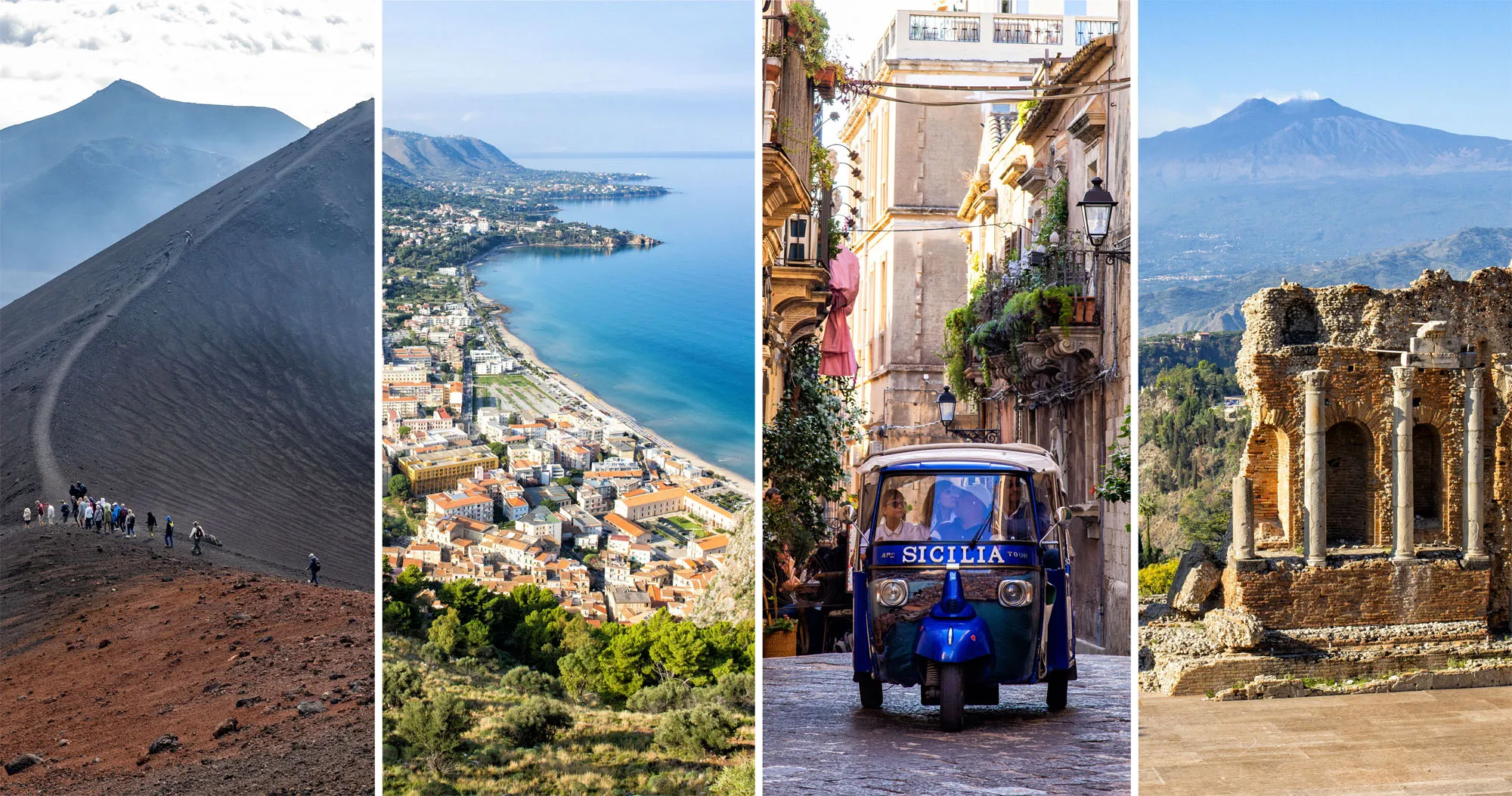
Palermo is an intense introduction to the island, with street markets, churches, palaces, mosaics, and nearby Monreale Cathedral. Cefalù combines a historic center, beach, and dramatic rocky backdrop.
Western Sicily offers coastal scenery, salt pans, archaeological sites, and towns such as Trapani and Erice. Near the southern coast, the Valley of the Temples at Agrigento contains some of the most impressive surviving Greek structures outside Greece.
Southeastern Sicily is known for the Baroque towns of Noto, Modica, and Ragusa. Syracuse and the island district of Ortigia combine Greek remains, elegant streets, sea views, and lively evening squares.
Taormina overlooks the coast from a hillside setting and contains an ancient theater with views toward Mount Etna. The volcano can be experienced through guided excursions, cable-car access, lower hiking areas, or scenic drives, depending on weather and volcanic conditions.
Trains and buses connect major places, but a car provides greater freedom outside the main cities. Avoid bringing a vehicle into dense historic centers whenever possible.
Sardinia
Sardinia is best treated as a separate journey rather than an addition to a fast mainland itinerary. The island is known for clear water, distinctive rock formations, mountain landscapes, archaeological sites, and long stretches of coast.
The Costa Smeralda is the most famous area, but Sardinia also offers quieter beaches, traditional inland villages, the Gulf of Orosei, the Sinis Peninsula, and the historic cities of Cagliari and Alghero.
A car is highly useful. Spend at least five days in one part of the island; seven to ten days makes a broader road trip realistic.
Experiences That Define an Italian Journey
Beyond individual destinations, certain experiences capture the variety of Italy especially well.
- Walk through ancient Rome. Explore the Colosseum, Forum, and Palatine Hill as parts of one archaeological landscape.
- See the Vatican’s artistic legacy. Combine the museums and Sistine Chapel with St. Peter’s Basilica, allowing enough time for security lines and long interior routes.
- Meet Florence’s Renaissance masters. The Uffizi and Accademia reward advance planning, while the city’s churches and public squares make art part of an ordinary walk.
- Climb above Florence. Brunelleschi’s dome, Giotto’s Bell Tower, and Piazzale Michelangelo provide three very different views.
- Travel through Tuscany slowly. Stop in hill towns, follow rural roads through the Val d’Orcia, and avoid measuring the day only by the number of villages visited.
- Hike between Ligurian villages. When trails are open, walking above Cinque Terre reveals terraces and coastlines that remain hidden from the train.
- Get lost in Venice. The best discoveries often appear after leaving the main pedestrian route and entering the quieter neighborhoods.
- Cross Lake Como by ferry. The water provides the most natural perspective on the villages, mountains, and historic villas.
- Stand beneath the Dolomites. Whether hiking, skiing, or riding a cable car, the scale of the limestone peaks is the region’s defining experience.
- See Leonardo’s The Last Supper. Milan’s famous mural requires planning because visitor capacity is tightly controlled.
- Eat through Emilia-Romagna. Bologna, Parma, and Modena demonstrate how strongly Italian food is connected to place and traditional production.
- Walk the streets of Pompeii. The ancient city becomes most powerful when you look beyond its celebrated buildings and imagine its ordinary homes and businesses.
- Approach the Amalfi Coast from the sea. Seasonal ferries reveal the vertical relationship between cliffs, villages, roads, and water.
- Sleep among Matera’s stone districts. An overnight stay lets you experience the Sassi after the day’s visitors have left.
- Explore the towns of Puglia. Trulli, masserie, whitewashed lanes, Baroque façades, and fishing harbors create a landscape unlike northern or central Italy.
- Trace Sicily’s layered history. Greek temples, Norman mosaics, Arab-influenced food, and Baroque towns show how many cultures have shaped the island.
Itineraries That Work
Once you have selected your priorities, arrange destinations in a continuous geographical direction. Avoid routes that repeatedly cross the country or require returning to the same transport hub.
Seven Days: Rome, Florence, and Venice
- Days 1–3: Rome
- Days 4–5: Florence
- Days 6–7: Venice
Use high-speed trains between the cities. This route moves quickly, so reserve central accommodation and avoid adding day trips. If your international flight arrives early or departs late, keep that day relatively light rather than assigning a major museum visit.
Ten Days: The Classic Route With Tuscany
- Days 1–3: Rome
- Days 4–6: Florence, including one Tuscan excursion
- Days 7–8: Cinque Terre
- Days 9–10: Venice
This itinerary combines three essential cities with a rural or coastal experience. For a slower trip, remove Cinque Terre and divide the extra nights between Florence, Tuscany, and Venice.
Ten Days in Northern Italy
- Days 1–2: Milan
- Days 3–4: Lake Como
- Day 5: Verona
- Days 6–8: Dolomites
- Days 9–10: Venice
A car is useful from Verona or Venice for the Dolomites, but it should be returned before entering Venice. Mountain conditions make this route most practical during the warmer hiking season or as a dedicated winter-sports journey.
Ten Days in Southern Italy
- Days 1–2: Naples
- Day 3: Pompeii
- Days 4–6: Sorrento and the Amalfi Coast
- Day 7: Matera
- Days 8–10: Puglia
This route becomes easier with a car after leaving Campania. If you want a beach-focused holiday, shorten Naples and Matera and devote more time to the Puglian coast.
Fourteen Days: First-Time Highlights
- Days 1–3: Rome
- Days 4–6: Florence and Tuscany
- Days 7–8: Cinque Terre
- Days 9–10: Milan or Lake Como
- Days 11–12: Verona or the Dolomites
- Days 13–14: Venice
This itinerary covers a great deal of northern and central Italy. Travelers who dislike frequent transfers should remove Milan, Verona, or Cinque Terre and add those nights to the remaining stops.
An alternative two-week route replaces northern Italy with Naples and the Amalfi Coast:
- Rome: 3 nights
- Florence and Tuscany: 4 nights
- Venice: 2 nights
- Naples or Sorrento: 2 nights
- Amalfi Coast: 3 nights
Because Venice and Campania are far apart, this version may require a domestic flight or a long train journey.
Fourteen Days in Sicily
- Days 1–2: Palermo and Monreale
- Day 3: Cefalù
- Days 4–5: Western Sicily
- Day 6: Agrigento
- Days 7–9: Ragusa, Modica, and Noto
- Days 10–11: Syracuse and Ortigia
- Days 12–14: Taormina and Mount Etna
Keep the final night near your departure airport if you have an early flight. The island’s roads and historic centers can make travel days slower than distance alone suggests.
When to Visit Italy
Spring and autumn generally offer the best balance of weather, daylight, and manageable visitor numbers, but the ideal season depends on the region.
Spring
April and May are excellent for Rome, Florence, Venice, Tuscany, Umbria, Sicily, and Puglia. Landscapes are green, temperatures are usually comfortable for walking, and the most intense summer heat has not arrived.
Mountain hiking remains limited early in the season. Snow may cover high Dolomite trails, and many lifts or huts may not yet be operating.
Easter, public holidays, and long weekends can produce heavy demand even outside summer.
Summer
June offers long days and increasingly reliable mountain access. July and August are the busiest and hottest months in many cities, especially Rome, Florence, Bologna, Naples, and inland Sicily.
Summer is appropriate for the Dolomites, northern lakes, Sardinia, and beach destinations, but accommodation prices rise sharply. Coastal roads, ferries, and popular villages can become crowded.
August has special challenges. Italians take holidays around Ferragosto, some city businesses close, and seaside destinations reach their seasonal peak.
Autumn
September often combines warm weather with fewer families traveling after the school holidays. The sea remains suitable for swimming in many southern regions, while cities become more comfortable.
October can be beautiful in Tuscany, Umbria, Rome, Sicily, and Puglia. Rain becomes more likely in northern Italy, and seasonal services in mountain and coastal destinations begin to close.
Winter
Winter brings lower visitor numbers to Rome, Florence, Venice, and many art cities. Shorter days and colder weather are offset by easier museum visits and, outside holiday periods, more affordable accommodation.
The Dolomites enter ski season, while some seaside towns become extremely quiet. Mountain passes, trails, ferries, and seasonal hotels may have limited service.
Venice’s winter atmosphere can be memorable, but cold, fog, rain, and high-water events should be considered. Christmas, New Year, and Carnival create temporary peaks in demand.
Practical Planning
Practical decisions determine how relaxed an Italian journey feels. Transport, accommodation location, reservations, and realistic transfer times are as important as the destination list.
Traveling by Train
High-speed trains are the best choice between major cities such as Rome, Florence, Bologna, Milan, Naples, Turin, and Venice. They are usually faster and simpler than flying once airport transfers and security time are included.
Intercity and regional trains connect smaller destinations, although regional services may be slower and require changes. Cinque Terre, for example, is well served by local trains, while the Tuscan countryside is less convenient without a car.
Check schedules and purchase tickets through Trenitalia’s official website or the relevant authorized rail operator. High-speed fares often increase as the travel date approaches, while many regional tickets remain fixed-price.
Allow time to locate the correct station. Cities may have several, and similarly named stations can be far apart.
Renting a Car
A car is most useful in Tuscany, Umbria, the Dolomites, Puglia, Basilicata, Sicily, and Sardinia. It is generally unnecessary—and frequently inconvenient—in Rome, Florence, Venice, Milan, Naples, and Bologna.
Many historic centers have restricted-traffic zones known as ZTLs. Cameras record license plates, and unauthorized entry can result in fines that arrive long after the trip. Choose hotels with clear parking instructions and never assume that following another vehicle means entry is permitted.
Small cars are easier on narrow streets and rural roads. Confirm whether your license requires an International Driving Permit, review insurance terms, and document existing vehicle damage before departure.
Avoid planning a long drive immediately after an overnight flight. Italian motorways may be straightforward, but fatigue, toll systems, city traffic, and unfamiliar signage add unnecessary risk.
Ferries and Coastal Transport
Ferries are useful around Lake Como, Venice, the Bay of Naples, the Amalfi Coast, Sicily, and Sardinia. Schedules vary by season and may be affected by weather.
Do not build an important flight connection around the final ferry of the day. When traveling to an island, spend the last night on the mainland or near the airport if cancellation would jeopardize your departure.
On the Amalfi Coast, combine ferries, buses, and occasional private transfers rather than relying entirely on a rental car.
Entry Requirements
Entry rules depend on nationality, passport type, length of stay, and the countries visited before Italy. Many visa-exempt travelers are limited to 90 days within a 180-day period across the Schengen Area, but this should be verified for your specific passport.
The EU’s Entry/Exit System became fully operational at participating external border crossings on April 10, 2026. It electronically records eligible non-EU travelers and may collect facial images and fingerprints. Review the current process on the official EES website.
ETIAS requirements and implementation details can change. Travelers who normally visit visa-free should check the official ETIAS portal shortly before departure rather than relying on an older travel article.
What to Reserve First
Book the least flexible parts of the trip before filling the daily schedule. Priorities commonly include:
- International flights
- Accommodation in small or high-demand destinations
- The Colosseum and associated archaeological sites
- Vatican Museums
- Uffizi Gallery and Accademia Gallery
- Florence cathedral climbs
- Leonardo’s The Last Supper
- St. Mark’s Basilica and the Doge’s Palace
- Popular guided tours and seasonal ferries
- Dolomite mountain huts or limited-access transport
- Special restaurants with very small dining rooms
Official sales channels are preferable whenever practical. Third-party listings sometimes disguise guided-tour packages as ordinary entrance tickets or charge substantial booking fees.
Where to Stay
In large cities, a central location can save several hours over the course of a visit. The least expensive hotel may not be good value if it requires long journeys at the beginning and end of every day.
Near major stations, examine the immediate neighborhood rather than judging convenience only by distance. Stations simplify early departures, but atmosphere and evening comfort vary from street to street.
In rural regions, agriturismi and converted farmhouses provide a different experience from city hotels. Check whether dinner is offered and whether reaching the property requires a car.
Venice deserves particular attention. Staying on the historic islands creates a different experience from sleeping in Mestre on the mainland, although mainland hotels can be more affordable and easier for drivers.
Food and Daily Rhythm
Italian food is intensely regional. Rather than searching for the same familiar dishes everywhere, look for local specialties.
Rome is associated with pastas such as carbonara, amatriciana, and cacio e pepe. Florence is known for Tuscan soups, grilled meats, and simple dishes based on bread and beans. Bologna offers fresh pasta and rich meat sauces, while Naples is central to pizza traditions.
Liguria is associated with pesto and focaccia. Puglia uses orecchiette, vegetables, olive oil, and seafood. Sicily’s food reflects Mediterranean, Arab, Spanish, and Norman influences, with dishes that combine citrus, nuts, seafood, eggplant, and sweet spices.
Meal times may be later than some visitors expect. Many restaurants close between lunch and dinner, and kitchens may not open for the evening until around 7:00 or 7:30 p.m.
Packing and Comfort
Comfortable walking shoes are essential. Historic centers contain cobblestones, uneven paving, stairways, steep lanes, and long museum routes.
Churches may require shoulders and knees to be covered. A light scarf or additional layer is useful during warm weather.
Summer travelers should carry sun protection and refillable water bottles. Winter visitors need layers because outdoor temperatures, museums, churches, and older accommodation may feel very different.
For the Dolomites and other mountain regions, pack for rapid weather changes even in summer. A clear morning does not guarantee a dry afternoon.
Leave Space in the Schedule
Italy’s most memorable moments are not always reservable. They may come from an evening walk after dinner, a quiet church discovered between major sights, a village market, or an unexpected view from a train.
Build each day around one or two priorities. Everything else can remain flexible. This makes delays less stressful and gives you time to notice the details that distinguish one region from another.
Final Thoughts
Italy cannot be reduced to a single perfect itinerary. Rome alone could fill a week, while Sicily, Sardinia, Tuscany, Puglia, and the Dolomites each deserve journeys of their own.
For a first visit, Rome, Florence, and Venice provide an excellent introduction. Add one regional experience—Tuscany, Cinque Terre, Lake Como, the Dolomites, or the Amalfi Coast—if time permits.
On later trips, travel more slowly and focus on one part of the country. Explore the villages surrounding Bologna, drive through Umbria, follow the coast of Puglia, or devote two weeks to Sicily.
The goal is not to finish Italy. It is to create a journey with enough structure to run smoothly and enough space to feel spontaneous. For destination updates and regional planning resources, consult Italy’s official tourism website as your travel dates approach.