









PORTABLE STORAGE · MOBILE CREATORS
Lexar’s remarkably thin Muse SSD is designed around iPhone video rather than server demand, but its elegant magnetic system replaces universal USB-C convenience with a proprietary cable.
Memory companies spent much of 2026 discussing data centers, not the person carrying a camera phone. Pocket drives and enterprise SSDs may use flash cut from the same wafers, yet enormous server contracts increasingly determine where that supply goes. At IFA, Lexar made a conspicuously consumer-focused argument for keeping high-speed storage close to ordinary creators. That competition is changing what reaches stores and what buyers eventually pay.
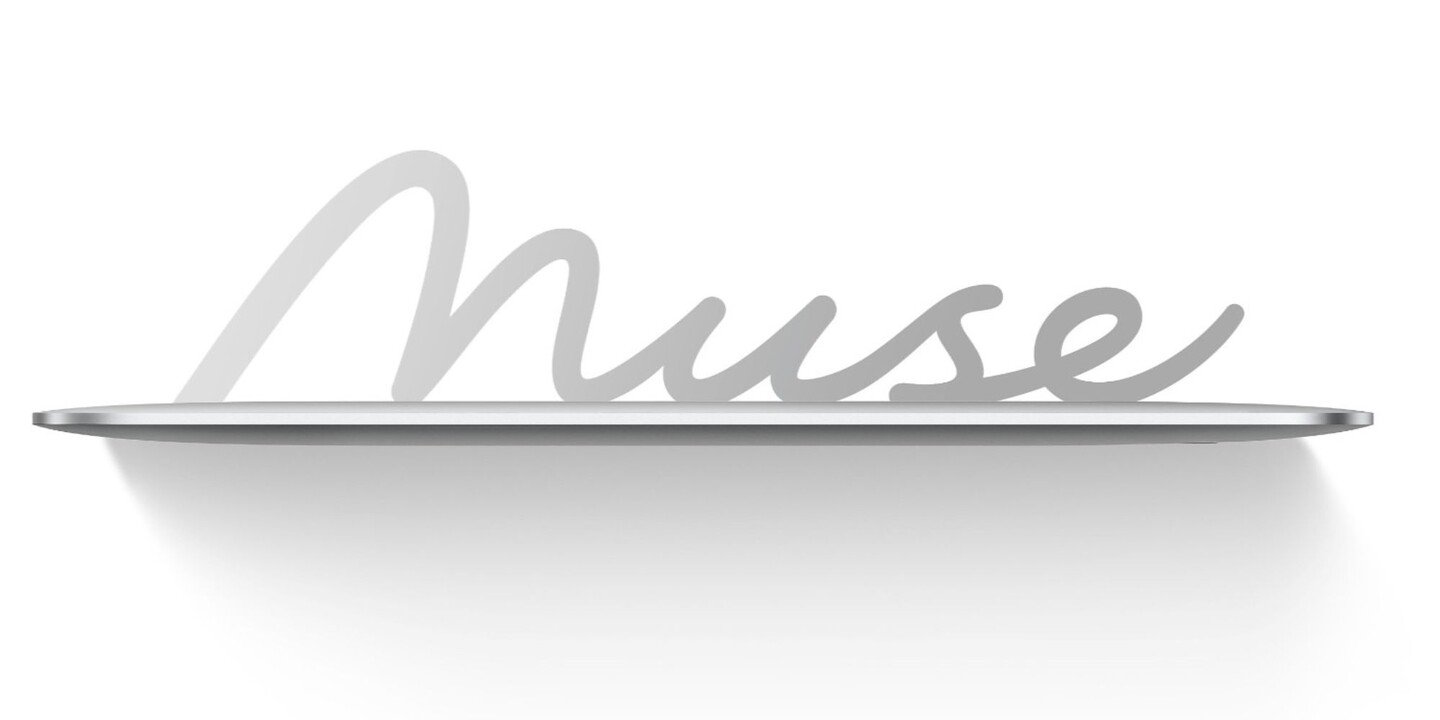
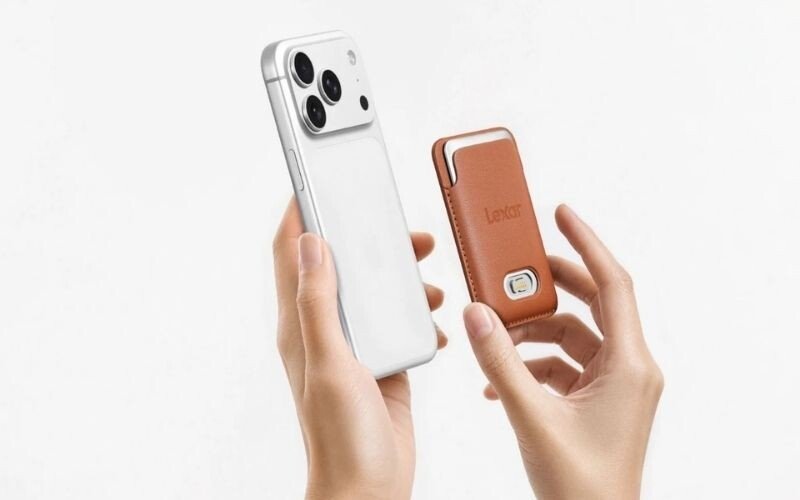
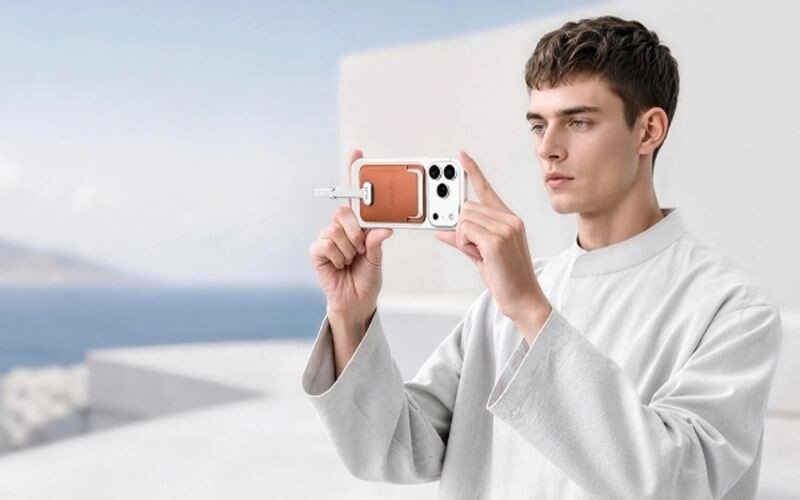
The result is the Muse Ultra-Slim Portable SSD, promoted as the thinnest portable SSD in the world. Its card-like aluminum body slips into a magnetic sleeve, attaches behind a MagSafe iPhone and reaches the phone through a dedicated magnetic cable. The intended jobs are direct mobile recording, travel backups and moving footage without returning to a desk. It is meant to feel like a phone accessory, not desktop equipment.
That focus solves a real ergonomic problem. A thick battery already changes how a phone sits in your hand; a bulky SSD is equally distracting while filming. Muse tries to reduce that weight and leverage, although its clean outline depends on removing the familiar USB-C socket. Lose Lexar’s special cable and the elegant solution suddenly becomes unusable. The tradeoff is portability purchased with a small new dependency.
An SSD Built Like a Card
The body measures 80 × 48 × 3.8 millimeters, but that final number describes only its thick central area. At the perimeter, Muse narrows to one millimeter, producing the blade-like profile shown in Lexar’s photography. A solid aluminum unibody removes visible seams, while a custom slim circuit board and densely stacked NAND reclaim internal space. Its proportions are closer to a payment card than a conventional drive.
For comparison, Lexar’s already compact SL500 is roughly 0.3 inches thick, and Corsair’s MagSafe-equipped EX400U reaches 0.47 inches. On a desktop, those differences are trivial. Attached to a phone that must remain comfortable and balanced during a long handheld shot, every fraction matters. Muse’s thinness has a practical purpose rather than existing only for a specification sheet. That difference becomes obvious after several minutes of one-handed filming.
The Cable Is the Catch
Lexar replaces a built-in USB-C port with its PogoPin connection. The bundled SnapLink cable uses spring contacts and N52 neodymium magnets to settle into position. When the cable is packed and the contacts align, it is a tidy arrangement. Without that one accessory, however, the drive is simply an attractive aluminum card with no ordinary way to connect. The design therefore turns one replaceable cable into essential hardware.
The company has not published a magnetic pull-strength rating. That omission matters less beside a laptop than it does with the SSD suspended from a moving phone. Before trusting a lengthy transfer or an important recording, I would want evidence that a bump, cable tug or quick change of grip cannot interrupt the link.
This is not the first ultra-thin device to exchange USB-C for pogo pins. Xteink made the same decision with its X4 Pro pocket e-reader and included an adapter to compensate. The approach protects a slim silhouette, but it also creates another small, unique component for a camera bag. Proprietary accessories have an unfortunate talent for being forgotten precisely when they are needed.
The mounting system introduces another contradiction. Muse cannot connect magnetically to an iPhone until it is inside the sleeve, so the record-setting bare drive becomes thicker during actual use. The sleeve’s N52 magnets should provide accurate placement and steady alignment, but the complete shooting setup will never look quite as impossibly thin as the standalone product. The sleeve is necessary, not merely protective packaging or decoration.
Fast Enough for ProRes
Muse does not support USB4. Lexar rates sequential reads at up to 1,050 MB/s and writes at up to 1,000 MB/s, placing it in the 10 Gbps USB class. A USB4 rival such as Corsair’s EX400U can exceed 3,200 MB/s, a meaningful lead when transferring a large archive. For recording straight from a phone, Muse’s lower ceiling should still be sufficient.
Compatible iPhones can send Apple ProRes video directly to the drive at resolutions and frame rates reaching 4K at 120 fps. That use case explains the entire shape: one minute of 10-bit HDR ProRes 4K footage at 30 fps consumes about 6 GB, rapidly overwhelming internal phone storage. Lexar also promises automatic photo and video backup through its app, though the exact workflow remains unclear. Mobile use requires USB-C, limiting compatibility to the iPhone 15 family or newer rather than older Lightning models.
Sustained speed is the unresolved question. A 3.8-millimeter enclosure has little material for spreading heat, and an extended ProRes session could warm it quickly. Lexar advertises peak numbers without saying how long they survive under continuous load, so independent testing will be essential. Muse is expected late in the year with 512 GB and 1 TB capacities; pricing has not been announced.
Beyond Muse: Gen5 and AI
Behind the slim consumer product, Lexar displayed the storage technologies serving today’s more profitable AI market. Its AI Storage Core includes a Gen5 SSD and compact Gen5 storage stick, each quoted at as much as 11 GB/s. They are intended for small AI systems that store local models and must exchange them rapidly. Longsys supplies a DRAM-less Gen5 SPU controller manufactured on a five-nanometer process.
Luma Bridge approaches the same bottleneck through software. Workload scheduling and predictive prefetching are supposed to reduce the DRAM required by an AI task, with Lexar claiming savings of 40 percent. That figure needs independent verification. Still, the logic is credible: Mixture-of-Experts models and expanding KV caches can overwhelm affordable machines, so strategically using fast storage to relieve memory pressure could widen access to local AI.
The booth also contained less glamorous products that may generate dependable revenue. Lexar supplies client SSDs to computer manufacturers and endurance-oriented USB drives for dashcams. Electric vehicles running continuous loop recording or parked surveillance place relentless write demands on storage. Such devices lack Muse’s visual drama, but mundane, high-volume components often support the experimental products that receive the headlines.
A Consumer Bet in a Server Market
Thirty years after Lexar began in California, choosing a phone accessory as an anniversary flagship says something important. Counterpoint Research reported that enterprise SSDs represented 48 percent of NAND bits shipped in the second quarter of 2026, compared with 26 percent one year earlier. Servers were expected to pass half of all shipped bits before year-end. Capacity committed to data centers cannot simultaneously become affordable retail drives, helping push consumer prices upward.
Micron reinforced that shift by closing its 29-year consumer storage operation and directing supply toward data centers. The trend leaves less room for companies building compact, fast drives for phones and cameras. Lexar believes creators still want a product like Muse; its industrial design makes that argument convincingly. What Berlin did not reveal is whether enough units can be produced, and whether the eventual price will make the proprietary-cable compromise feel reasonable.