












HEADPHONES · LEAK ANALYSIS
Before Sony confirmed its revived XM4 design, two leaks described a cheaper WH-1000XM4C with familiar strengths, a few conspicuous cuts and one unexplained letter.
Sony’s headphone names have never been friendly, but the WH-1000XM4C made the system even stranger. When the reports first appeared, the extra letter was attached to a design launched in 2020, without a clear explanation of what had changed. Two independent leaks pointed toward the same idea: Sony was preparing to return an old favorite to shelves at a lower price.
That possibility was more interesting than the name. The original XM4 remained popular after newer models replaced it, partly because its folding shape, comfort and durability still appealed to travelers. A reissue could answer that demand, although the leaked specifications suggested the comeback would not be identical.
The Letter That Explains Almost Nothing
Sony already asks shoppers to decode WH for over-ear models, WF for earbuds and ULT for bass-focused products. Its 1000X line stretches across several generations and special editions. Adding C to XM4 said little about performance, position or the compromises required to reduce the price.
The simplest theory was cost. Sony positioned the XM6 as its flagship in the range and continued selling the XM5, leaving room for a recognizable model below both. Reviving an existing shell could be cheaper than designing another midrange headphone from scratch, while the XM4 reputation supplied instant familiarity.
A Lower Price Needs Context
Cost was the headline advantage. The European leak placed the XM4C at €249.99, far below the €379 launch price of the original XM4. That comparison looked dramatic, but it paired a proposed 2026 reissue with the list price of a six-year-old product no longer sold new.
The more useful comparison was the rest of Sony’s current range. A September release would put the XM4C into stores before holiday discounts, when Bose, Soundcore and Sony itself routinely cut prices. The number could feel aggressive at launch and much less special once established models entered seasonal sales.
The Savings Show Up in Hardware
The first visible deletion was NFC. Leaked photographs lacked the familiar logo on the left earcup, implying that tap-to-pair had been removed. That is a reasonable place to save money because most owners pair through Bluetooth menus, although it makes the C model less complete than its predecessor. Core hardware appeared largely unchanged. The reported weight stayed at 253 grams, while 40-millimeter drivers and a 4–40,000 Hz frequency range matched the old design. Those numbers supported the idea of a careful refresh rather than a fundamentally new headphone.
Battery life was the more noticeable sacrifice. The leaked figures promised 34 hours without active noise cancellation and 27 hours with it. The original XM4 offered 38 and 30 hours respectively, meaning the cheaper return would surrender four hours in one mode and three in the other. For frequent flyers, that difference looks modest on paper but could determine whether a charger joins the packing list before yet another long trip away from home.
I would miss endurance before NFC. Pairing is usually a one-time inconvenience, while a shorter battery becomes relevant whenever headphones are packed for travel without being charged. A large over-ear model earns part of its appeal by making power easy to forget.
One New Radio, Many Old Strengths
Most of the feature list reportedly carried over: LDAC, Ambient Sound, Sony’s QN1 processor, Speak-to-Chat, Adaptive Sound Control, two-device multipoint, 360 Reality Audio and app-based equalization. A three-minute charge was still expected to provide roughly sixty minutes of listening.
Bluetooth 6.0 was the clear generational change. Yet the leaks did not explain whether the headphone supported LE Audio or the LC3 codec. That omission mattered because lower latency could make a relatively affordable Sony model more attractive for televisions, handheld consoles and video.
Color Does More Work Than Expected
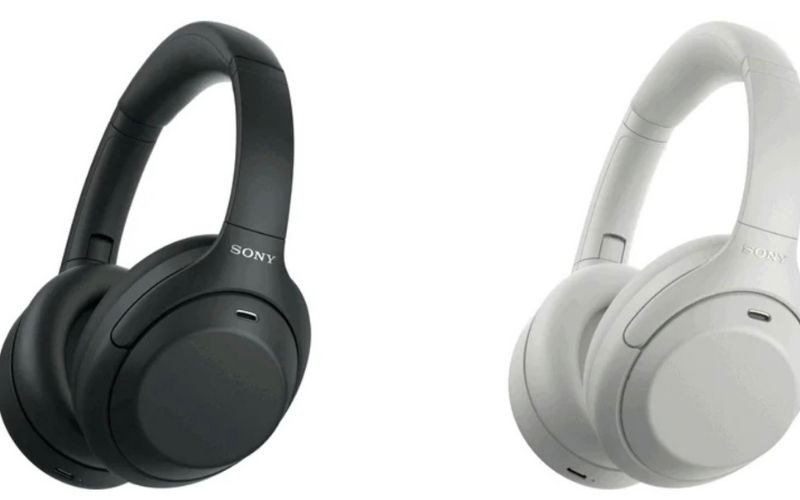
The two reports disagreed about finishes. One named Platinum Silver, Black and Lavender; the other showed black, deep purple and white headphones. Regional color ranges could explain both accounts, or Sony may simply have adjusted the selection between the documents and photography.
Lavender was the most revealing option either way. The original XM4 used restrained, businesslike colors. A visible purple finish at a lower price suggested Sony wanted younger, more style-conscious buyers as well as travelers replacing an older pair.
Sony’s Own Lineup Is the Problem
However, Sony’s back catalog made the leaked price awkward. European promotions had brought the XM6 close to €300 and sometimes pushed the XM5 below €200. If those discounts returned, a shopper could find newer technology above or below the proposed XM4C price.
Build quality provided the strongest counterargument. Owners continued praising the XM4’s folding construction while online complaints focused on damaged hinges in later generations. Bringing the older chassis back could reflect more than nostalgia; Sony may have recognized that customers still trusted its practical design.
What the Early Reports Could Not Settle
Uncertainty defined the original story. At that stage Sony had not announced the WH-1000XM4C or confirmed the European price. The two sources agreed about the broad specification and timing but differed on colors, while neither established whether the noise-canceling hardware matched the 2020 version.
The XM4 had earned years of goodwill as an accessible noise-canceling recommendation. Reviving it made sense if Sony preserved the comfort, sound and sturdy folding mechanism people remembered. It made less sense if the lower price came from trimming the qualities that created that reputation.
That was the real meaning hidden behind the C. A familiar shell could stand for cost, compromise or simply another commercial life. The answer depended on details the leaks could not supply: final tuning, noise cancellation, codecs and street pricing beside Sony’s newer models.