










WEARABLES · CONNECT 2026
Meta’s latest glasses, pocket assistant, and lighter VR system make a confident case for ambient AI—while leaving the hardest questions about usefulness, price, and trust unresolved.
Meta Connect 2026 ended with enough hardware to fill several product cycles. Meta unveiled Ray-Ban Meta Gen 3, the camera-free Ray-Ban Meta Audio, more Meta Glasses styles, and Meta VR Glasses, a lighter approach to immersive computing. Although the products serve different moments, they share one purpose: moving Meta AI out of an app and into objects people can keep close all day.
Muse Charm carries the same idea beyond eyewear. This pocket device keeps the company’s personal agent within speaking distance whenever glasses are impractical. Taken together, the expanded frame catalog, dedicated assistant, and redesigned VR system reveal Meta’s bet: AI should accompany work, errands, entertainment, and conversation. That vision is technically coherent. Whether people actually want such constant access is a much less settled question. Convenience alone may not be enough to earn that intimacy.
Meta Now Has a Pair for Everyone
More choice is Meta’s first answer to hesitation. The company expects its glasses range to exceed 100 versions before the year ends, turning an experimental product into a consumer accessories business.
Entry-level Meta Glasses gain Capri and Nova shapes. Kylie Jenner and Blackpink Lisa collaborations cost $399 each, while Adventurer starts at $249. Silhouettes and colors can reach people who would not choose that frame.
That breadth matters because smart glasses have seemed designed for a mostly male audience. Wearables chief Alex Himel said the Kylie release attracted younger and more female buyers. Style may widen adoption, but fit matters: oversized frames will not become companions for people with smaller faces, regardless of software.
Camera-Free Glasses Make the Strongest Case Here
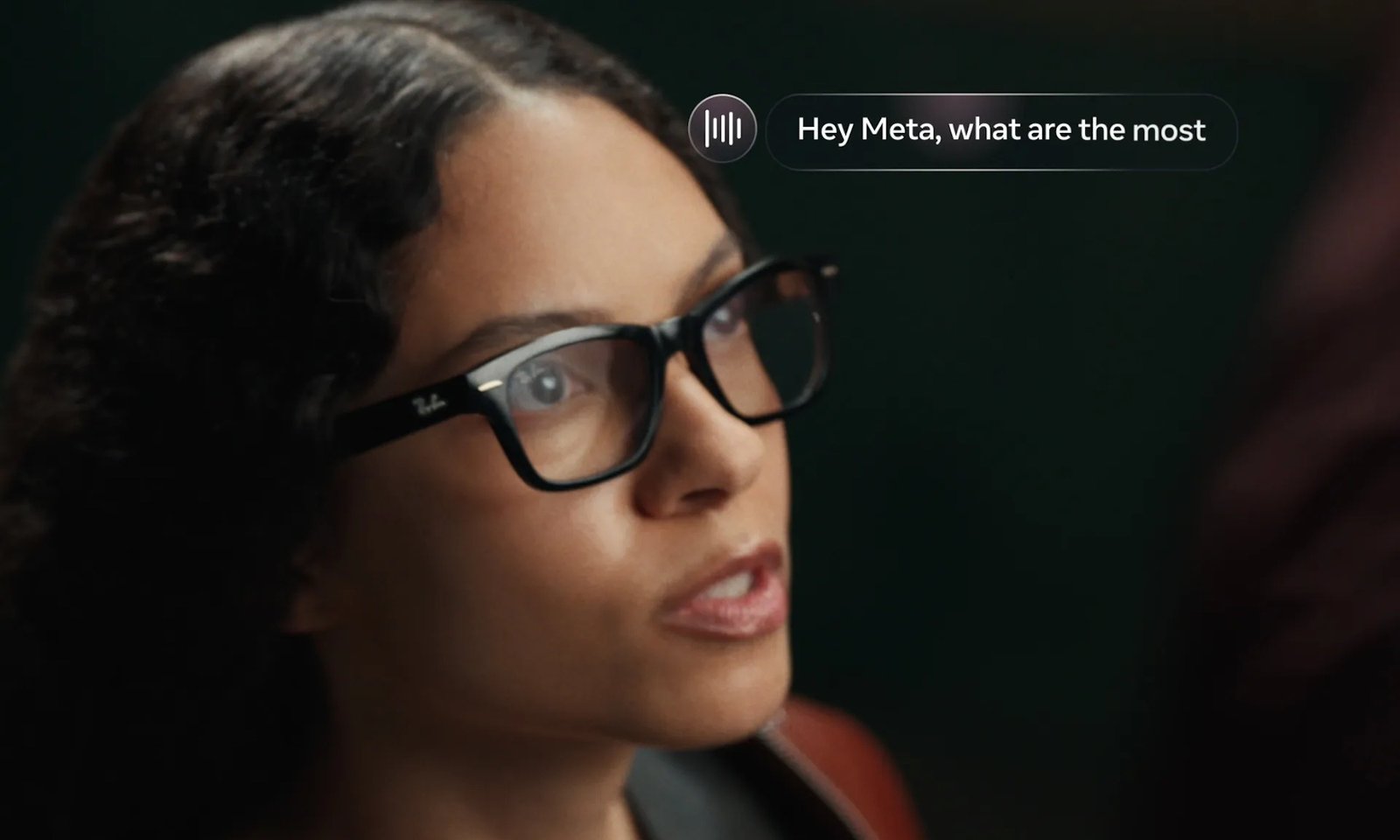
Yet the most persuasive announcement may remove a feature from the design. Ray-Ban Meta Audio keeps Meta AI and open-ear speakers for music, podcasts, calls, and spoken assistance, but omits the camera entirely.
At 43 grams, Audio is lighter than the roughly 50-gram Ray-Ban Meta Gen 2. Meta promises 12 hours of use plus 48 through its case. Clubmaster and Burbank frames arrive in 23 lens-and-color combinations and support the company’s subscriptions. That is an endurance advantage.
Meta calls the timing coincidental and says audio has long led usage. Still, this launch now lands amid backlash against camera glasses and the discomfort they create nearby. A model without a lens feels like a practical response, whether Meta intended it or not.
Camera-free AI glasses already exist, but Meta has the reach and familiar styling needed to make them mainstream.
Gen 3 Adds Hardware—and a Higher Price

Ray-Ban Meta Gen 3 keeps the camera and focuses this time on measured hardware improvements:
- Six microphones instead of five
- Nine hours of battery life, one more than Gen 2
- Dolby Atmos audio capture
- A dedicated action button
- New Aviator and Zena cat-eye shapes
Gen 3 is available in 27 color-and-lens combinations and starts at $449, a $70 increase over Gen 2’s $379 price.
The comparison sharpens the lineup: Audio costs $100 less and lasts three hours longer. People who mainly want music, calls, and a voice assistant may discover that fewer sensors make the better product—and create a better social bargain.
Muse Moves From Software Into Your Pocket

Muse, Meta’s AI agent, is moving into the company’s glasses. Wearers can call it by name, ask it to act on what they see, control Mac applications, and connect with services like Walmart, Best Buy, and Instacart. The promise is assistance without reaching for a phone.
Muse Charm gives the agent another home. The keychain-size device has a display, speakers, microphones, and a fingerprint reader, offering quick access when glasses are not being worn. Meta has not shared a price. That omission matters because Charm must prove more convenient than the phone in every buyer’s pocket.
The feature is defensible. Meta’s FDA clearance covers a $149 hearing enhancement for mild or moderate loss; it comes with Meta One and qualifies for FSA or HSA spending. Here, AI meets a need instead of demanding a reason for a device.
Lighter VR Still Carries Heavy Compromises

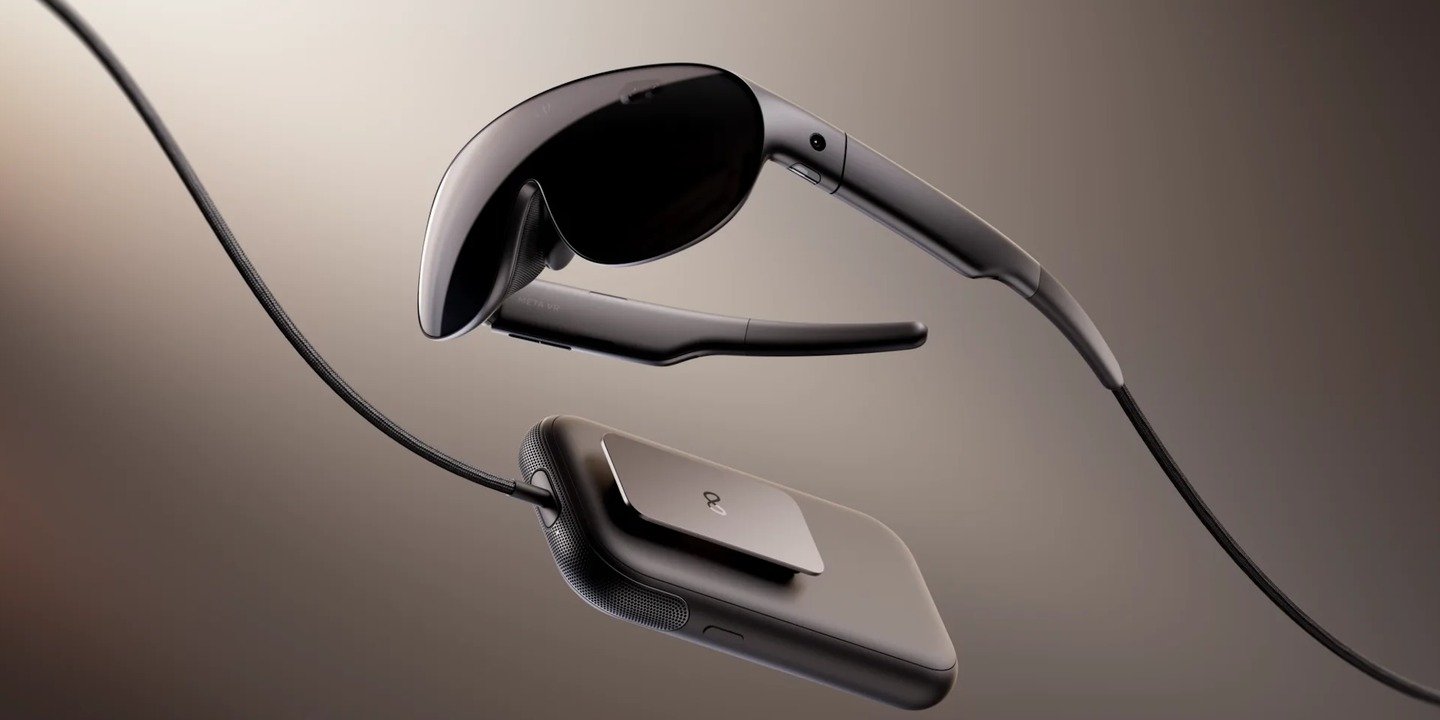
Near 100 grams, Meta VR Glasses weigh one-fifth as much as Quest 3, because processing moves into a separate 300-gram puck connected by cable. The $1,299.99 system is due in spring 2027, making its face-worn component part of the portability story.
Zuckerberg says Meta will build fewer VR products and ship them only when breakthroughs justify release. Glasses-shaped VR could qualify: lowering weight attacks one of the category’s oldest obstacles and follows an industry shift.
Still, portability does not erase every compromise. A charge lasts roughly three hours, visual range trails Quest 3, and controllers cost extra. At more than three times the price of Quest 3S, a lighter design should invite daily use—not simply make one film or gaming session easier to tolerate during longer everyday sessions.
Privacy Controls Improve, but Bystanders Still Matter
Privacy received two meaningful updates. Meta is extending WhatsApp’s private-processing system to wearables, preventing Meta and outside parties from seeing data handled on a server. Wearers can also refuse the use of visual information for AI training, a welcome change after reports that contractors reviewing glasses recordings encountered intimate footage. Audio requests remain eligible for training, however, leaving one data channel outside that protection.
Those measures improve protection for the owner, but they do not resolve the concern facing everyone else. People nearby may be recorded without knowledge or consent, and some owners reportedly avoid wearing camera glasses publicly because of the signal they send. Trust depends on bystanders understanding what the device is doing, not just users finding a privacy switch.
Meta Has Ambition; Trust Is the Missing Feature
Taken as a whole, Connect offered credible advances. Audio is lighter and less expensive, hearing assistance addresses an identifiable need, and the new VR design looks easier to wear than a conventional headset.
Meta’s strategy has scale: more than seven million pairs of its glasses sold in 2025, an advantage startups cannot match.
Yet Meta favors accumulation: more frames, surfaces, and routes to AI. Its appealing product does less. Audio removes the camera, lowers price, extends battery life, and reduces social friction. Restraint may be the feature Meta needs.