










The story of the 16 bones that upended how we see our species
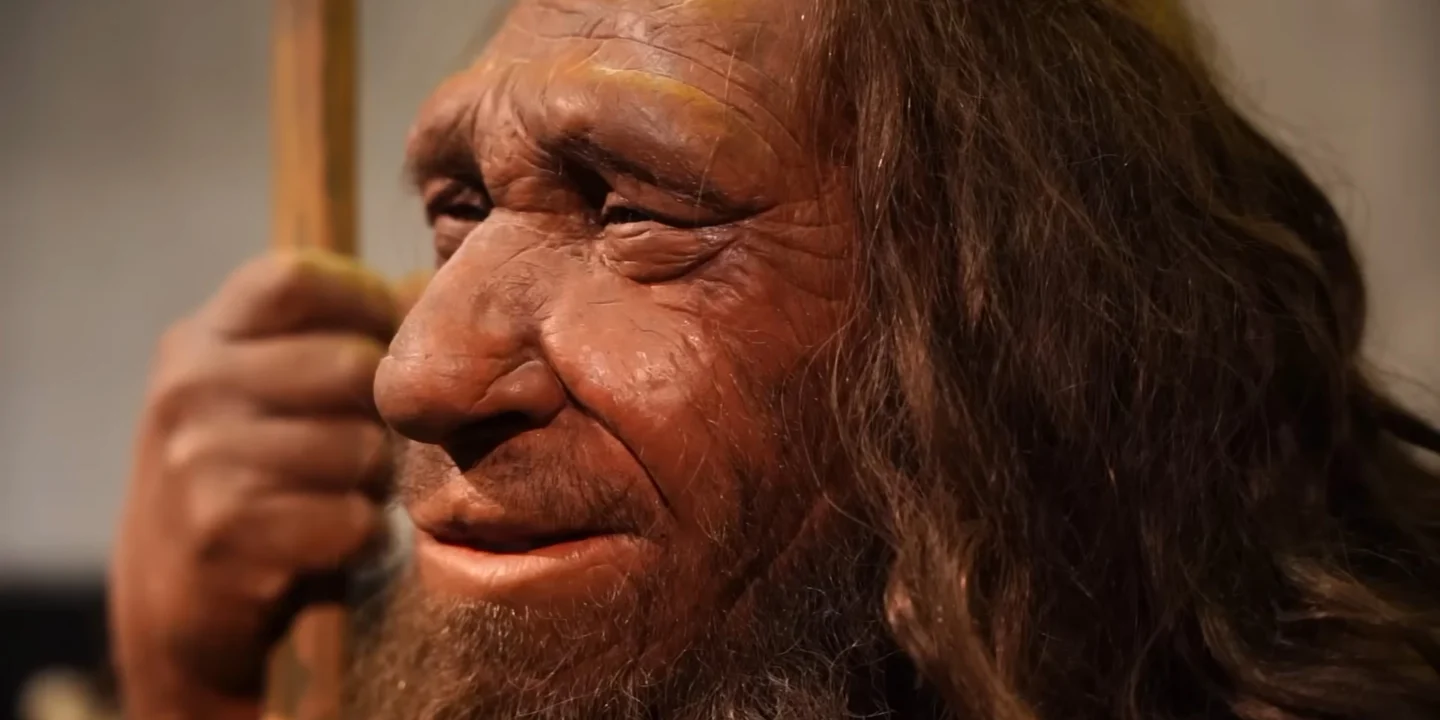
In 1856, workers quarrying limestone in Germany’s Neander Valley uncovered 16 strange bones: recognisably human, yet different enough to disturb the certainty of what “human” meant. Found just three years before Darwin published On the Origin of Species, the remains later known as Neanderthal 1 helped open a new chapter in the study of human origins, forcing scientists to rethink our species’ place in the long history of life.
This short film from BBC Global returns to the site, now home to the Neanderthal Museum, where a tower marks the place of that extraordinary discovery. Through expert commentary, historical detail and vivid storytelling, the video follows the afterlife of those bones: what they revealed about one Neanderthal individual, how they reshaped debates about evolution, and why this small fragment of a skeleton continues to challenge the way we understand ourselves.
Video by BBC Global
Director: Tom Heyden