
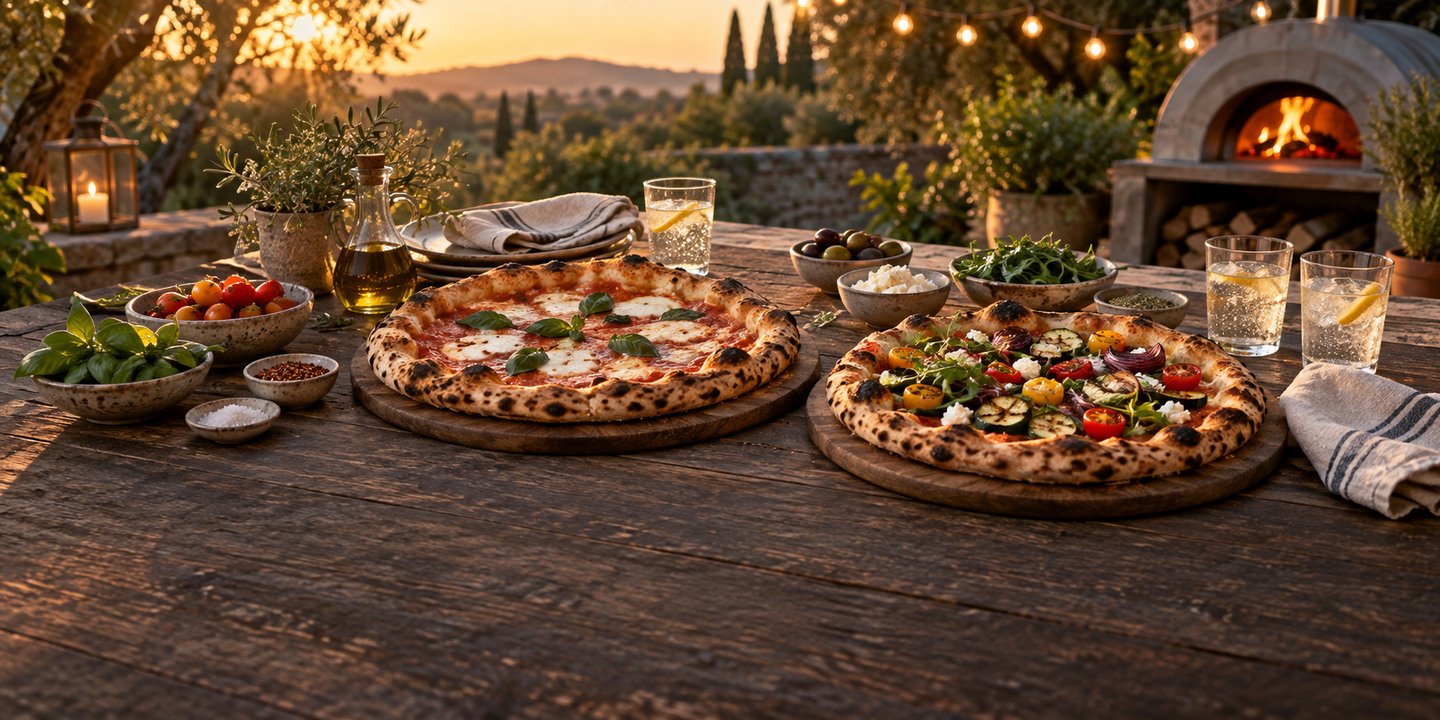











Relaxed Summer Hosting
A practical, prep-ahead plan for crisp homemade pies, simple sides, and an evening that lets everyone join the fun.
Pizza night turns an ordinary dinner into shared entertainment: one guest stretches dough, another experiments with toppings, and everyone gathers near the oven to watch each pie take shape.
That energy also eases the host’s workload. With rested dough, chopped ingredients, and a few stations ready before the doorbell rings, cooking becomes part of the celebration. The meal arrives in warm, irregular rounds, with drinks in hand and another pizza always on the way.

Why Pizza Night Feels So Effortless
A pizza party gives guests something natural to do: tear basil, spoon sauce, suggest a topping, or carry pies to the table. Even reluctant cooks can join without detailed instructions.
Pizza also adapts easily to different tastes. One dough ball can become tomato and mozzarella; the next can be spicy, vegetable-forward, or cheese-free. A lopsided crust only adds character, because the pleasure comes from making dinner together as much as eating it.
A Simple Menu Formula for Eight
- 4–5 pizza dough balls
- 2 sauces
- 6–8 toppings
- 1 easy appetizer
- 1 large salad
- 1 uncomplicated dessert
- Wine, sparkling water, and one batchable cocktail or spritz
Plan one pizza for every two adults, plus one extra for the table. Five pies usually feed eight people when snacks, salad, and dessert are included; keep an extra dough ball for hearty appetites or a pizza-only menu.
Choose an appetizer that buys time: olives, hummus, sliced vegetables, or cheese and fruit. Add one sharply dressed salad and a chilled or fruit-based dessert to keep the meal balanced.
Gather the Tools That Matter
A dedicated pizza oven is fast and festive, but a grill or conventional oven can also create a crisp crust. Indoors, heat the oven as high as it safely goes and thoroughly preheat a pizza stone or steel.
Beyond the heat source, keep the equipment list focused:
- A pizza peel for transferring uncooked and finished pies
- A pizza wheel or sturdy cutter
- Small bowls for sauces, toppings, and garnishes
Keep the peel beside the oven and the cutter near the serving area. This prevents guests from crossing the room with a hot pizza while someone searches for a tool.
Give the Dough Time to Relax
The evening depends less on where the dough came from than on how it is handled. Homemade is wonderful, but dough from a local pizzeria or reliable grocery store makes hosting easier.
Store-bought dough should be fully thawed. Three to five hours before the party, shape it into balls on a lightly oiled tray and keep it covered. The room-temperature rest loosens the gluten so the dough stretches without snapping back.
For homemade dough, mix it at least one day ahead; many recipes can be refrigerated for up to four days as flavor develops. Bring it out early enough to lose its chill, and keep it covered until shaping.
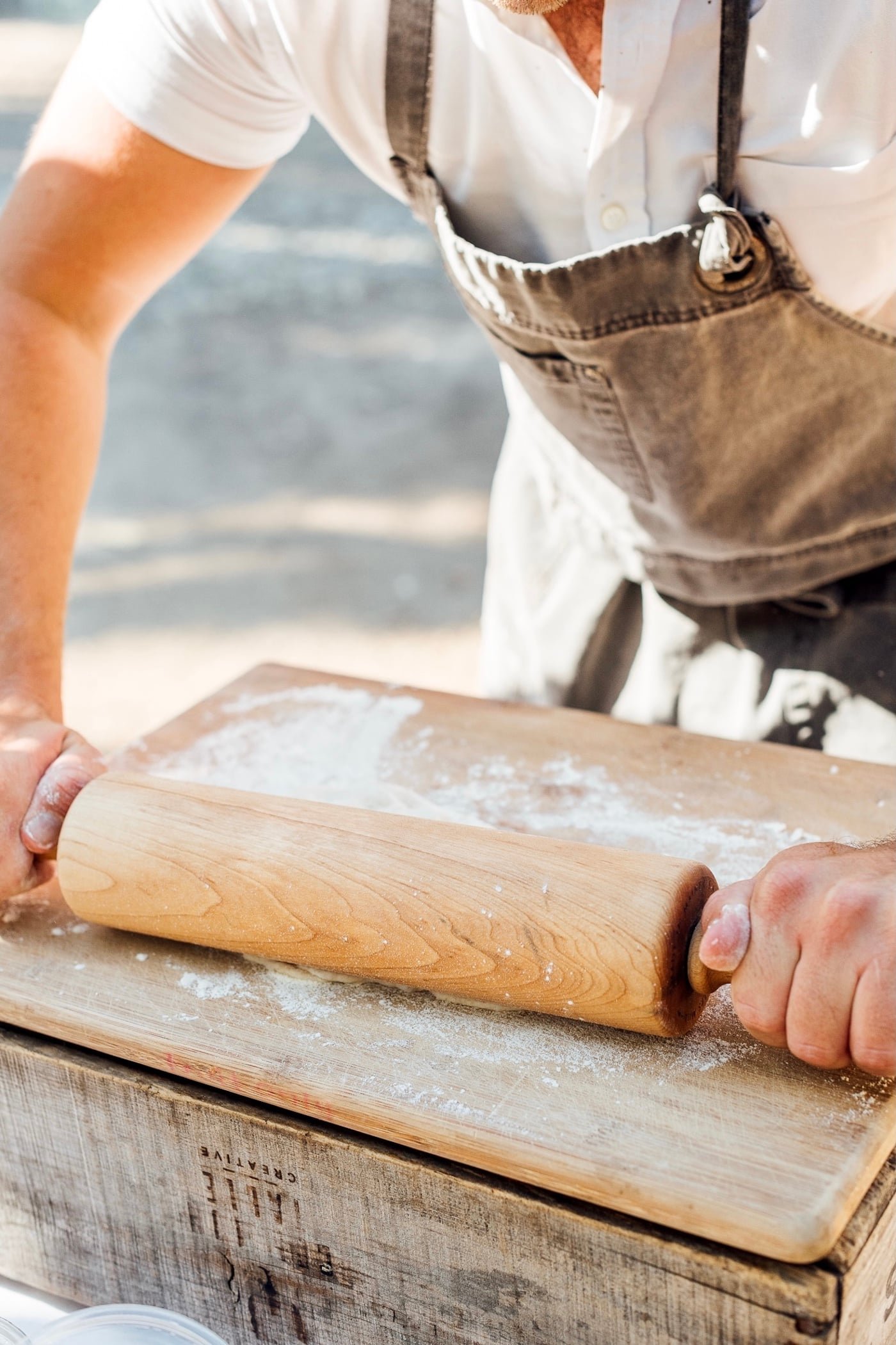
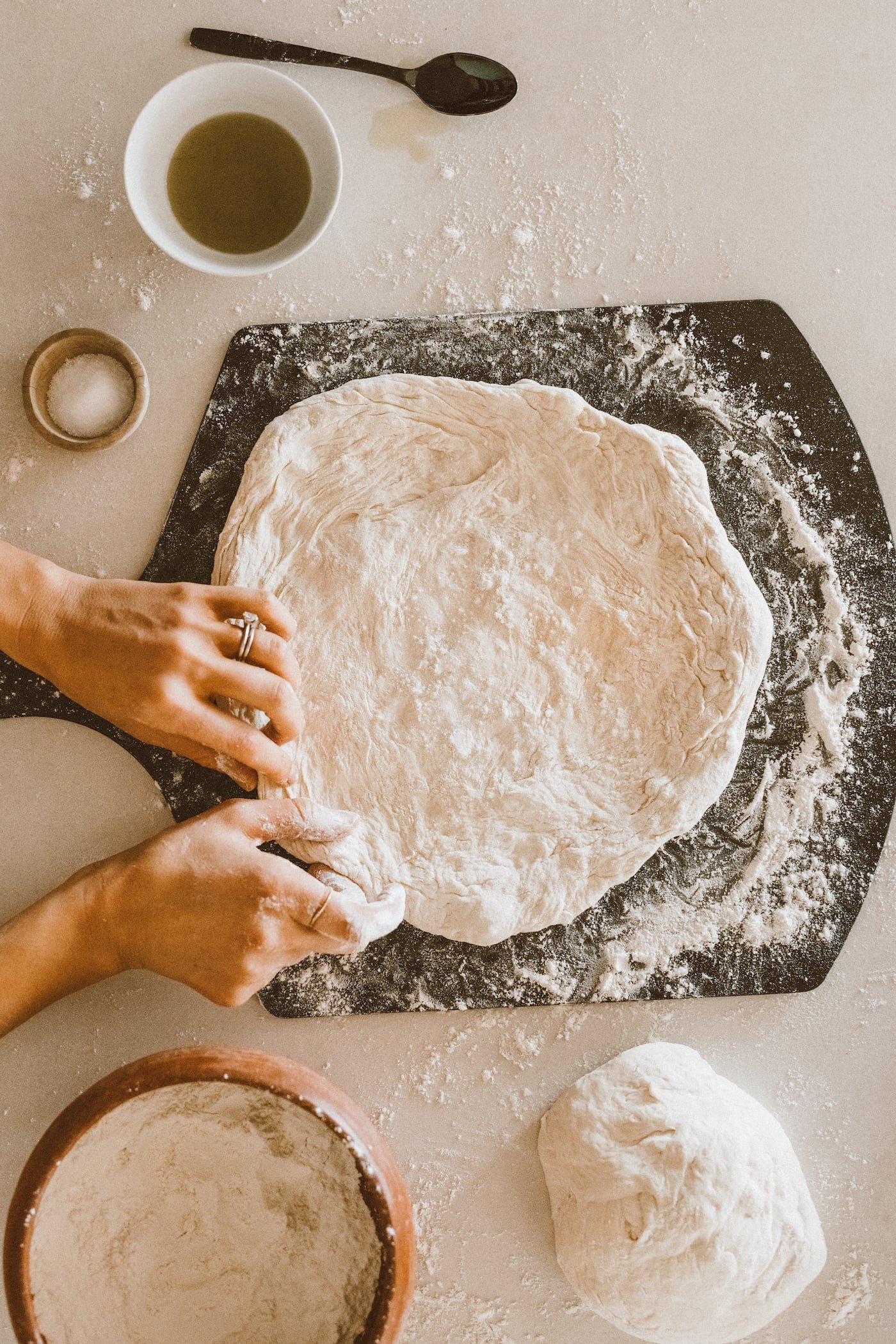
Press from the center outward with your fingertips, leaving a thicker rim. Lift and rotate the dough gently instead of forcing it with a rolling pin. Rustic ovals bake as beautifully as perfect circles.

Build the Topping Bar Before Guests Arrive
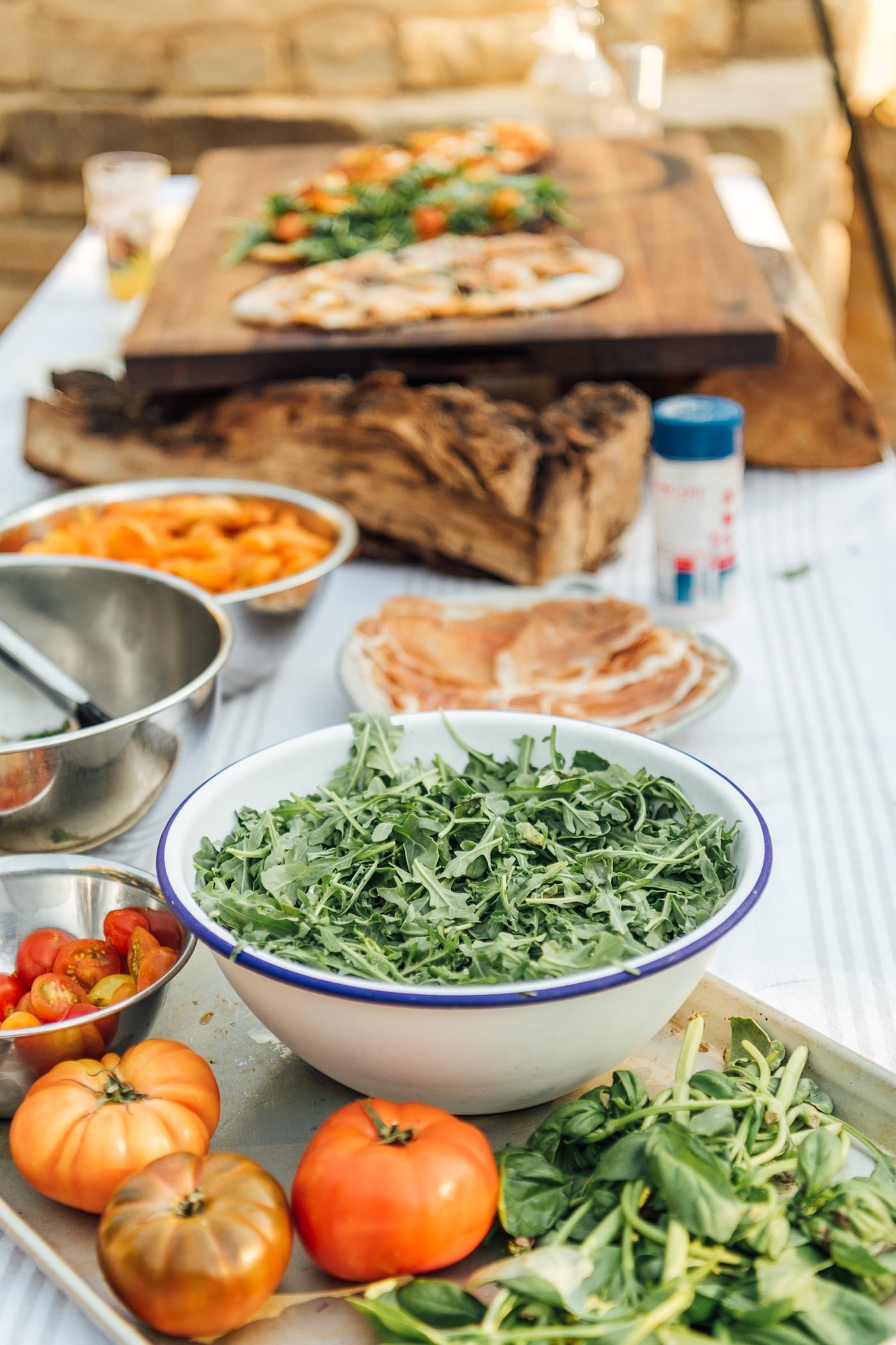
Prepare the topping station before guests arrive: wash, chop, cook, drain, and portion every ingredient, then refrigerate the bowls until serving.
Arrange clear bowls in assembly order—sauces, cheese, vegetables and proteins, then post-bake garnishes—so choices are easy to see.
Start With Two Sauces
Offer classic tomato sauce plus one contrast, such as pesto, garlic oil, or creamy white sauce; add a spicy tomato spread if your guests enjoy heat.
Give each sauce its own spoon and encourage a thin layer, since excess moisture prevents a crisp center.
Choose Toppings With Contrast
Choose six to eight toppings balanced among vegetables, cheeses, and proteins. Mushrooms, peppers, onion, sausage, pepperoni, olives, mozzarella, feta, and arugula create plenty of combinations.
Cook sausage and other raw meats in advance. Vegetables that release a great deal of water, such as mushrooms, benefit from a quick sauté. Drain wet cheeses and pat them dry so they melt without soaking the crust.
A restrained pizza usually cooks more evenly than one carrying every topping on the table. Two or three well-matched ingredients allow the crust and sauce to remain part of the experience.
Add Finishing Ingredients
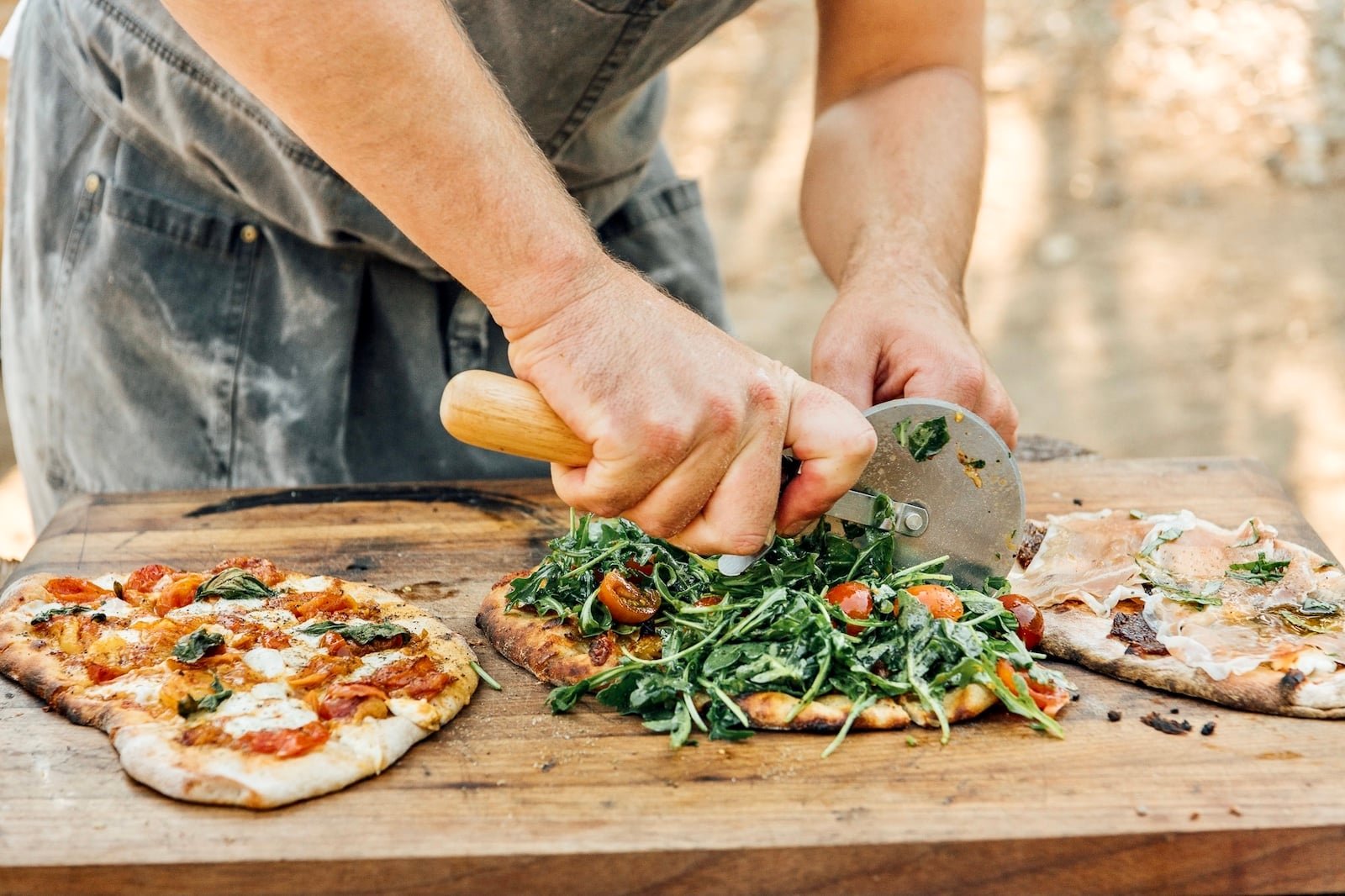
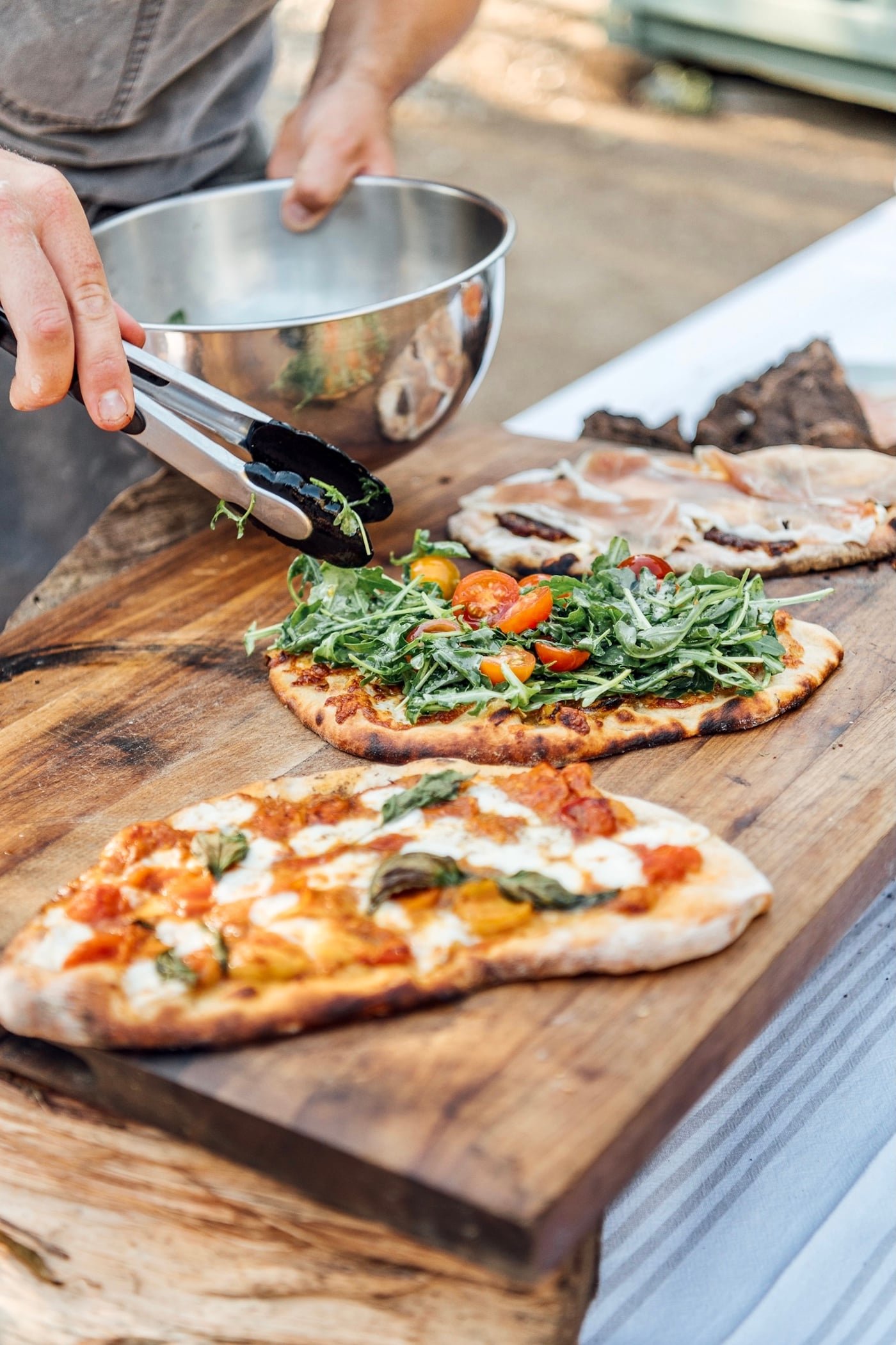
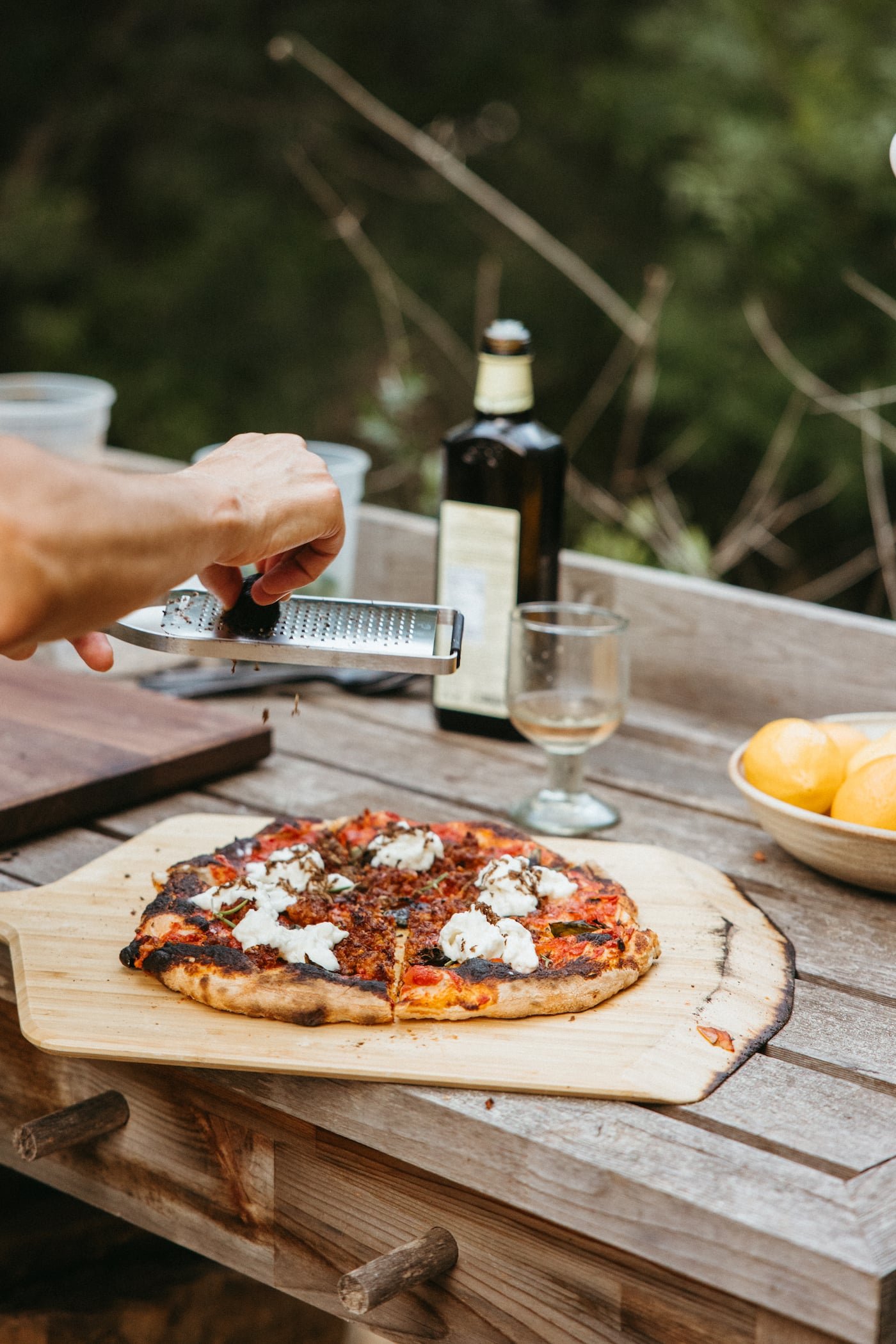
Keep flaky salt, Parmesan, oregano, red pepper, chili oil, balsamic glaze, and fresh herbs near the cutting board. Add prosciutto, arugula, burrata, and basil after baking.

Six Combinations to Put on the Menu
A small handwritten menu helps guests begin without limiting their creativity. Offer a few familiar pies beside combinations they may not make at home:
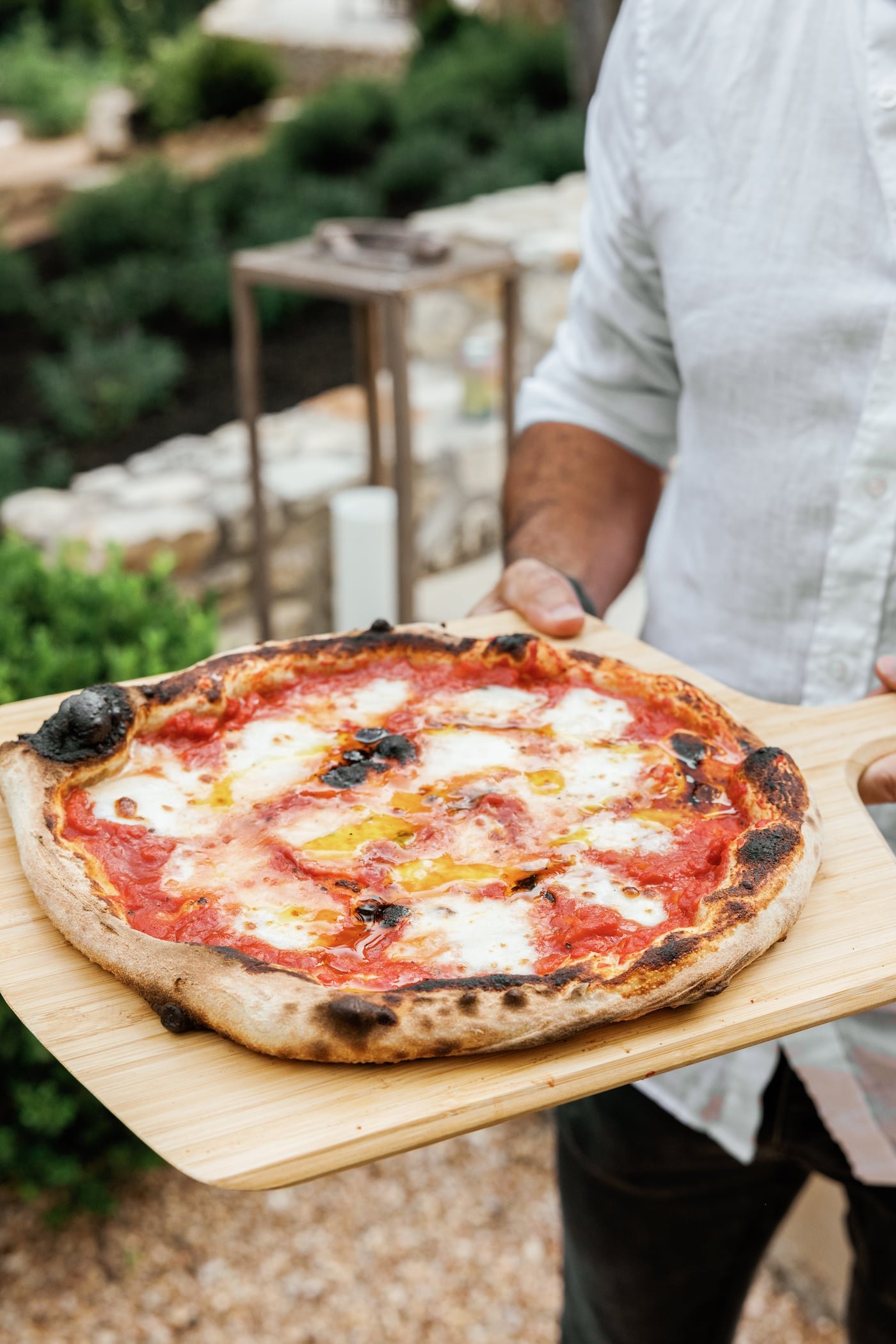
Margherita
Tomato sauce, fresh mozzarella, and basil form a simple standard that shows off a good crust.
Salami and Green Olive
Salty olives and salami pair well with slow-cooked tomato sauce and a pinch of chile flakes.
Mushroom and Fontina
Use garlic oil or white sauce as the base, then add sautéed mushrooms and nutty fontina.
Sausage and Burrata
Bake the sausage with mozzarella, then spoon cool burrata and fresh basil over the hot pie.
Fig, Bacon, and Blue Cheese
Sweet fig, crisp bacon, and a modest amount of blue cheese create a balanced salty-sweet pizza.
Caramelized Onion and Prosciutto
Mozzarella and deeply browned onions go into the oven; prosciutto and arugula are added just before serving.
Keep Everything Around the Pizza Simple
The pizza already asks for movement and attention, so the supporting menu should be nearly automatic. Before dinner, offer something guests can eat with one hand while the oven heats. Crudités with an herby dressing, warm olives, or hummus all work without competing with the main event.
Serve one large salad alongside the pizzas. Peppery greens with lemon vinaigrette, a hearty kale salad, or a combination of bitter leaves, citrus, and prosciutto will cut through rich cheese and cured meat.
For dessert, choose something that can be finished before dinner begins. Fruit sorbet, grilled peaches with ice cream, or a bowl of summer fruit with crisp meringue brings freshness without returning the host to a long recipe. A spritz, chilled wine, and sparkling water can carry the evening from appetizers through the final slice.
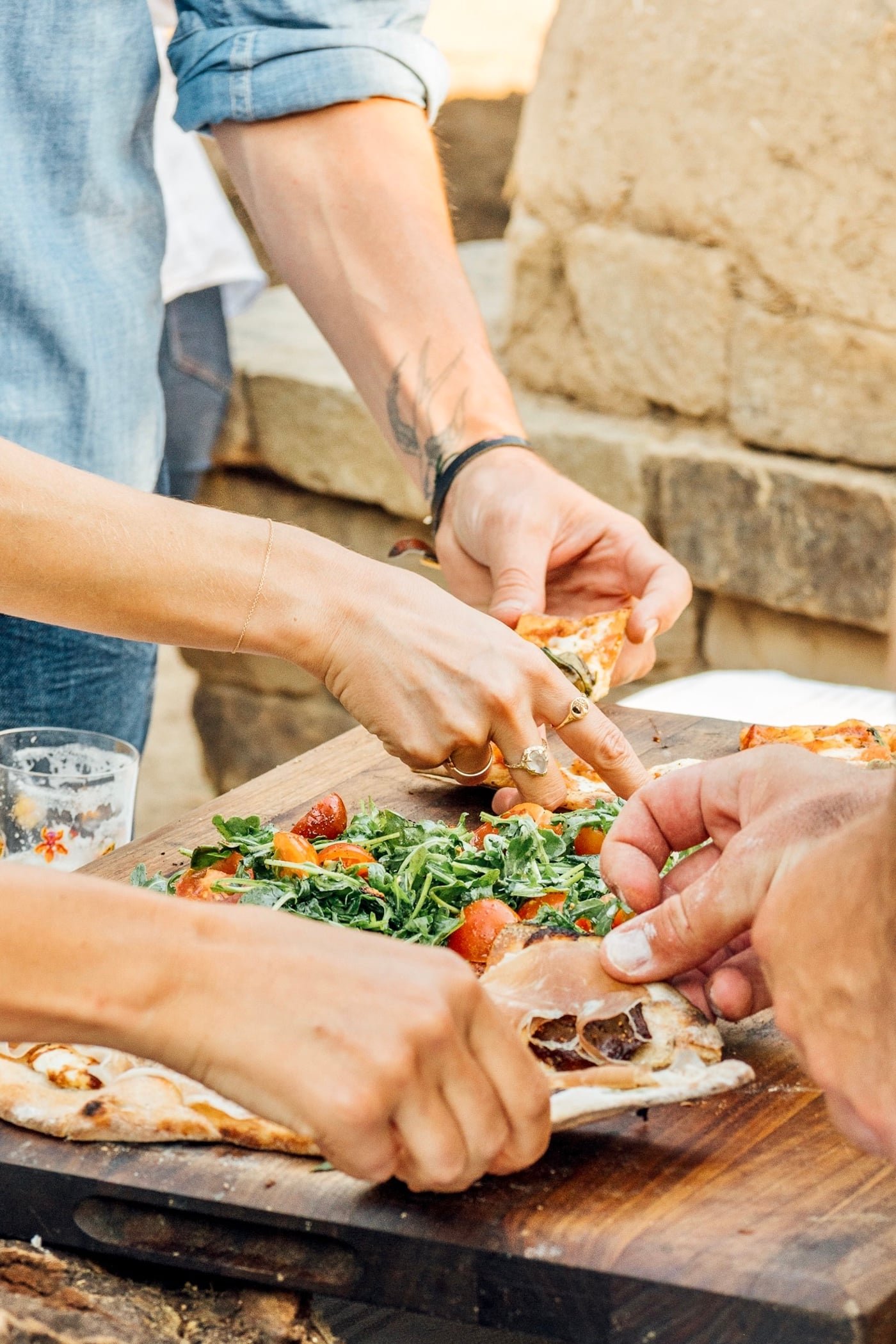
Make Space for the Party to Move
Once the ingredients are under control, turn your attention to the way people will move through the space. The ideal setup has a clear path from dough to toppings, toppings to oven, and oven to cutting board. Leave enough open room around each station for two or three people to gather without blocking the cook.
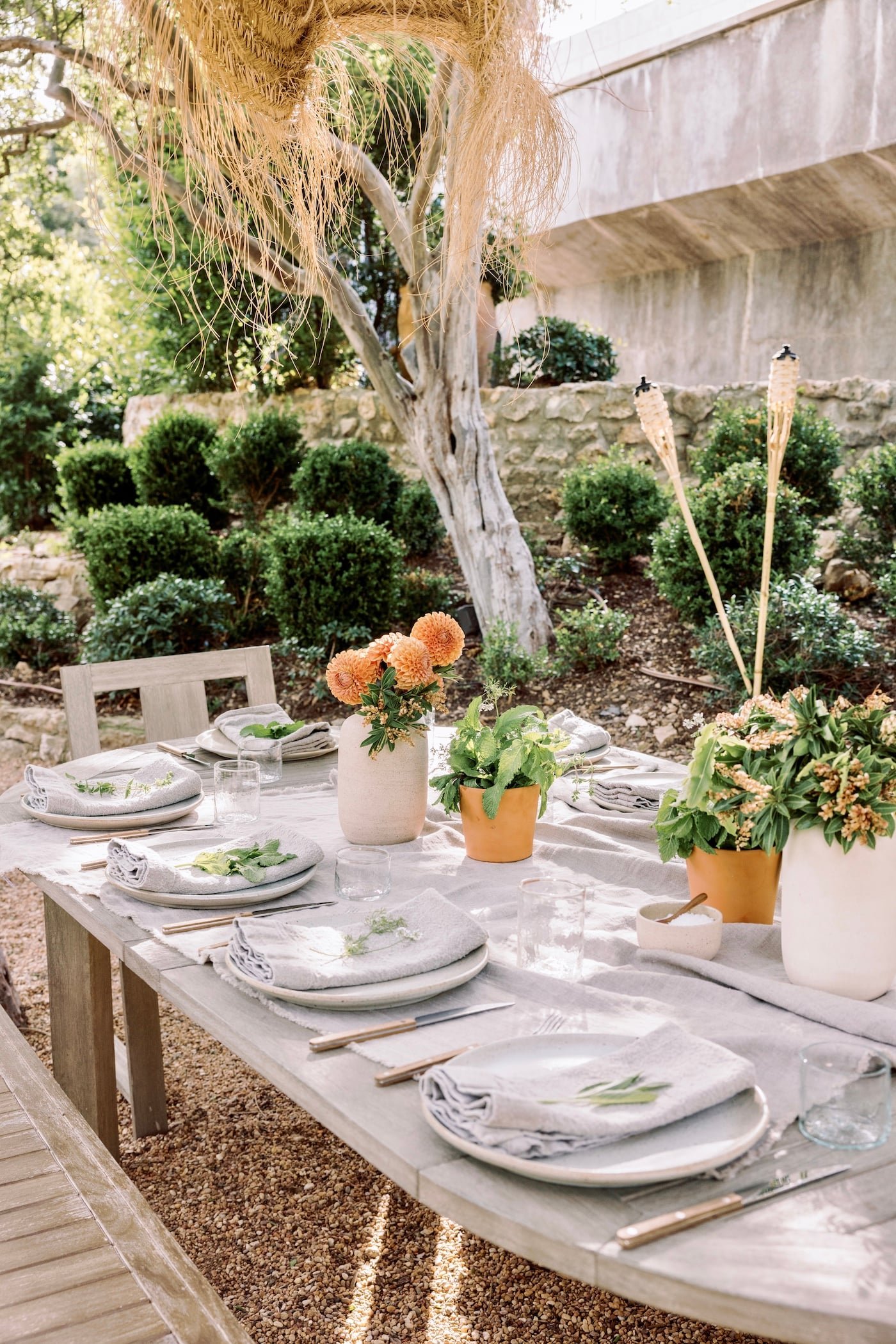
Outdoors, a few strings of lights, candles, and a long casual table provide all the atmosphere you need. Indoors, the kitchen island can become the central work surface while plates and drinks wait on a nearby console. Linen napkins and family-style serving pieces add warmth, but an elaborate tablescape is unnecessary.
Start a relaxed playlist before guests arrive and keep the volume low enough for conversation. Pour the first drinks promptly, point out where everything is, and let people settle near the action. The most memorable conversations often happen while everyone watches a crust puff and waits for the next pie to emerge.

Follow a Prep-Ahead Timeline
Several small decisions made early will protect the relaxed feeling of the night.
One to four days ahead: Make homemade dough, or arrange to buy fresh dough. Confirm the guest count and choose your sauces, toppings, sides, and drinks.
The morning of the party: Cook meat and moisture-heavy vegetables. Prepare sauces and salad dressing, chill the drinks, and finish any dessert that can be made in advance.
Three to five hours before dinner: Bring refrigerated dough to room temperature, shape it into balls, and keep it covered on a lightly oiled surface.
One hour before guests arrive: Arrange the topping bowls, set the table, place tools at their stations, and begin preheating the oven or grill. A stone or steel needs time to become thoroughly hot.
As guests arrive: Serve drinks and the appetizer first. Explain the basic flow, then invite people to stretch and top the opening pizza together.
Delegate Without Making It Formal
Sharing the work is part of the appeal. One guest can refill drinks, another can carry finished pizzas, and someone who enjoys working with high heat can manage the oven for a round. Ask a friend to bring dessert or wine, or let one person write the suggested combinations on a menu card.
For safety and consistency, it helps to have one designated oven lead at a time. Everyone else can rotate through stretching, topping, garnishing, and slicing. That division keeps the hot zone clear while still allowing the whole group to participate.
Try to send out the pizzas one at a time instead of holding them until every pie is finished. Slice each one as it emerges and encourage guests to share. The staggered rhythm keeps the crust crisp and turns dinner into a leisurely sequence rather than a single crowded serving moment.

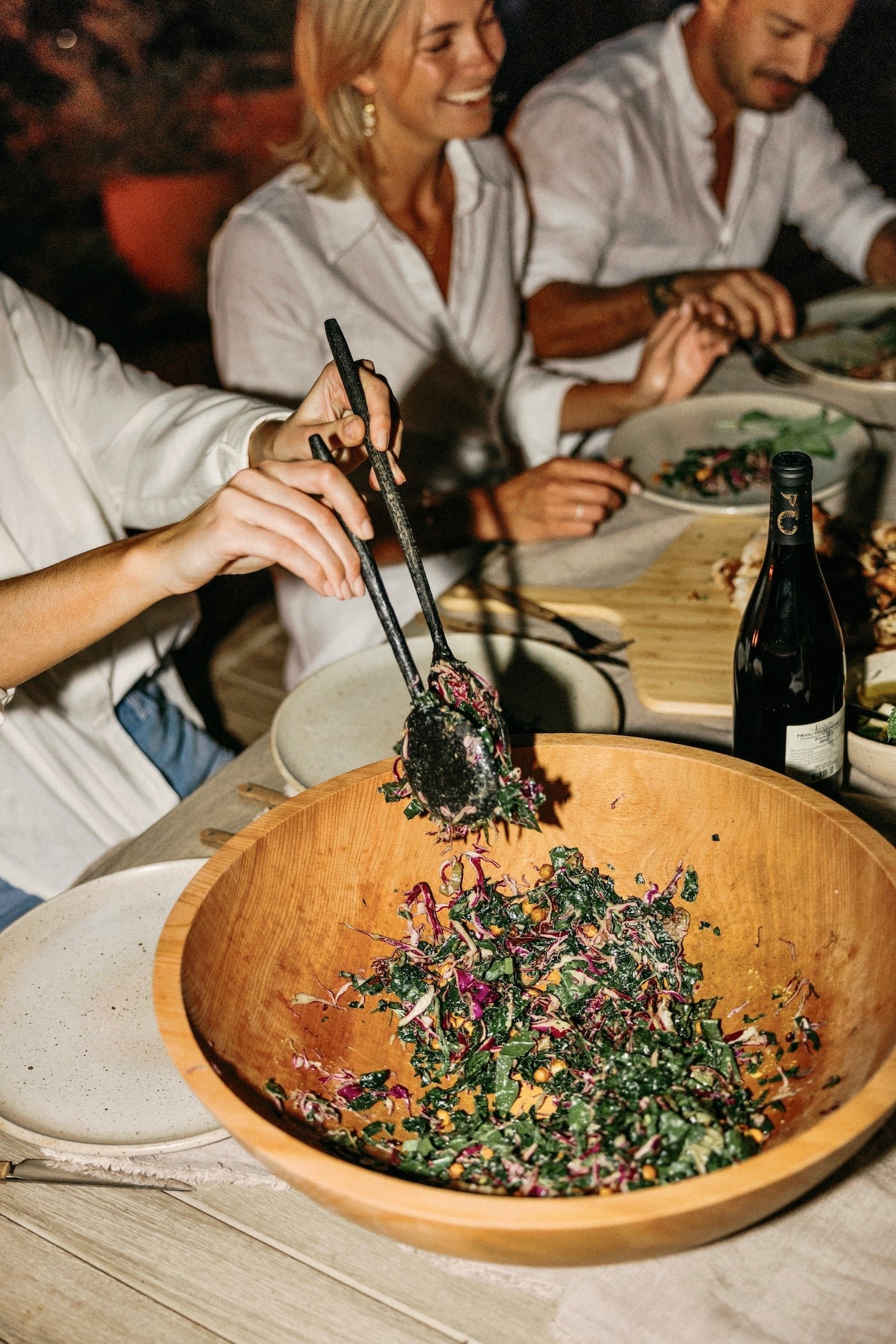
Let the Evening Be Imperfect
Perfect circles, identical slices, and a rigid schedule are not the measure of a successful pizza party. The best moments are often unplanned: a topping combination everyone wants to repeat, a crust that bubbles dramatically in the oven, or a conversation that continues while the final dough ball waits on the counter.
Prepare enough that you can be present, then stop trying to direct every detail. Let guests participate, serve each pizza while it is hot, and accept a little flour on the floor. The night should feel generous and alive—not carefully staged. When the last slices disappear and everyone is still gathered near the oven, the party has already done exactly what it was meant to do.