
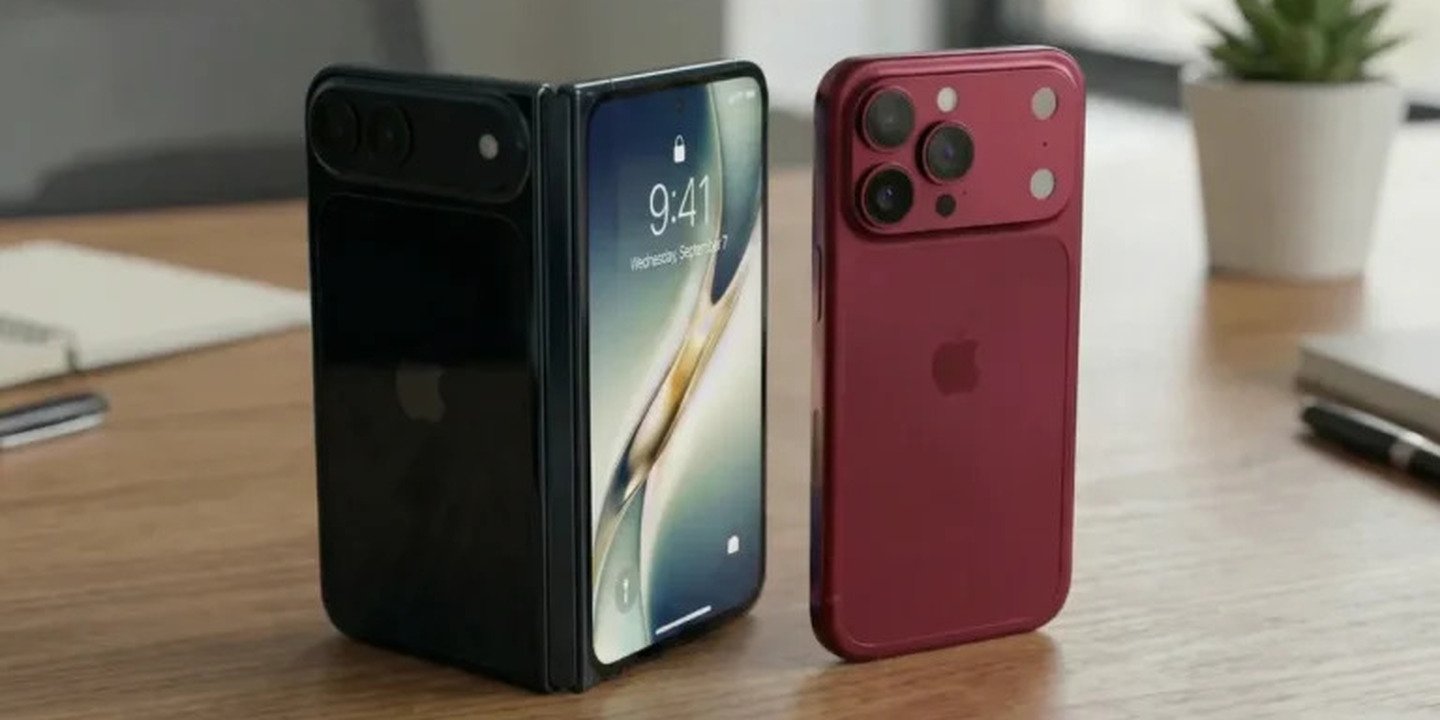











APPLE EVENT · RUMOR ANALYSIS
Before Apple’s September 9 keynote, months of leaks pointed toward an incremental iPhone 18 Pro and a far more ambitious foldable. The difficult part was deciding which claims deserved belief—and what would actually feel new.
Apple is due onstage September 9, yet almost nothing about its next phones has been described. That has not stopped the internet from building a launch. Months of supply-chain reports, case drawings and analyst notes now tell one consistent story. Perhaps Apple will prove that story wrong.
Five years of iPhone ownership took me from a 12 Pro Max to a 15 Pro Max. The keynote eventually stopped feeling essential. I read the recap because the rhythm is familiar: refinements, confident adjectives and camera language to make last year’s device unexpectedly old.
That familiarity is the subject here. Apple has confirmed an event, a location, a time and a slogan. Everything else comes from production contacts, regulatory documents, software strings, mockups and a supplier breach. Those sources can reveal direction, but they do not create a shipping specification.
The shape of anticipation is visible. We can predict which details will draw applause, which prices will trigger arguments and which older phones will seem inadequate. The question is not whether a leak is correct. It is why the expected product feels decided before Apple presents it.
What Apple Actually Confirmed
The list is short. Apple’s event occurs Wednesday, September 9, at 10 a.m. Pacific in the Steve Jobs Theater. It will stream on Apple’s website, the Apple TV app and YouTube. The invitation says “Surprise and Shine,” which offers atmosphere rather than a product roadmap.
John Ternus leads Apple after taking over from Tim Cook on September 1, making it his first CEO keynote. That transition gives the morning weight even if the hardware proves predictable. An annual launch will serve as the first expression of a new leadership era.
Context matters. Apple raised Mac and iPad prices in June, while Cook compared the memory market to a flood of rising costs. That does not confirm an iPhone increase, but it explains why pricing dominates speculation. Memory is becoming harder to hide as a background expense.
Beyond the facts, certainty ends. No camera specification, processor claim, color, storage tier or folding design in this article came directly from Apple before the event. Every detail below should remain conditional, however often sources repeat it. Repetition can strengthen a rumor; it cannot replace an announcement.
That distinction matters because this cycle has mixed credible documents with deliberate jokes, anonymous videos and commercial mockups. A neat specification table hides those different levels of evidence. Before discussing the apparent consensus, it is worth examining how unstable the material underneath it has been.
Why the Leak Cycle Is Unreliable
Before treating any demonstration as proof, consider the “unboxing” clip spread in April. Johan Lelievre created it as an April Fools’ piece and published it on April 1. The handset never powered on, yet fragments lost context and circulated for weeks as evidence of Apple hardware.
A real breach at Tata Electronics, an Apple manufacturing partner in India, exposed supplier maps and drop-test photographs. A separate viral clip attributed to Evan Blass was not his; he rejected the account before its suspension, and the footage may have been synthetic. Genuine documents and dubious media entered the same stream.
Standard iPhone 18 images are no firmer. Notebookcheck found no convincing design leak in edited pictures on Weibo and TikTok. The units measured on YouTube are accessory-maker replicas built from CAD assumptions. One foldable dummy measured 11 millimeters closed even though reporting placed the device near 9 millimeters.
None of this makes the rumor set useless. It means confidence should follow evidence rather than quality. A supplier document deserves different weight from a rendered video, and a case mold says more about dimensions than internal technology. The following portrait is a composite, not a promise.
The iPhone 18 Pro Consensus
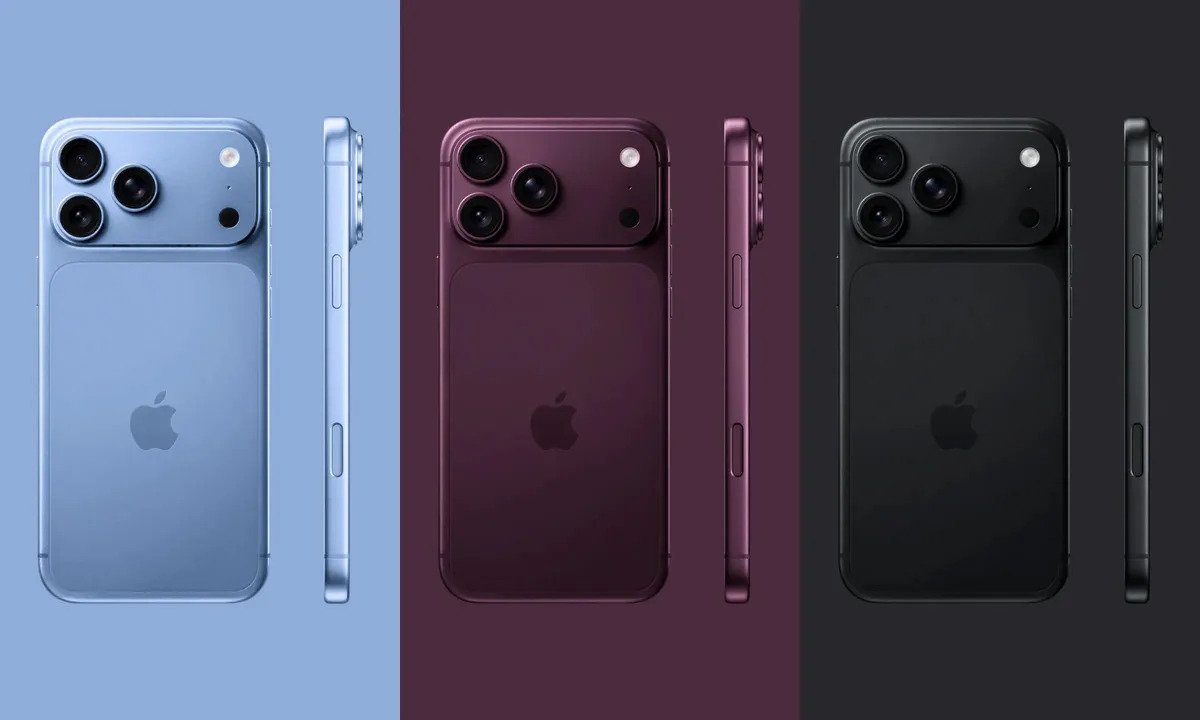
Even with the warning, reporters and leakers have converged on a recognizable Pro model. Mark Gurman, Ming-Chi Kuo, Jeff Pu, Sonny Dickson and Majin Bu contribute pieces, while battery filings and strings discovered in iOS 27 add clues. Their combined picture is coherent, although coherence is not confirmation.
The front may receive a narrower Dynamic Island. A claim estimates a 35 percent reduction; another says Apple will not shrink it until the iPhone 19. The conflict matters. The visible design change cannot be settled by two frequently cited sources less than two weeks before the keynote.
Display sizes may remain at 6.3 inches for the Pro and 6.9 inches for the Pro Max, with an LTPO+ panel rather than a change in geometry. If accurate, the upgrade will concern efficiency and display behavior more than the shape users see in use.
The A20 Pro may be Apple’s first two-nanometer processor. Memory may sit directly on the chip package, with gains near 18 percent in performance and 30 percent in efficiency. Packaging RAM closer to the processor could improve power and thermal behavior, making this more consequential than a benchmark increase.
The camera may gain a variable aperture, allowing physical control over light and depth rather than simulating every effect computationally. Reports limit the feature to the Pro Max. If it ships, this would be the clearest photographic improvement in the rumor list because it changes the optics.
Apple’s C2 modem is expected to reach the Pro range with mmWave and satellite 5G support. The N2 chip remains less defined, even among sources naming it. Modems rarely command keynote excitement, but replacing an external component with Apple silicon matters to efficiency, integration and control.
Color reports point to Dark Cherry as the finish, replacing Cosmic Orange and Deep Blue. Color is easy to dismiss, yet it may become the visible distinction if the chassis stays familiar. Apple has made a finish carry more launch identity than the technical changes underneath it.
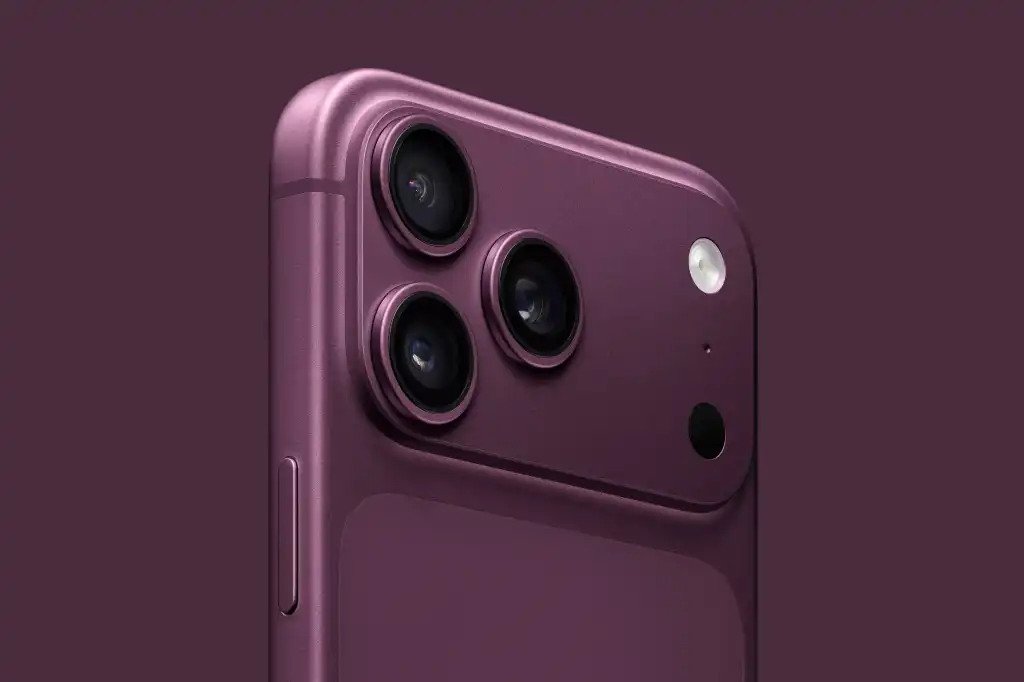
The Camera Control button may lose capacitive touch and haptic feedback, becoming pressure-only. That would simplify the upgrade. Removing an interaction is not automatically bad—unused complexity can deserve deletion—but it illustrates how refinement sometimes means retreating from a feature introduced with ceremony.
Battery filings offer numbers. The Pro Max may reach 5,567 mAh, up from 5,088 mAh, a meaningful increase. The regular Pro moves from 4,252 to 4,288 mAh, 36 mAh more. The larger model could gain endurance while the smaller relies on processor and display efficiency.
Gurman has characterized the package as modest and underwhelming. That assessment does not come from a customer; it comes from the reporter treated as authoritative on Apple. It matches the mood around the launch: extensive coverage, serious engineering and little expectation that daily use will feel transformed.
The contradiction is visible in headlines promising disappointment and reasons to wait. Neither argument is dishonest. Rumor media can call a phone boring while covering it endlessly, because predictability does not reduce attention. We have become practiced at feeling excited about devices we expect to be incremental.
Your Camera Did Not Get Worse
An upgrade complaint is that an older iPhone produces pictures resembling much earlier mobile photography. The sensor did not decay. Lenses and silicon do not become less capable because a keynote introduced a successor. What changed is the reference point—and the computational pipeline surrounding newer hardware.
Phone photography continues after the shutter press. The processor merges frames, manages noise, identifies subjects, balances highlights and applies its visual character. New chips receive stages in that pipeline. An older camera can remain sound while its processing stays tied to the year its device was released.
Place a four-year-old phone beside its successor in restaurant lighting and the gap shows. The result may look cleaner before anyone edits it. That comparison creates the feeling that the old camera deteriorated, when the change is that software and imaging hardware moved ahead around it.
iOS 27 makes the hierarchy explicit. Apple allows installation on an iPhone 11, but Siri requires an iPhone 15 Pro or newer. Reports place customized voices behind another line at the iPhone 17 Pro and Air generation. A single update creates several classes of iPhone.
The engineering explanation can work; local generative features demand memory and compute that older devices lack. The frustration begins when “supports iOS 27” describes phones receiving substantially different experiences without an understandable explanation. At that point, hardware limits and product segmentation become difficult for buyers to separate.
When Price Becomes the Upgrade
The hardware story may be restrained, but price forecasts are plentiful and inconsistent. That imbalance is informative. Analysts agree that Apple faces cost pressure; they disagree about how much of it reaches the customer. With the event approaching, estimates span several hundred dollars for the same phone.
Gurman suggests a $100 increase, placing the Pro near $1,199 and Pro Max near $1,299. IDC has discussed $200. Jeff Pu reaches $250 to $300, potentially taking Pro Max to $1,499, while Counterpoint expects about $300 on high-capacity models. The range itself is news.
The underlying pressure is credible. Global AI infrastructure is absorbing memory production. TrendForce estimates that components for a 256GB iPhone 18 Pro cost about 38 percent more than parts a year earlier. On a 1TB model, memory may represent a third of the bill of materials.
Apple has warned about margin pressure, and analysts have responded. Higher costs do not make higher prices cynical. Apple can absorb the increase, alter the product or pass it along. More troubling than a premium price is the rumor that higher storage tiers might receive inferior flash.
The 1TB and 2TB versions could use QLC NAND from SK hynix while 256GB and 512GB models retain TLC. QLC may write more slowly and endure fewer cycles. If accurate, customers paying more for capacity could receive storage with weaker characteristics than buyers of a cheaper tier.
That claim deserves more scrutiny than a new finish. It would reveal where Apple believes buyers will not look and how component pressure is allocated. Each cycle produces one detail that says more about strategy than the specification. This year, storage technology may be that detail.
The Foldable Holds the Excitement
Meanwhile, the genuinely unfamiliar iPhone may appear at the same keynote. Internally described in reporting as iPhone Ultra, Apple’s foldable is rumored to be its boldest handset in a decade. The irony is that the device generating real curiosity may also be the hardest one to purchase.
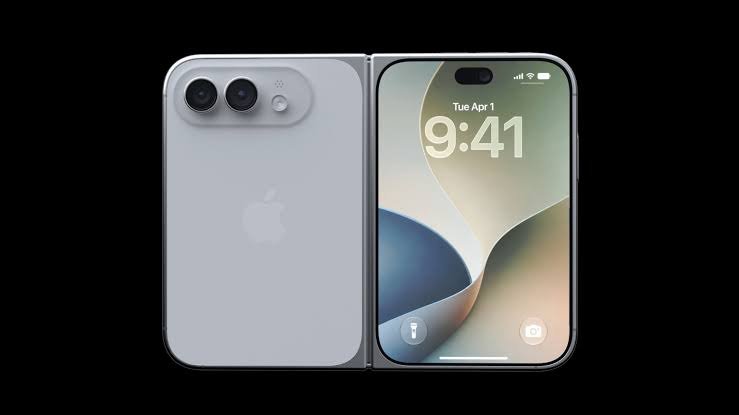
Leaks describe a body 4.5 millimeters thick when open, with a liquid-metal hinge and a titanium-aluminum frame. The crease may stay below 0.15 millimeters in depth and roughly 2.5 degrees in angle. Two batteries could provide capacity somewhere between 5,400 and 5,800 mAh.
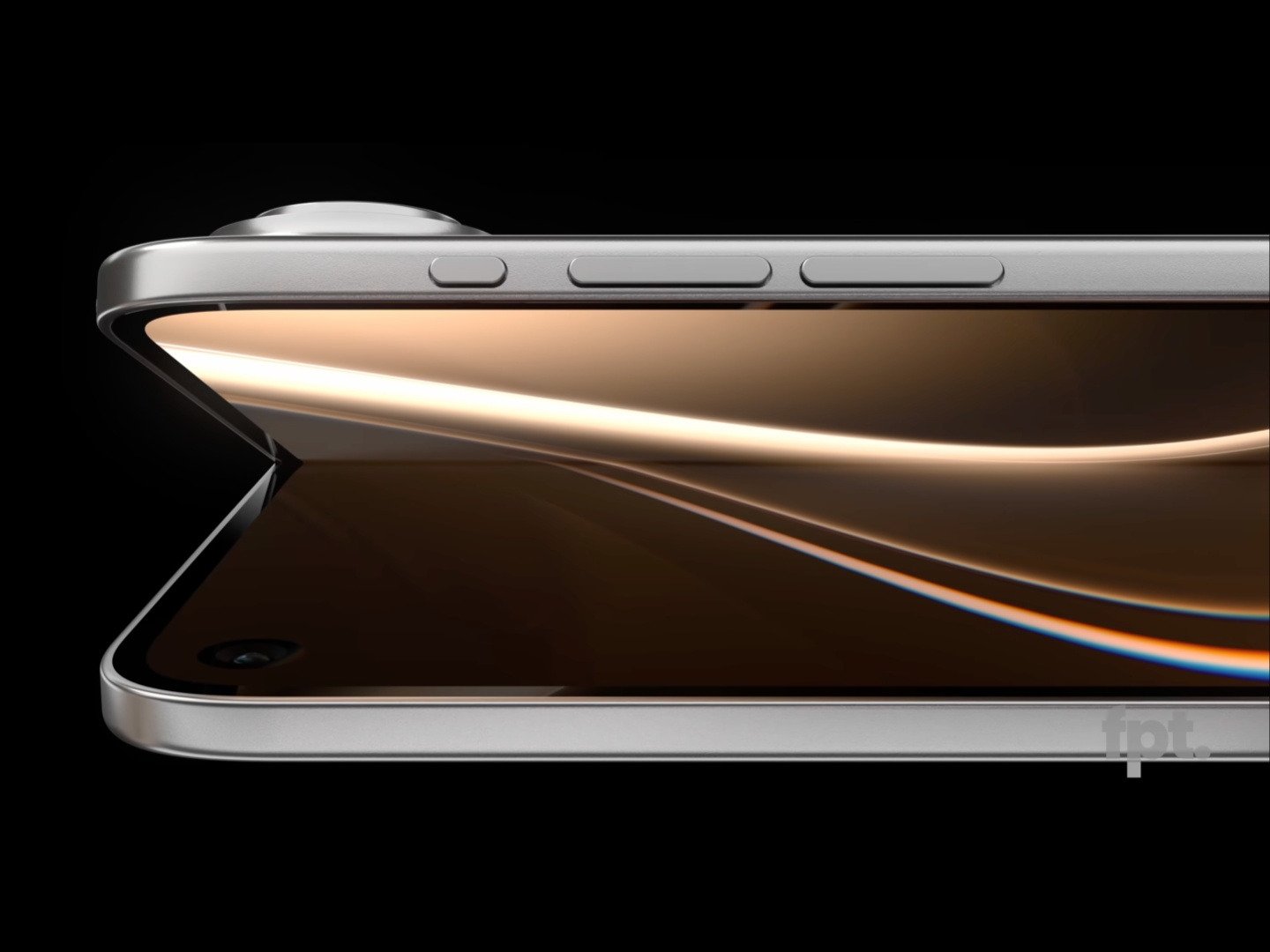
The outer display is 5.5 inches, opening to a 7.8-inch screen with a 4:3 ratio. Touch ID would move into the power button because the half cannot accommodate Face ID. Thinness therefore forces authentication and camera compromises a conventional iPhone avoids.
Prototype handlers reportedly praise the hinge, inward fold and iPad-like layouts on the screen. Those reactions matter because foldables succeed through movement and software, not a static specification. If Apple makes changing postures feel deliberate rather than fragile, it can demonstrate hardware judgment that Pro updates obscure.
Prices may run from $2,000 to $2,500; one leak starts near $2,320 for 256GB. Production estimates are restrictive: 500,000 to one million units during the quarter and seven to eight million over six months. The United States may receive priority, with markets delayed by months.
Four-to-six-week delivery estimates and a sellout would make scarcity a launch feature. Limited production makes sense for a new mechanism, but it concentrates attention on a device most buyers cannot evaluate in stores. The adventurous iPhone could function as a statement of capability rather than a mass-market option.
Camera hardware may reveal a constraint. Reports describe wide and ultrawide lenses but no telephoto module because the body lacks room. At more than $2,000, the foldable would target enthusiasts who care about zoom. Early testers reportedly raised that complaint, showing how novelty can collide with expectations.
If this is accurate, Apple will split excitement unevenly. The Pro gets a new color, modest refinements and a higher bill; the transformative model arrives expensive, scarce and compromised. That is not accidental stagnation. It is an allocation of novelty to the tier with the highest barrier.
The Case Against Calling It Small
Nothing here has been confirmed, and the rumored changes are not trivial. A two-nanometer processor with memory integrated into its package would be a manufacturing advance with thermal effects. Moving premium models to an Apple modem after years of Qualcomm dependence could reshape efficiency and connectivity over several generations.
Variable aperture uses physical optics rather than simulated blur. The Watch side may bring silicon to Series 12 and Ultra 4 after generations built on the S10, while ceramic cases may return after six years. Fans of die layouts, radio design or materials may enjoy this cycle.
The counterargument is simple. A phone is not a semiconductor presentation; it is the object unlocked every day. If the visible change remains a smaller cutout that leakers cannot agree exists, sophisticated internal work may struggle to feel like a compelling purchase for owners of recent models.
I would be happy if the prediction fails. Apple could remove the island rather than shrink it, price the foldable below $2,000 in useful quantities, or extend Siri more broadly. A surprise would mean months of rumor described a phone Apple was not preparing.
What Would Feel Genuinely New
Real change should be judged against meaningful outcomes. The first is an uninterrupted front display, with Face ID beneath the glass. Moving the flood illuminator and leaving a smaller pill may be engineering, but users experience it as a transition rather than a finished design.
Second, deliver headline software to phones people already own—or explain the hardware requirement in language a buyer can verify. Compatibility should mean more than receiving the same version number. Clear thresholds for memory, neural processing and privacy would make limitations feel technical rather than strategically convenient.
Third, restore confidence in battery longevity. Degraded endurance is a common reason many owners around me replace an otherwise adequate phone. Apple can improve efficiency, capacity, repair access or battery health management, but it should not allow predictable aging to become the engine of the upgrade cycle.
Fourth, price the foldable as a product, not a status announcement. A later model that remains available around $1,400 would persuade more than a spectacular debut few people can find. Transformative form factors become meaningful when buyers can choose them without participating in scarcity theater.
Finally, reserve the fastest and most durable storage for the customers paying the largest capacity premium. More expensive tiers should not quietly exchange performance or endurance for density. The principle is obvious enough that it should never need to become a feature announcement.
None of these requests demands novelty. They ask Apple to make improvements visible in daily ownership: a cleaner display, understandable software support, dependable endurance, new hardware and components that become better as the price rises. That is a more useful definition of innovation than another long keynote checklist.
Why I Will Still Watch
The contradictions are why the event remains compelling. A new chief executive leads the keynote, and Apple may reveal its first new iPhone shape since 2017. Even a cautious launch would be an important morning for the industry, and pretending otherwise would be a performance.
I do not expect to preorder. My current phone works, and its photographs remain good despite comparisons that encourage dissatisfaction. The device that truly interests me appears likely to be expensive and supply-constrained. Curiosity survives, but it does not automatically become a purchase.
Five years with the iPhone have taught me that Apple can surprise me. They have taught me the company is skilled at assigning a price to surprise. September 9 will reveal whether the launch offers change—or a more expensive way to recognize the familiar.