










TECH NEWS · SMARTPHONE COMPARISON
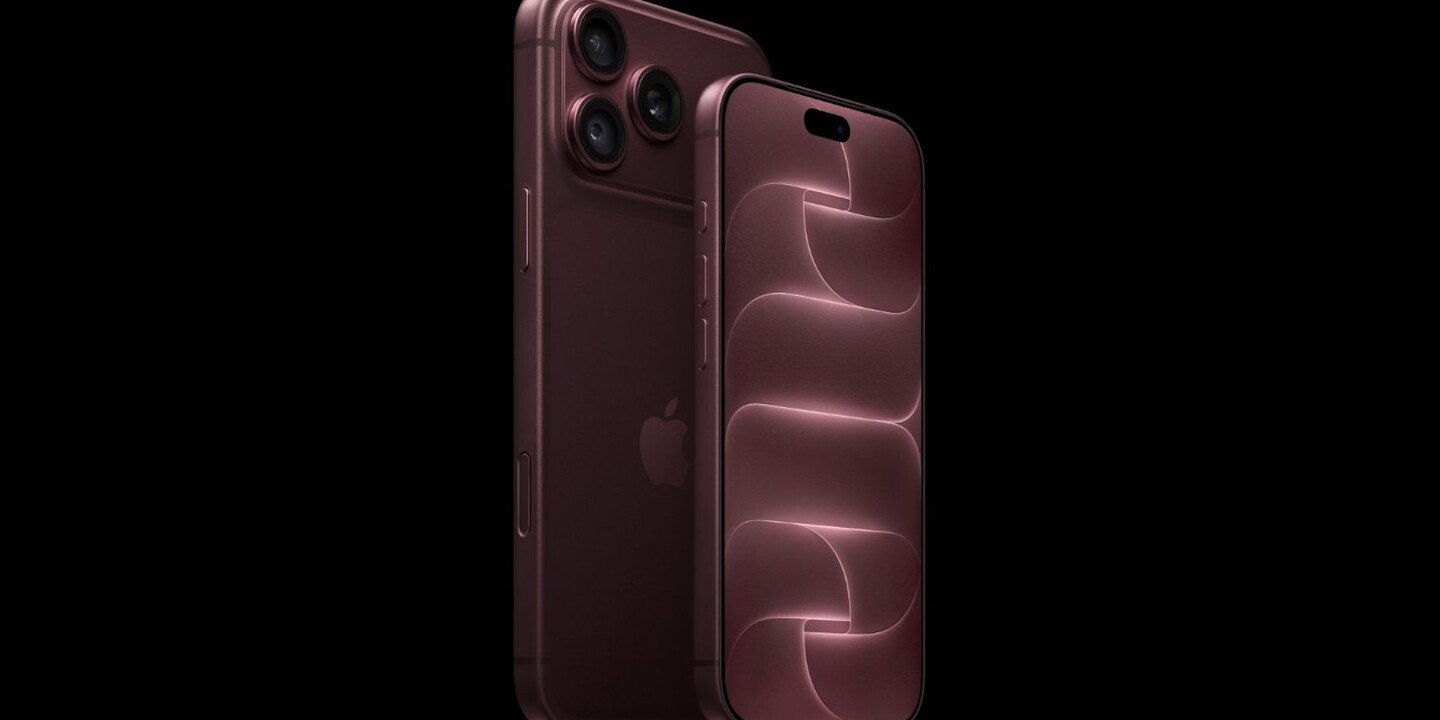
The iPhone 18 Pro keeps a familiar silhouette but adds variable aperture, faster silicon, Apple’s C2 modem and better endurance. For iPhone 17 Pro owners, the camera—not the annual spec bump—decides whether upgrading makes sense.
Apple ended the guessing on September 9. The iPhone 18 Pro and Pro Max now have confirmed prices, September 12 preorders and September 18 availability, giving iPhone 17 Pro owners a real basis for comparison.
The surprise is not a dramatic redesign. It is that Apple brought variable aperture to both Pro sizes rather than reserving the feature for the larger model. That decision makes this generation more meaningful to photographers and video professionals than the modest exterior changes suggest.
For recent Pro generations, the annual improvements often felt cumulative rather than transformative. This time, the main camera changes how the phone controls light and depth of field. That is a specialized upgrade, but for the right user it affects paid work instead of merely improving a benchmark.
The Upgrade Answer in Brief
Existing iPhone 17 Pro owners now have one persuasive reason to trade up: camera control. If the phone regularly earns money through photography or video, variable aperture expands what can be captured before computational processing begins. Anyone who mostly takes casual pictures can comfortably wait.
A20 Pro, better endurance and a smaller Dynamic Island strengthen the case, and the $100 increase is far below prelaunch warnings. Still, this is not urgent: display fundamentals remain familiar, while iOS 27, Apple Intelligence and Siri AI are software features.
Familiar Design, Different Materials
Side by side, the two generations look closely related. The triple-camera platform remains, and Apple returned to aluminum instead of titanium without reshaping the familiar Pro body. An iPhone 18 Pro will not advertise itself across a room.
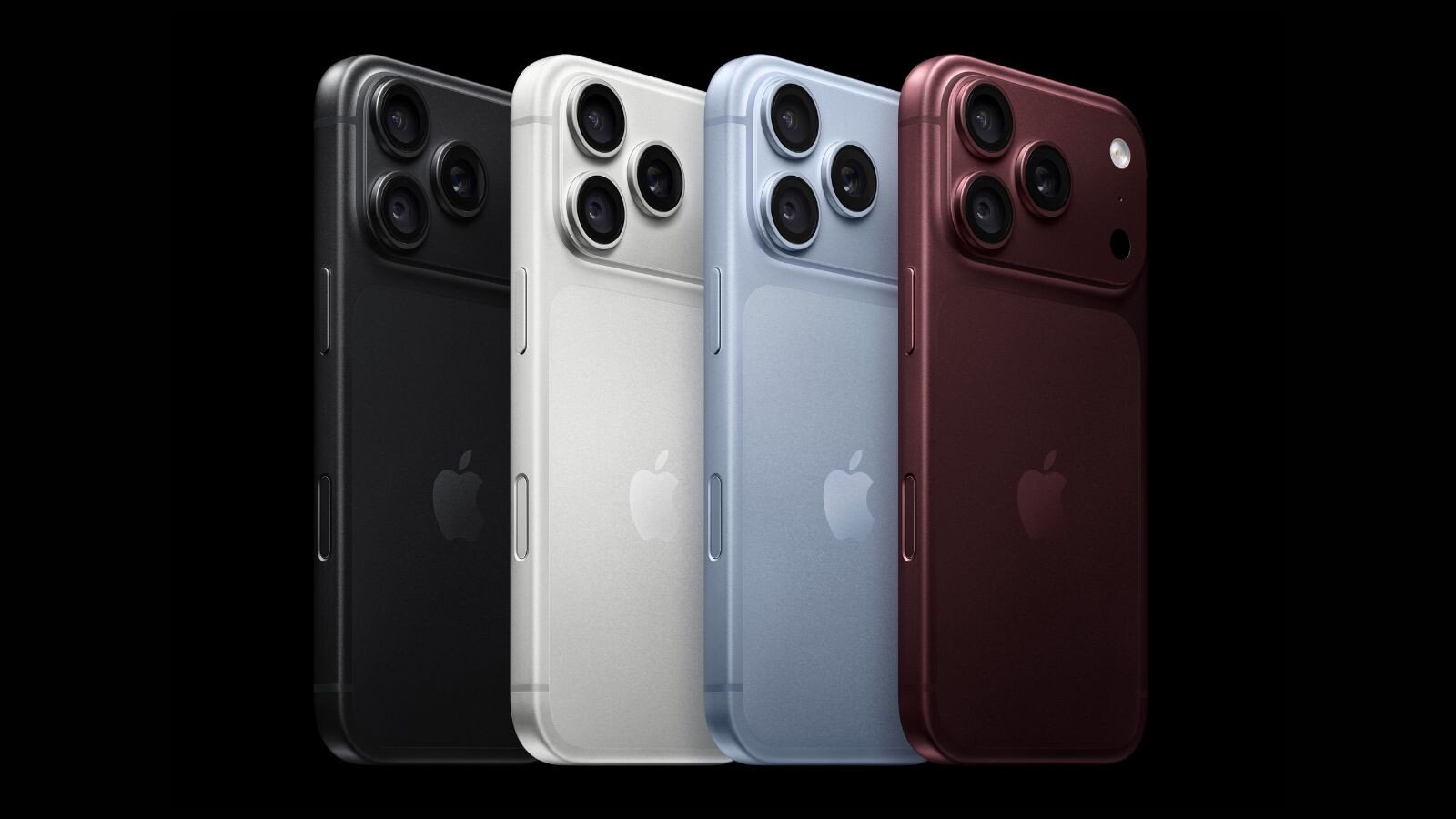
Launch colors are black, silver, glacier and burgundy. Burgundy supplies the clearest new identity; rumored blue and gray finishes never appeared. Anyone expecting a complete exterior redesign will need to look beyond the conventional Pro line.
A Smaller Dynamic Island
The front changes more noticeably. Measurements cited in the comparison place the Dynamic Island near 13.49mm, down from 20.76mm, or roughly 35 percent smaller. The cutout remains, but occupies less of the display.
Functionality expands as well. The updated Island can present three Live Activities simultaneously rather than two, which is useful for people tracking travel, deliveries, timers or sports at the same time. Unlike a hidden internal upgrade, this improvement is visible during ordinary use throughout the day.
Displays remain 6.3 inches on Pro and 6.9 inches on Pro Max. Apple did not confirm the rumored LTPO+ panel, so it should not influence a purchase. The smaller Island is welcome, not a standalone upgrade reason.
The Camera Is the Real Upgrade
The new 48MP Fusion Main camera uses six laser-cut blades to vary its aperture from f/1.48 to f/4. Both iPhone 18 Pro sizes receive the system. The phone can choose an opening automatically for the scene, while photographers can select among four manual aperture settings through the Camera app.
Opening the aperture gathers light and separates subjects; narrowing it keeps more of a layered scene sharp. Rival phones explored this earlier, but Apple brings the control into a widely used Pro workflow with simple manual access.
This matters because it changes the optical capture rather than simulating every choice afterward. Computational photography still shapes the result, yet creators gain an additional decision at the moment of exposure. For product work, portraits, events and low-light video, that flexibility can reduce compromises before editing begins.
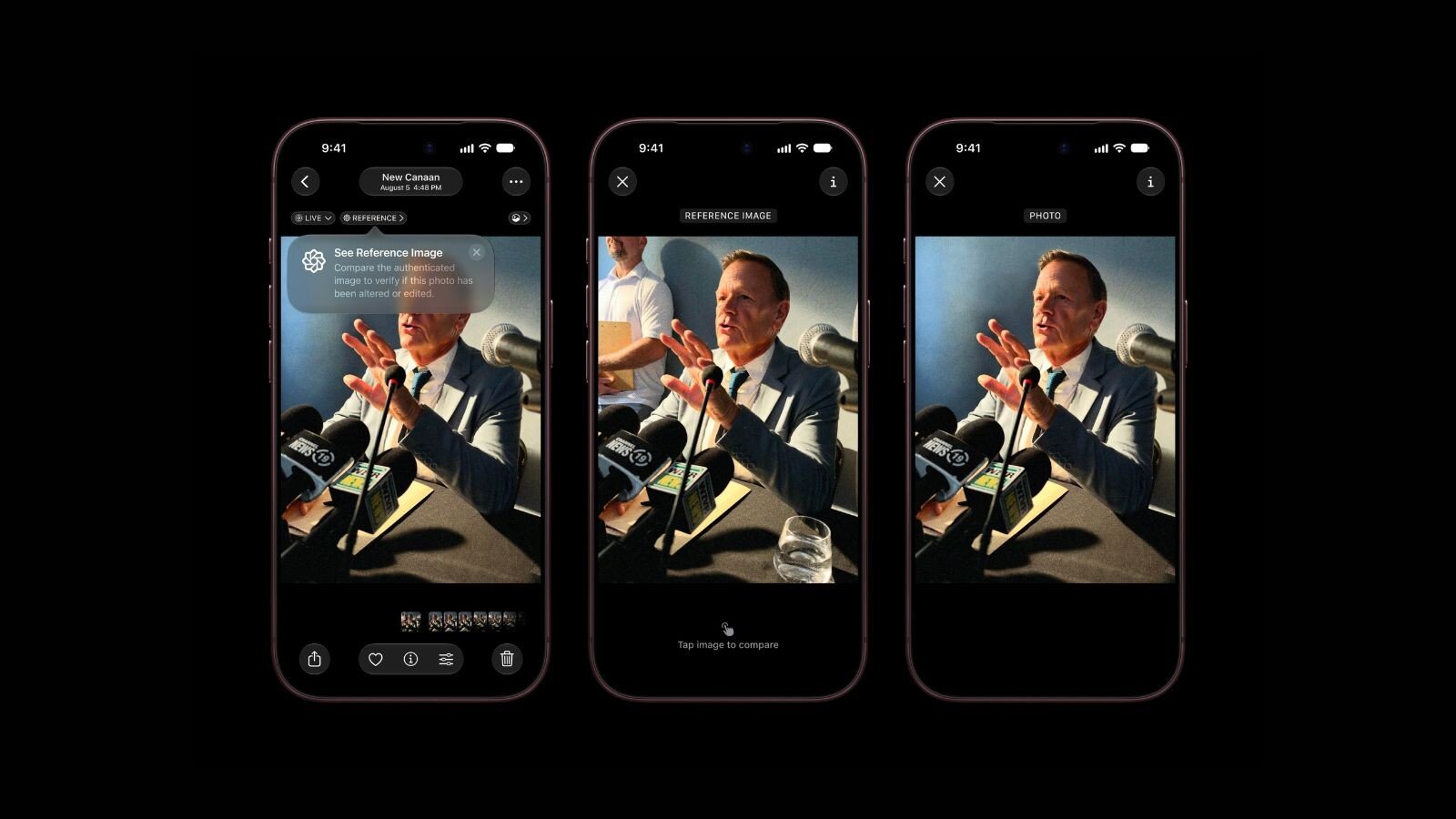
Apple Reference Image serves a different professional need. Optional Reference mode captures signed sensor data that becomes an unalterable comparison image. Photos can show it beside the working file, revealing whether edits changed the original scene.
Improved metadata and planned SynthID support may also flag AI-generated or altered pictures. That matters to photojournalists, commercial photographers and others who need a defensible link between a scene and the published image.
For users who bought the iPhone 17 Pro primarily as a camera, this is the strongest argument for upgrading. People who rarely leave automatic mode will still get good results, but they are less likely to recover the cost of replacing a phone that already photographs everyday life extremely well.
A20 Pro Adds Serious Headroom
Built on a 2nm process, A20 Pro combines a six-core CPU with a seven-core GPU rated up to 40 percent faster than the A19 Pro graphics engine. Memory bandwidth rises by 50 percent, giving demanding games, computational imaging and local AI models more room to move data.
Two 16-core neural engines provide 32 cores overall, which Apple describes as twice the previous generation’s AI capability. The gain matters most for continuous on-device models, not tasks handled mainly in the cloud.
Cooling improves through a vapor chamber with three times more surface area and up to 40 percent better sustained performance. It should reduce throttling in games, exports and local AI, although ordinary users already have ample speed.
C2 Completes Apple’s Modem Shift
The C2 modem is strategically important because it is Apple’s first internal cellular system to cover US mmWave. Previous Apple modem hardware lacked that band, leaving Qualcomm silicon in American models. Bringing mmWave into C2 moves another major component of the Pro phone under Apple’s control.
Apple says C2 uploads faster than C1X while drawing 15 percent less power. The comparison also lists location privacy and 5G satellite support. Real benefits depend on carriers, coverage and where the phone is used.
Most iPhone 17 Pro owners will not feel a dramatic change. US mmWave remains concentrated around airports, stadiums and selected city blocks. C2 matters strategically to Apple; buyers are likelier to notice efficiency and steadier uploads.
Battery and Charging Improve Together
Apple did not publish battery capacities, so unverified milliamp-hour figures should stay out of the decision. What the company does claim is a maximum of 36 hours’ video playback for an eSIM-only iPhone 18 Pro model, while the equivalent Pro Max reaches 45 hours total.
Charging becomes easier to feel than a capacity number. A wired connection can take the iPhone 18 Pro to 50 percent in roughly 15 minutes, while wireless charging reaches the same level in about 30 minutes. That makes a short stop more useful for people who record, navigate or travel heavily.
Pro Max delivers the largest endurance story, but standard Pro still gains faster recovery and efficient silicon. The source’s unfinished battery verdict points the same way: useful daily improvements arrive without a published capacity figure.
The Price Increase Stayed Manageable
Prelaunch estimates warned of a possible $300 increase, but the actual step is $100. Apple opens iPhone 18 Pro pricing at $1,199, up from $1,099 for the 17 Pro, and puts Pro Max at $1,299. This remains premium pricing, though the increase is easier to tie to a tangible camera upgrade.
Samsung’s Galaxy S26 Ultra starts near the old iPhone 17 Pro price of $1,099. That comparison does not make Apple’s phone cheap; it simply places the increase within a flagship market facing higher component costs.
Apple advertises trade-in credit up to $885 plus installment plans. A strong offer can reduce the gap, but owners should compare it with another year of 17 Pro use. Monthly pricing cannot create a need for unused camera tools.
Who Should Buy Which Model?
The decision becomes clearer when it is tied to actual habits instead of launch excitement.
Choose the iPhone 18 Pro if:
- Variable aperture and manual camera controls affect paid or serious creative work.
- Faster wired charging would materially improve your daily routine.
- The smaller Dynamic Island is a visible quality-of-life improvement you value.
- You intend to keep the next phone long enough to benefit from extra processing headroom.
- A $100 generation-over-generation increase fits your budget without relying on an optimistic trade-in.
Keep the iPhone 17 Pro if:
- You already own it and rarely use the phone for professional photography or video.
- Display size and refresh rate matter more to you than manual optical control.
- Your main interest is Siri AI or Apple Intelligence features likely to arrive through software.
- The $1,199 starting price would stretch your budget or shorten your preferred upgrade cycle.
The Final Recommendation
At first, the obvious advice was for most iPhone 17 Pro owners to wait. Variable aperture on both Pro sizes and a smaller-than-rumored price increase complicate that answer. The phone is familiar, but its best feature is not Max-only.
For someone earning money with iPhone photography, the combination of optical aperture control, manual settings and Reference Image can justify the $100 generational increase. Faster charging, stronger sustained performance and the C2 modem add useful support, even if none would independently demand a trade.
Everyone else should wait. iPhone 17 Pro remains powerful, display fundamentals barely change, and many AI promises belong to iOS rather than new hardware. Upgrade for a camera workflow you need now, not software that may reach your existing phone. That distinction keeps the decision grounded in present value instead of the excitement of launch week.