










TECH NEWS · EXTENDED REALITY
Leaked Project Phoenix renders suggest Meta is moving computing weight away from the face. The headline number is a 90-degree view, but the design’s ordinary-looking nose pads may tell the more important story.
Meta’s next headset finally has a visible shape, although the company did not unveil it onstage. Images of Project Phoenix were found inside Meta’s free HorizonOS Prescription Lens app, where they were reportedly uncovered by leaker Luna before Connect 2026.
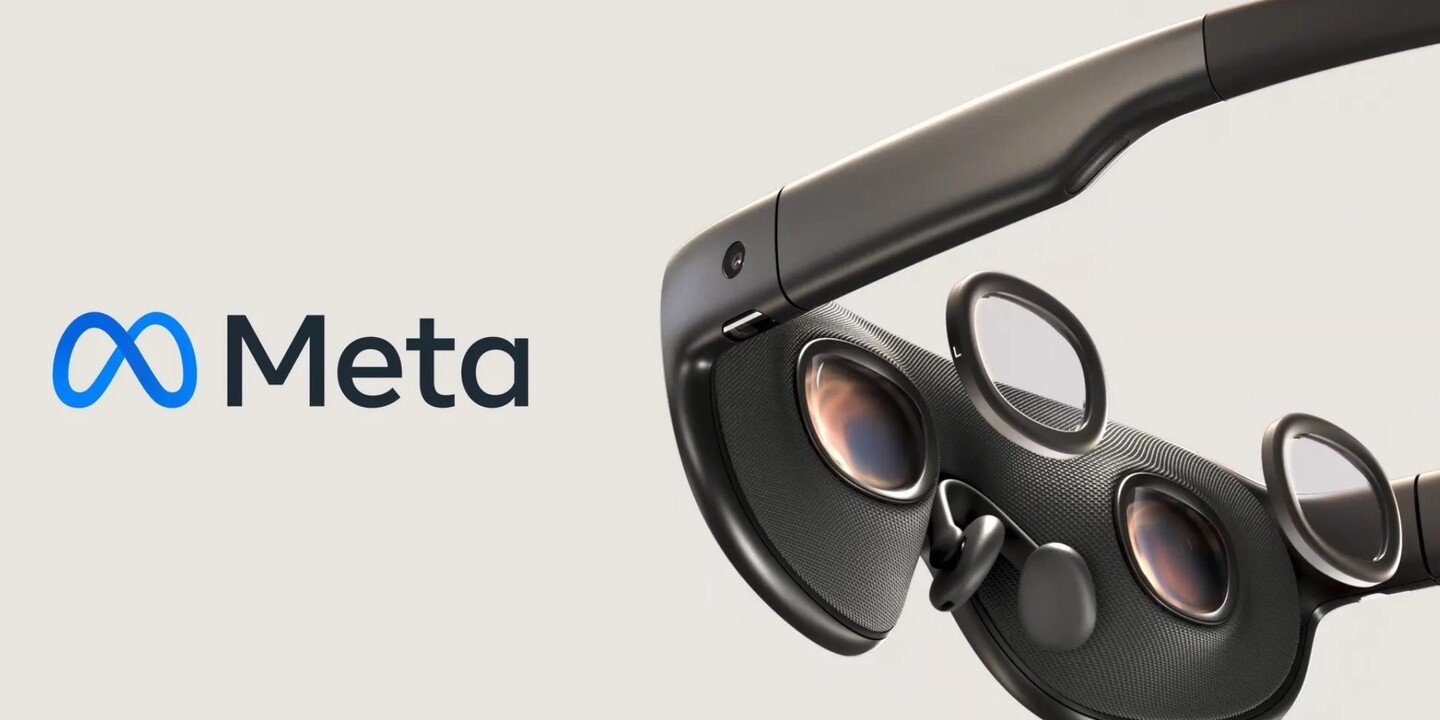
The hardware shown is closer to dark eyewear than a Quest headset. Its sides remain open, two small supports sit on the nose, and a cable exits the left arm toward a separate computing unit. That arrangement immediately reframes what Meta may be optimizing.
Comfort Starts at the Bridge
The bridge is supported by two compact pads rather than a sealed facial gasket. Peripheral vision therefore stays exposed, making the device feel conceptually nearer to glasses than a visor. A forward-facing camera appears at each temple, while another line of sensors is visible underneath the frame.
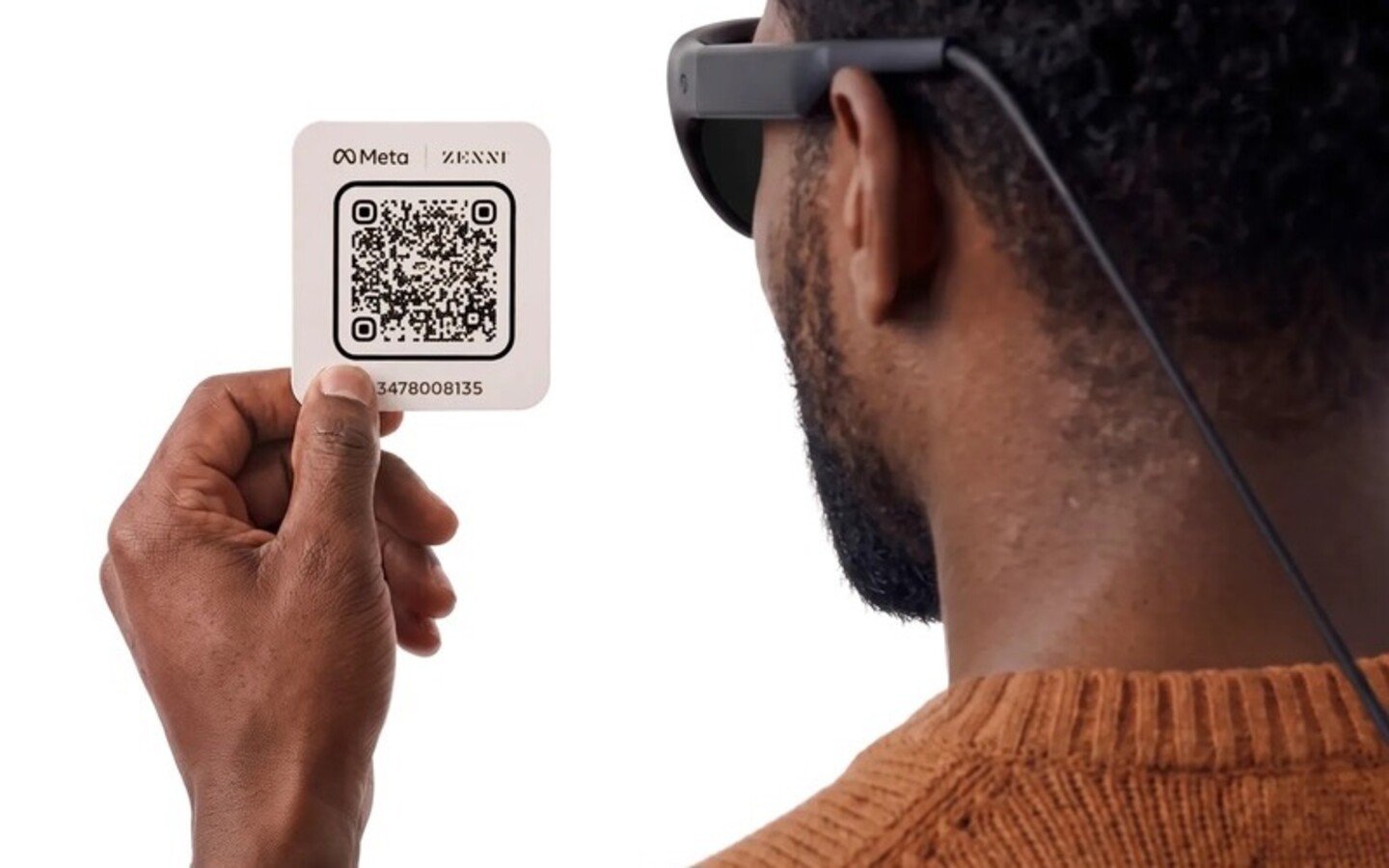
Observers have counted 10 sensors, suggesting a mix of passthrough, spatial tracking, and eye monitoring, though those assignments remain speculative until Meta publishes specifications. More revealing are the Zenni-branded prescription inserts. Pairing appears to require holding a QR card near the face—an inelegant setup, but one that shows prescription support is being built into ownership rather than treated as an accessory.
The 90-Degree Debate
Viewed only as a specification, the rumored 90-degree field of view appears disappointing beside Quest 3’s 110 degrees. That comparison has driven much of the reaction. It is also incomplete, because Phoenix seems to be pursuing Micro-OLED displays and a frame light enough to behave more like everyday eyewear.
A narrower window may be a sensible exchange if it reduces bulk and extends comfortable sessions. Ninety degrees is in the territory occupied by Quest 2 and Rift S, neither of which made immersion impossible. For work screens, media, and spatial tools, wearability could matter more than stretching imagery farther toward the edges.
Where the Missing Weight Went
That trailing cable is the visible price of moving mass away from the head. In the setup render, it runs behind the wearer’s ear and continues toward a puck stored in a pocket. Processing hardware and battery capacity removed from the frame still need a home, and the external module appears to provide it.
A pocket computer may look less futuristic than a completely self-contained headset, but comfort changes the calculation. Resolution and performance stop impressing when pressure builds across the cheeks and forehead. If Phoenix avoids the fatigue associated with a roughly half-kilogram visor, a cable could be easier to accept than another heavy strap.
A Leak With Convenient Timing
The discovery path is as revealing as the renders. In August, Meta released an empty placeholder called the HorizonOS Prescription Lens app, delivered as a ZIP instead of an APK. A September update added the images. Phoenix has carried the names Stanley and Loma, with sales not expected until next year; Meta Connect opens September 23 with controller-free interaction on the agenda.
Leaks can exaggerate unfinished details, so final hardware may differ. Still, these images present a coherent trade: less visual enclosure, an external puck, and a potentially smaller field of view in return for something people might tolerate longer. If that bargain works, Project Phoenix’s modest nose pads may prove more consequential than its loudest number.