

Recent Posts










Oxalates occur naturally in many nutritious foods. Despite alarming claims online, most people do not need to remove them from their diet.
Key takeaways
- Oxalates are natural plant compounds found in foods such as spinach, beetroot, rhubarb, nuts, tea, coffee, and some berries.
- They can bind to minerals—especially calcium—which is why they are sometimes described as antinutrients.
- Eating oxalate-containing foods is considered safe for most healthy people.
- Oxalates are relevant to certain types of kidney stones, but calcium intake, hydration, sodium, overall diet, and medical history also influence risk.
- Evidence does not show that dietary oxalates cause autism or vulvar pain.
- A medically supervised low-oxalate diet may be appropriate for some people with recurrent calcium oxalate stones, intestinal absorption disorders, or primary hyperoxaluria.
Why have oxalates become so controversial?
Oxalates have recently become a popular target in online nutrition discussions. Some posts portray them as hidden toxins responsible for kidney stones, inflammation, mineral deficiencies, chronic pain, and even neurological conditions.
The reality is less dramatic.
Oxalates are neither a newly discovered threat nor an artificial food additive. They are naturally present in many plants, including foods that are widely associated with good health. Although oxalates can cause problems in particular circumstances, the evidence does not support the idea that everyone should avoid them.
Understanding the difference between a biological effect and a genuine health risk is essential. A substance may interact with the body without becoming dangerous under normal dietary conditions.
The more useful question is therefore not whether oxalates are good or bad. It is whether they present a meaningful risk for a particular person.
What exactly are oxalates?
Oxalate is the negatively charged form of oxalic acid. In everyday nutrition discussions, the terms “oxalate” and “oxalic acid” are often used interchangeably.
Plants produce oxalates as part of their normal metabolism. These compounds may help regulate minerals, defend against insects, and manage calcium inside plant tissues.
The human body also produces a certain amount of oxalate as a metabolic by-product. Oxalate therefore comes from two broad sources:
- Dietary oxalate, which enters the body through food and drinks.
- Endogenous oxalate, which is produced internally, mainly by the liver.
After oxalate enters the digestive system, some of it binds to minerals and leaves the body in stool. Another portion may be absorbed into the bloodstream, filtered by the kidneys, and removed in urine.
Problems can arise when unusually large amounts reach the urine or when conditions favor the formation of calcium oxalate crystals. For most people eating a varied diet, however, normal oxalate exposure is not harmful.
Which foods contain oxalates?
Oxalates are distributed across a wide range of plant foods. Some contain only small quantities, while others can contain considerably more.
Foods commonly identified as higher in oxalates include:
- spinach
- Swiss chard
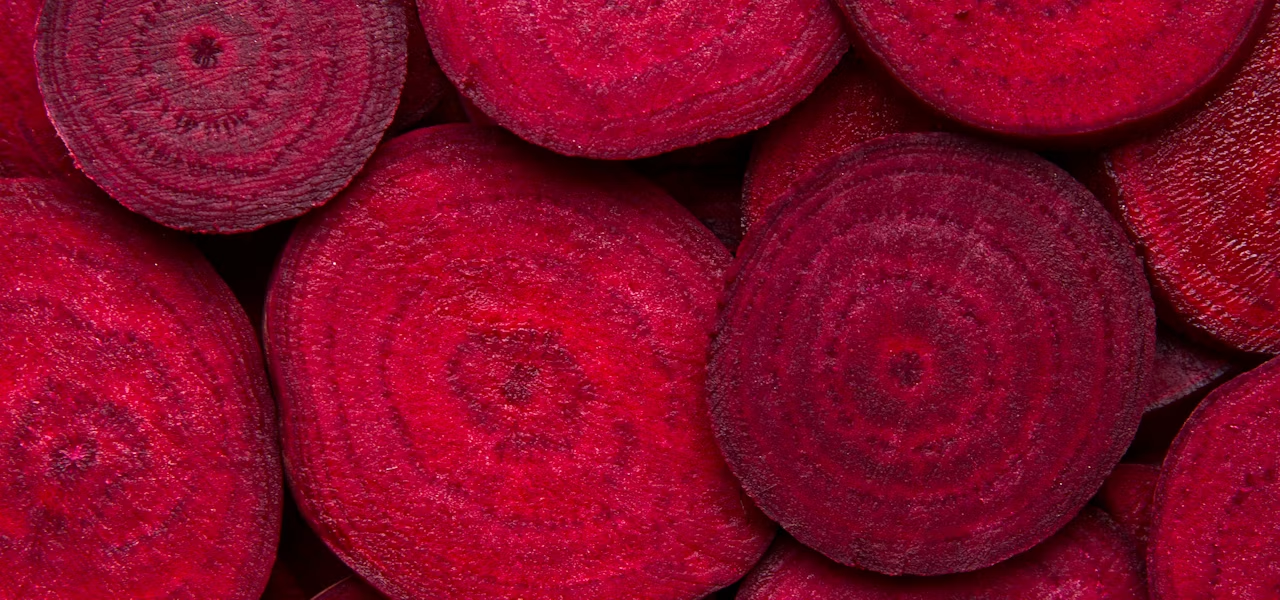
- beetroot and beet greens
- rhubarb, particularly its leaves
- almonds and certain other nuts
- wheat bran
- some beans
- tea
- cocoa and chocolate
- some berries
- turnips and parsnips
The amount in a food is not always fixed. Oxalate levels can vary according to the plant variety, growing conditions, maturity, preparation method, and portion size. Different food databases may therefore provide different values for the same ingredient.
Cooking can also affect the final amount. Boiling certain vegetables and discarding the water may reduce soluble oxalate, while baking or steaming may have a smaller effect.
This variability makes universal lists of “safe” and “unsafe” foods less reliable than they first appear.
More importantly, many oxalate-containing foods also provide fiber, vitamins, minerals, polyphenols, and other beneficial plant compounds. Eliminating them without a medical reason could make a diet less varied and potentially less nutritious.
Does the term “antinutrient” mean oxalates are harmful?
Oxalates are frequently called antinutrients because they can attach to minerals in the digestive tract. Calcium is particularly relevant. When calcium and oxalate bind together, the resulting compound is less available for absorption.
The word “antinutrient” can sound more alarming than the process deserves. It does not mean that an oxalate-containing meal removes minerals from the entire body or makes the rest of the diet nutritionally useless.
Its effect is mainly related to the minerals present in the digestive tract at the same time. A high-oxalate food may provide calcium that is not absorbed efficiently, but adequate calcium can still be obtained from other foods and meals.
Nutrition is shaped by the complete dietary pattern rather than a single chemical interaction. Someone who eats a varied diet and receives enough calcium and other essential nutrients is unlikely to develop a mineral deficiency simply because they eat spinach, nuts, or berries.
The same principle applies to many substances labeled as antinutrients. Their effects depend on dose, preparation, overall nutrition, and individual health—not merely on their presence.
Is oxalic acid toxic?
Pure oxalic acid can be toxic in a sufficiently concentrated dose. That fact is sometimes used to suggest that ordinary oxalate-containing foods are dangerous.
However, toxicity depends heavily on quantity and exposure.
The amount of oxalic acid required to cause severe acute poisoning is far beyond what someone would normally consume from a balanced diet. Reaching such a level through food would generally require an extreme and unrealistic intake of a highly concentrated source.
Rhubarb leaves are a notable exception and should not be eaten. They contain substances capable of causing poisoning, including high concentrations of oxalates.
For everyday foods consumed in normal portions, acute oxalate poisoning is not a realistic concern for most people. Long-term health questions are more relevant to individuals who absorb or produce unusually large amounts of oxalate or who are susceptible to kidney stones.
Oxalates and kidney stones
Kidney stones are the main medical reason oxalates receive attention. Calcium oxalate is the most common material found in kidney stones, and higher urinary oxalate levels can contribute to crystal formation.
This connection is real—but it is often oversimplified.
Eating an oxalate-containing food does not automatically cause a kidney stone. Stone formation depends on several interacting factors, including:
- urine volume
- hydration
- urinary calcium and oxalate concentrations
- sodium intake
- citrate levels
- animal-protein intake
- intestinal absorption
- genetics
- medications
- previous stone history
A person who has never experienced kidney stones and has no relevant medical condition is not usually advised to follow a strict low-oxalate diet.
For people who have had stones, the type of stone should be identified before making major dietary changes. Advice suitable for calcium oxalate stones may not be appropriate for uric acid, calcium phosphate, or cystine stones.
The U.S. National Institute of Diabetes and Digestive and Kidney Diseases advises that hydration is one of the most important preventive measures. It also notes that diet should be adjusted according to stone type and individual risk factors. NIDDK kidney-stone guidance
Why eating less calcium may backfire
Because many stones contain calcium, people sometimes assume that reducing calcium must lower their risk. For calcium oxalate stones, this assumption can be misleading.
Calcium can bind to oxalate while both are still inside the intestine. When they attach there, less free oxalate is available to enter the bloodstream and eventually reach the kidneys. Much of the bound material instead leaves the body in stool.
If a diet contains too little calcium, more oxalate may remain available for intestinal absorption. This may raise urinary oxalate levels in susceptible individuals.
A controlled feeding study found that consuming the recommended daily amount of calcium helped limit stone risk even when participants ate a relatively high-oxalate diet. The relationship between calcium and oxalate at meals may therefore matter more than simply eliminating oxalates. Calcium-to-oxalate study
For many people at risk of calcium oxalate stones, practical guidance may include consuming appropriate calcium-rich foods with meals. Depending on dietary preferences, sources could include dairy products, calcium-set tofu, fortified foods, and other options recommended by a dietitian.
Calcium supplements are not necessarily equivalent to food-based calcium. Their effect may depend on dose and timing, so people with a history of stones should discuss supplements with a healthcare professional.
The gut microbiome adds another layer
Not every person absorbs dietary oxalate in the same way. The gut microbiome may help explain some of this variation.
Certain intestinal bacteria can break down oxalate before it is absorbed. One of the best-known examples is Oxalobacter formigenes, a microorganism that depends on oxalate as an energy source. Other bacterial species may also participate in oxalate metabolism.
In theory, a gut community that efficiently processes oxalate could reduce the amount reaching the kidneys. Researchers have explored whether the absence of these organisms might contribute to urinary oxalate levels or stone susceptibility.
The science is still developing, however. Researchers do not yet have enough evidence to recommend a specific probiotic as a reliable treatment or preventive strategy for calcium oxalate stones.
The microbiome helps illustrate why broad food rules can be misleading. Two people may eat similar quantities of oxalate yet absorb and excrete different amounts.
Does oxalate cause vulvar pain?
Some claims about oxalates extend far beyond kidney health. One of them links dietary oxalate to vulvodynia, a condition involving persistent pain, burning, or discomfort around the vulva.
Interest in this theory was influenced by a small study published in the 1990s. Some participants with vulvar pain had elevated urinary oxalate, and a minority reported improvement after interventions intended to reduce oxalate.
Those findings did not establish that dietary oxalate caused the condition. Not all participants had elevated levels, and only a limited proportion improved.
A larger case-control study published in 2008 compared the diets of 242 women with vulvodynia and 242 control participants. It did not find evidence that greater dietary oxalate intake increased the risk of developing vulvodynia. Vulvodynia study
Vulvar pain can have multiple contributing factors and deserves proper medical evaluation. Following a highly restrictive diet without evidence may delay more appropriate investigation or treatment.
What does the evidence say about autism?
Another online claim suggests that oxalates cause autism or that a low-oxalate diet can treat it. Current evidence does not support either conclusion.
A small cross-sectional study compared 36 autistic children and adolescents with 60 non-autistic participants. The researchers reported higher blood and urinary oxalate levels in the autistic group.
This was an interesting observation, but the study could not determine cause and effect. It did not show that oxalate exposure contributed to the development of autism. It also could not determine whether the difference resulted from diet, metabolism, intestinal absorption, kidney handling, medication use, or another factor. Original autism and oxalate study
Small studies need to be replicated in larger, well-controlled populations before they can support clinical recommendations. At present, there is no convincing evidence that consuming oxalate-containing foods causes autism.
Reports that low-oxalate diets improve behavior have largely come from uncontrolled surveys and personal observations. Such reports cannot reliably separate the effect of the diet from expectation, simultaneous interventions, natural behavioral variation, or reporting bias.
Restrictive diets can also create nutritional, financial, and social burdens—especially for children who already eat a limited range of foods. Families considering any elimination diet should consult an appropriately qualified clinician or registered dietitian.
Who may need to limit oxalates?
Most people can continue eating oxalate-containing plants as part of a balanced diet. Some individuals, however, may receive medical advice to moderate their intake.
This may include people with:
Recurrent calcium oxalate kidney stones
A clinician may recommend reducing selected high-oxalate foods after evaluating stone composition, urine chemistry, fluid intake, sodium consumption, calcium intake, and other risk factors.
Primary hyperoxaluria
Primary hyperoxaluria is a group of rare inherited disorders in which the liver produces excessive oxalate. This can lead to repeated stones, calcium deposits in the kidneys, kidney damage, and—in severe cases—oxalate accumulation elsewhere in the body.
Because the condition is driven by internal oxalate production, treatment involves considerably more than ordinary dietary restriction. Anyone with suspected primary hyperoxaluria requires specialist medical care. MedlinePlus Genetics
Conditions that increase intestinal oxalate absorption
Some digestive disorders can cause fats to be absorbed poorly. Unabsorbed fat may bind to calcium, leaving more oxalate free to enter the bloodstream. This process is known as enteric hyperoxaluria.
It may occur in association with:
- inflammatory bowel disease
- short bowel syndrome
- chronic fat malabsorption
- certain pancreatic or intestinal conditions
- some types of weight-loss surgery
People in these groups should receive individualized advice rather than attempting a generic online low-oxalate diet.
A strong personal or family history of stones
A family history does not mean a person must automatically eliminate oxalates. It may, however, justify discussing risk factors with a healthcare professional—particularly if urinary symptoms or previous stones are present.
A sensible approach to oxalates
For someone without a diagnosed oxalate-related condition, there is little reason to fear an occasional spinach salad, cup of tea, serving of nuts, or portion of beetroot.
A practical approach focuses on overall balance:
Eat a varied range of plants
Repeatedly consuming very large portions of one high-oxalate food is different from eating a broad selection of fruits, vegetables, legumes, nuts, seeds, and whole grains.
Dietary variety reduces dependence on any single food while providing a wider range of fibers and plant compounds.
Obtain enough calcium
Adequate calcium supports bones and may reduce intestinal absorption of oxalate. People who avoid dairy should identify suitable alternatives rather than assuming they receive enough.
The appropriate source and amount can vary with age, health status, medication use, and stone history.
Stay adequately hydrated
Greater urine volume dilutes substances that contribute to stone formation. Water requirements vary, especially for people with kidney, heart, or other medical conditions, so individualized guidance may be necessary.
Pay attention to sodium
High sodium intake can increase urinary calcium and may raise stone risk in susceptible people. Reducing heavily salted and highly processed foods may be more useful than eliminating every plant that contains oxalate.
Avoid unnecessary restriction
A lengthy forbidden-food list can reduce dietary diversity and make eating unnecessarily stressful. Restriction should have a clear medical purpose and ideally be guided by stone analysis, urine testing, or a diagnosed condition.
Seek personalized advice after a kidney stone
Someone who has passed a stone should ask whether it was analyzed. Knowing the type is far more useful than assuming oxalate was responsible.
A clinician or renal dietitian can then design an appropriate plan based on the person’s urine chemistry, diet, and health history.
Frequently asked questions
Which foods contain the most oxalate?
Spinach, rhubarb, Swiss chard, beet greens, almonds, wheat bran, and certain other plant foods are commonly classified as high in oxalate.
However, published values vary, and portion size matters. A food appearing on a high-oxalate list does not mean everyone needs to avoid it.
Are blueberries high in oxalates?
Blueberries are generally not considered one of the most concentrated sources compared with foods such as spinach or rhubarb. Reported values differ between databases, so people following a medically prescribed limit should use the reference recommended by their dietitian.
Can cooking reduce oxalates?
Boiling may reduce the soluble oxalate content of some vegetables, particularly when the cooking water is discarded. The reduction varies by food and preparation method.
Do oxalates remove calcium from the body?
Oxalates can bind to calcium present in the digestive tract and reduce absorption from that meal. They do not simply extract calcium from bones or remove all calcium from the body.
Should people with kidney stones stop eating all oxalates?
Not necessarily. Kidney stones have different compositions, and even calcium oxalate stones are influenced by many factors. Hydration, calcium, sodium, citrate, protein intake, and underlying medical conditions may all be relevant.
A strict diet should not be started until the stone type and individual risk factors have been assessed.
Can a low-oxalate diet treat autism?
There is no reliable evidence that a low-oxalate diet treats autism, and dietary oxalate has not been shown to cause autism. Restrictive diets in children should only be considered with qualified nutritional and medical supervision.
The bottom line
Oxalates are a good example of how a scientific term can become distorted when it enters online wellness culture. They have genuine biological effects, and they can be medically important—but only in the right context.
For most people, oxalates consumed through a varied diet are not a meaningful danger. Many foods that contain them are also valuable sources of fiber, micronutrients, and beneficial plant compounds. Removing those foods without a specific reason may produce more disadvantages than benefits.
Kidney-stone risk deserves a more individualized approach. Adequate hydration, appropriate calcium intake, sodium reduction, stone analysis, and professional guidance are often more useful than indiscriminately avoiding vegetables, nuts, and berries.
The evidence connecting oxalates with vulvodynia is unconvincing, while claims that oxalates cause autism are unsupported. A single small or observational study should not be treated as proof—especially when restrictive diets may carry their own risks.
For most people, the sensible conclusion is reassuring: eat a diverse diet, obtain enough calcium, stay hydrated, and do not allow the label “antinutrient” to turn nutritious plant foods into something to fear.
Medical note: This article is intended for general education only. Anyone with recurrent kidney stones, kidney disease, primary hyperoxaluria, intestinal malabsorption, or a medically prescribed dietary restriction should seek individualized advice from a qualified healthcare professional.