









IFA 2026 · PCS AND LAPTOPS
Berlin’s most memorable computers rejected the familiar gray slab, pairing expandable displays and unusual cooling with lighter bodies, repairable parts and compact local-AI hardware.
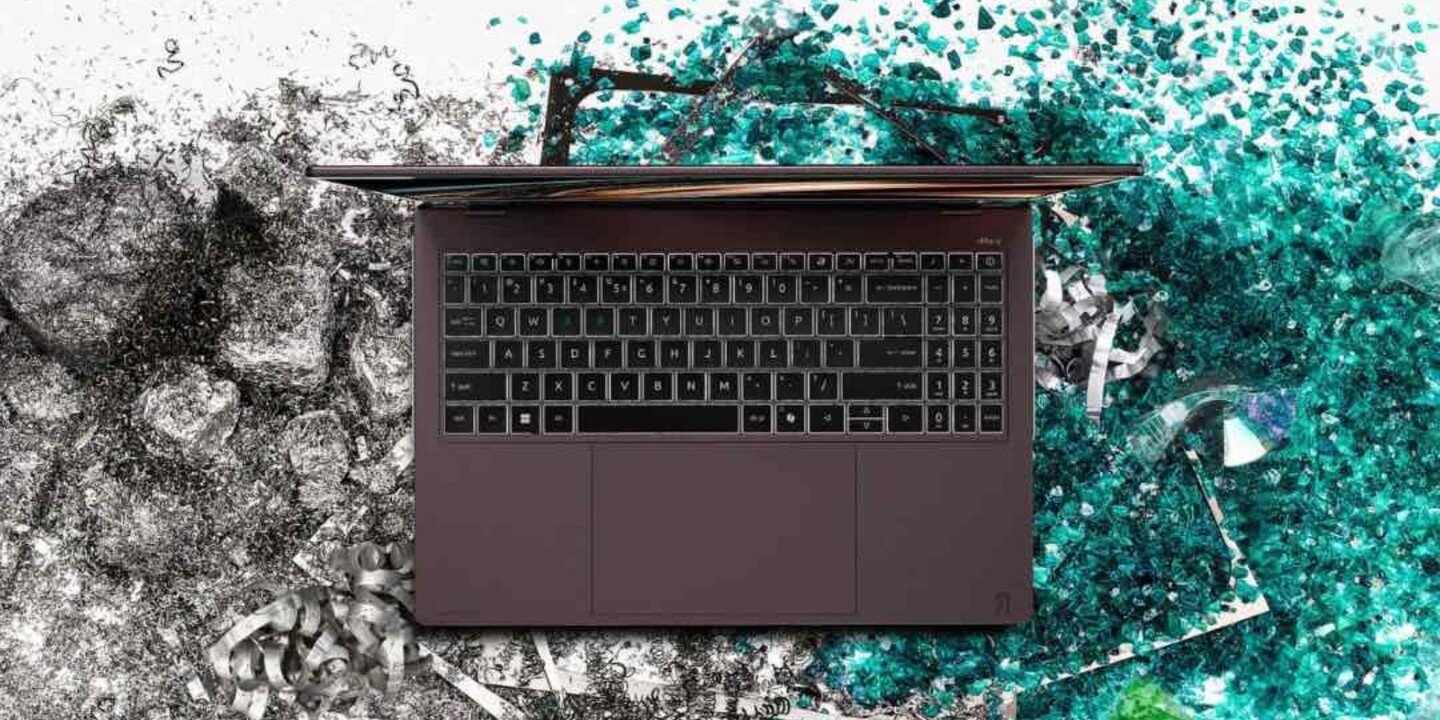
Laptop design has spent several years settling into a dependable but forgettable formula: gray metal, dark keys and a large trackpad. Performance improved dramatically, yet personality disappeared. Even an excellent MacBook Air can fade into a meeting room filled with nearly identical rectangles.
IFA 2026 finally disturbed that calm. The show delivered screens that widen on command, handhelds that turn into miniature notebooks and a thin machine cooled by ultrasonic airflow rather than ordinary spinning fans. Not every experiment deserves a retail box, but each made computers feel playful again.
Nine concepts stood out across the event. Lenovo’s Project AeroBlade was the one that immediately felt less like theater and more like a product I would genuinely carry.
Lenovo Project AeroBlade
AeroBlade challenges the usual compromise behind fanless laptops. Four compact Frore AirJet modules generate airflow through ultrasonic vibration, promising sustained cooling without blades or fan noise. The 14-inch concept is under 10 millimeters thick and weighs below 830 grams, while still offering an OLED display, Thunderbolt 4, Wi-Fi 7 and a magnesium-aluminum body.
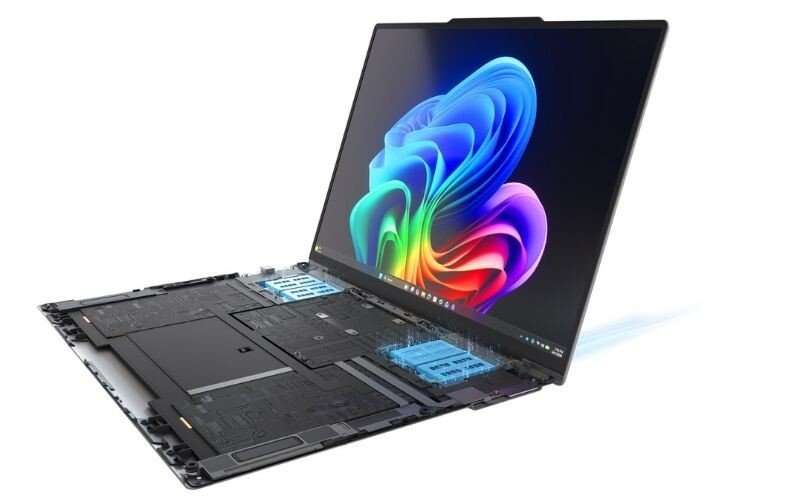
AirJet has appeared in prototypes before, but Lenovo often moves strange ideas toward production. If performance holds, a 2027 release sounds plausible.
Acer Swift Blade 14
Acer answered with an even lighter notebook. The Swift Blade 14 weighs 799 grams, yet it is presented as a full computer rather than an engineering demo. Its specifications include an 1800p OLED panel, Intel Core Series 3 processors, and practical memory and storage options.
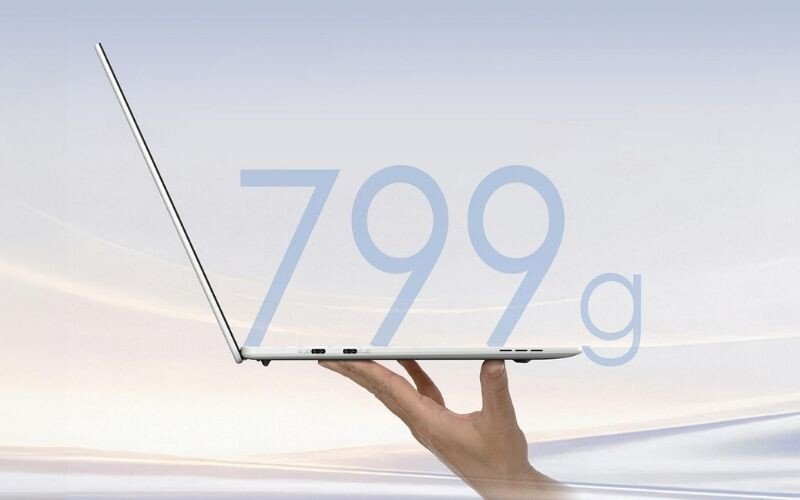
The concern is its 50 Wh battery. Extreme weight reduction usually demands a sacrifice, and unplugged endurance is likely it. Commuters climbing station stairs may still accept that exchange.
Lenovo ThinkBook Project Swan
Swan takes a different route to mobility. It begins as a 14-inch ThinkBook, then its flexible OLED rolls sideways until the display measures 17 inches. The resulting 16:9 canvas is broad enough for two documents, a dashboard or editing panels without turning the notebook into a permanently oversized machine.
Housing both the motor and rolled panel in the lid creates predictable drawbacks. Early demonstrations suggest a top-heavy feel and a more limited opening angle. Even so, Lenovo already sells a vertically expanding ThinkBook, giving Swan better commercial odds than most concepts shown behind glass.
Acer Project DualPlay Mini
DualPlay Mini is the show’s delightful oddball. Acer placed an eight-inch rotating screen above a hidden QWERTY keyboard. Lift and swivel the display, and what first resembles a Windows gaming handheld becomes a tiny clamshell computer.
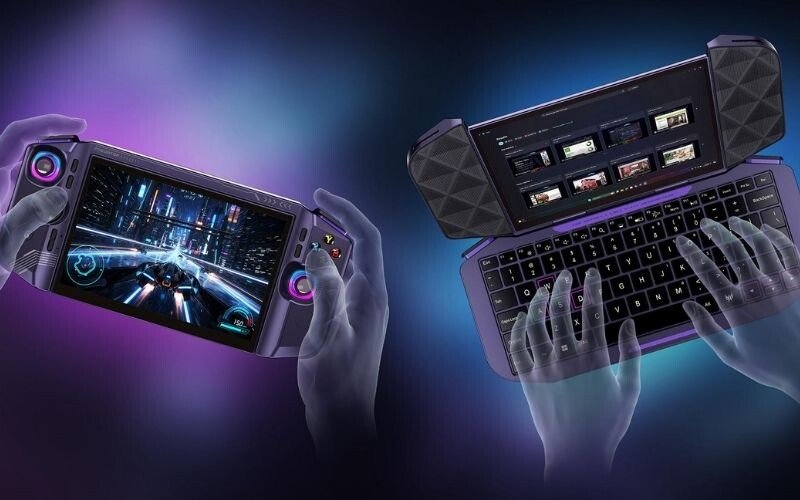
It is effectively a netbook rebuilt for the handheld era. A small display and missing touchpad would make serious spreadsheet work uncomfortable, but Arc G3 graphics, real keys and easy monitor docking create an unusual mix for strategy games, messages and travel. Production seems doubtful; the idea remains charming.
Acer Vero 16
Repairability provides a quieter kind of innovation. On the Vero 16, the battery and SSD are designed for straightforward replacement, while even the hinges can be removed. Reworking a structural component takes more commitment than adding recycled packaging and calling a computer sustainable.
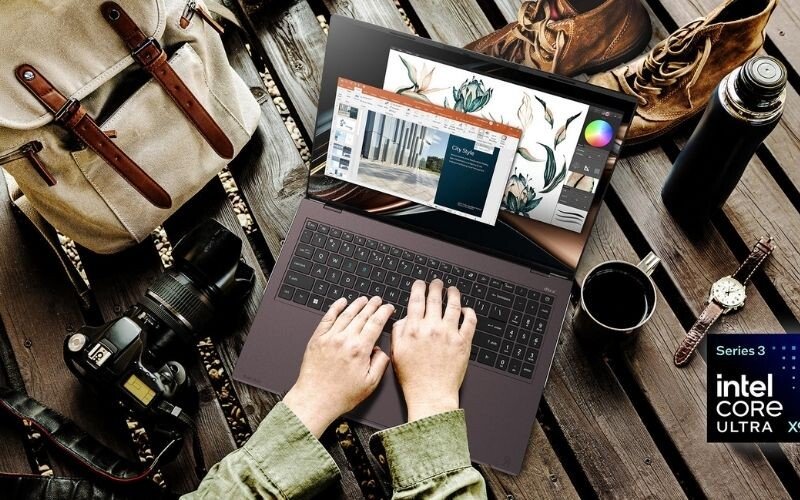
Limits remain. Memory is soldered, while changing the processor requires service-center attention. Choices extend from Intel’s Core Ultra 5 322 through the Core Ultra X9 388H. Graphics come from Arc B390, while a 71 Wh battery supports the platform. Sales begin next year, initially beyond North America.
Lenovo IdeaPad Vibe
IdeaPad Vibe restores character to affordable laptops with seven colors, interchangeable keycaps, a metal chassis and useful ports. AMD and Snapdragon versions arrive first, followed by Intel.
Together, those choices prove a lower price need not force buyers into another anonymous design. That attention to personality has become rare.
Dell 14S
Dell’s student-focused 14S trades plastic for aluminum and avoids the usual corporate palette with subdued shades such as dusty rose and washed denim. Options include a crisp 2.8K OLED screen and an infrared webcam for facial sign-in. Two USB-C ports and a headphone jack cover the essentials.
The entry configuration supplies 8 GB RAM alongside a 256 GB SSD, then rises to 16 GB and 1 TB. The stronger memory option and OLED panel are the sensible combination; the entry model looks far less convincing.
ASUS ProArt P14 and P16
Creator hardware changed the conversation again. ASUS used NVIDIA’s RTX Spark platform for a 14-inch ProArt with a 3K, 120 Hz OLED panel, an N1X processor and 24 GB of unified memory at its starting point. The 16-inch version adds a UHD+ display and can scale to 128 GB.
Windows on Arm still brings compatibility questions, and premium NVIDIA hardware rarely arrives cheaply. Yet the proposition is clear: creators can run demanding models on their own computer rather than continuously paying for cloud capacity. For the right workflow, that independence has real value.
RTX Spark Mini PCs
Acer’s compact RTX Spark system and the ASUS GR1X move that argument onto the desk. Each combines a Blackwell GPU, Grace CPU and as much as 128 GB of unified memory in a case much smaller than a conventional tower. ASUS cools its version with a copper heatsink and two blowers carrying 109 blades apiece.
That elaborate thermal design hints at the heat produced by petaflop-class FP4 performance outside a data center. The payoff is private, local model execution with no recurring token bill, usage ceiling or requirement to send working data elsewhere.
What I Would Take Home
AeroBlade is my first choice if Lenovo converts it into a shipping product. Swift Blade becomes the alternative when every gram matters, while DualPlay Mini earns admiration simply for attempting a form factor that no committee would normally approve.
IFA’s real achievement was not another routine processor increase. It was a collection of computers that expand, open, cool differently and invite repair—from removable keycaps to replaceable hinges. PCs looked interesting again, and that matters as much as another benchmark.