

Recent Posts










London and Paris make an ideal pairing for a first journey through Europe. One offers royal landmarks, centuries of layered history, lively markets, and grand museums; the other combines monumental architecture with intimate neighborhoods, celebrated art, and café-lined streets.
Ten days will not reveal every corner of either capital, but it is enough time to experience their defining sights without changing hotels every night. This route begins in London, crosses the Channel by train, and ends in Paris, allowing you to fly into one city and home from the other.
The itinerary includes four nights in London and five nights in Paris. It is active, with plenty of walking, but each day groups nearby attractions together. There are also optional substitutions for travelers who prefer slower mornings, fewer museums, or a countryside excursion.
10-Day Route at a Glance
- Day 1: Arrive in London and explore the South Bank
- Day 2: Westminster, Buckingham Palace, Whitehall, and Covent Garden
- Day 3: Tower of London, Tower Bridge, Borough Market, and St. Paul’s
- Day 4: British Museum and Greenwich, or a day trip from London
- Day 5: Eurostar to Paris, Eiffel Tower, and Arc de Triomphe
- Day 6: Île de la Cité, the Latin Quarter, and Musée d’Orsay
- Day 7: Louvre, Palais Royal, and Montmartre
- Day 8: Catacombs, Montparnasse, and Le Marais
- Day 9: Versailles
- Day 10: Depart Paris
Day 1: Arrive in London
Your first day should introduce London without demanding too much concentration. International flights often arrive in the morning, but immigration, luggage collection, airport transfers, and hotel check-in can take several hours.
If your room is not ready, leave your luggage with the hotel and head outside. Daylight and gentle activity usually help with jet lag more than a long afternoon nap.
Walk Along the South Bank
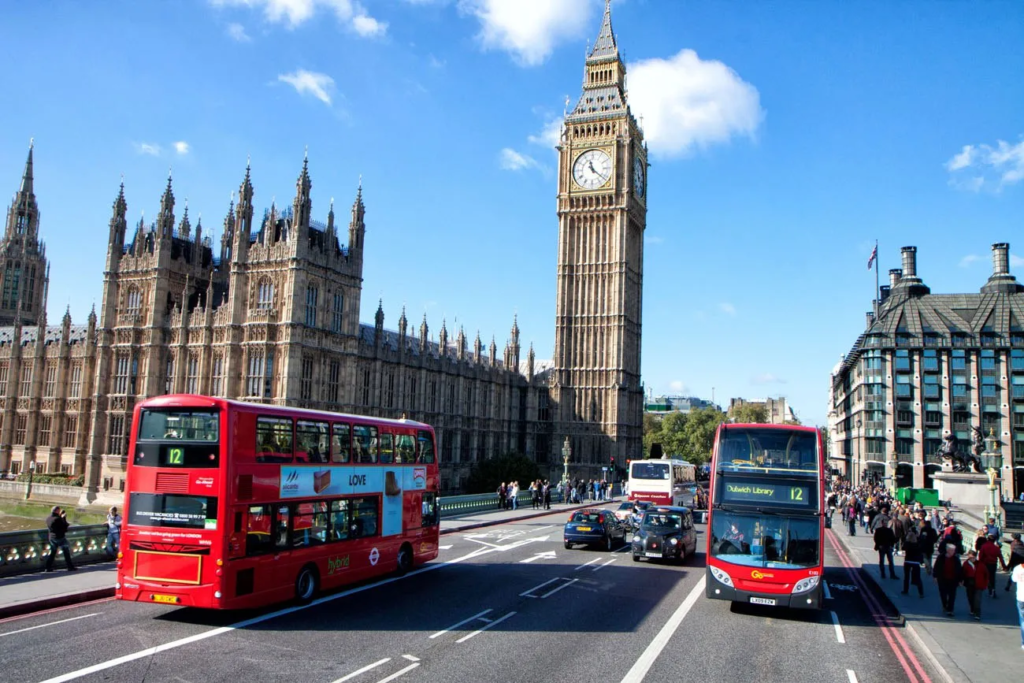
Begin near Westminster Bridge, where several of London’s best-known landmarks appear in one view. From the bridge or riverside path, you can see the Houses of Parliament, the Elizabeth Tower containing Big Ben, and the London Eye.
Continue east along the South Bank. This pedestrian-friendly route passes the Royal Festival Hall, book stalls beneath Waterloo Bridge, the National Theatre, and several terraces overlooking the Thames.
Depending on your energy and arrival time, choose one easy activity:
- Ride the London Eye for a broad introduction to the city.
- Take a short Thames cruise.
- Visit Tate Modern if the weather is poor.
- Continue walking toward Shakespeare’s Globe and Millennium Bridge.
- Stop at a riverside restaurant and watch the city lights appear.
The London Eye is highly popular, so a reserved time can prevent a long wait. If your flight is delayed, however, a flexible river walk is safer than an expensive fixed booking.
Finish with an early dinner. Staying awake until a normal local bedtime will make the next morning much easier.
From the second morning onward, the itinerary becomes more structured. Reserve major attractions in advance, start early, and wear shoes suitable for long walks over stone floors and uneven streets.
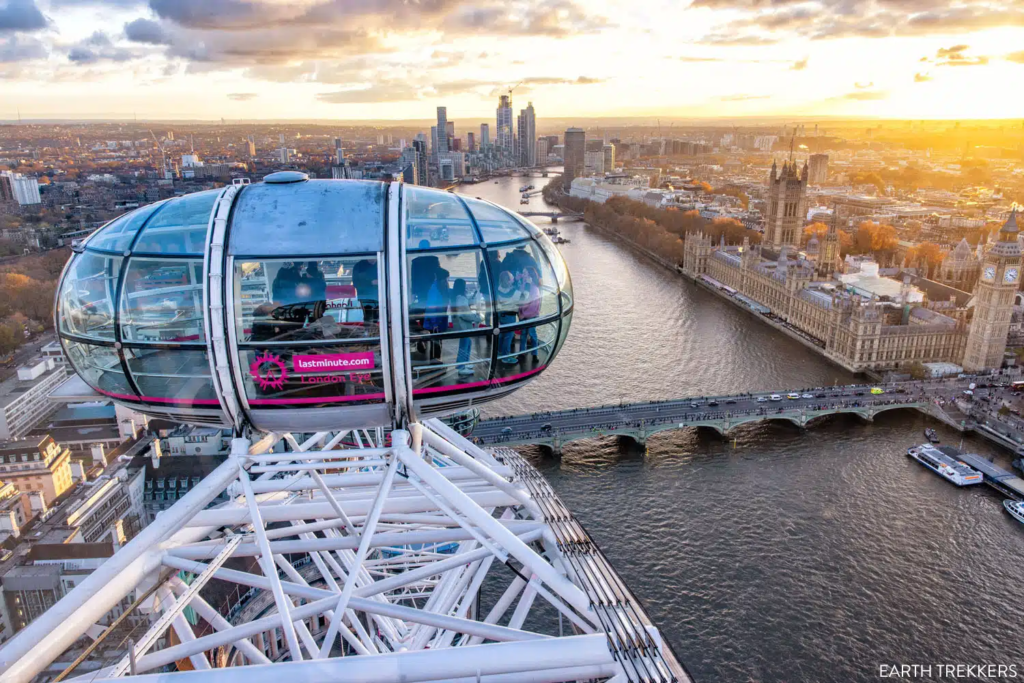
View from the London Eye | London Paris Itinerary
Day 2: Westminster and the West End
Today follows London’s ceremonial and political center before ending among the theaters, restaurants, and shops of the West End.
Westminster Abbey
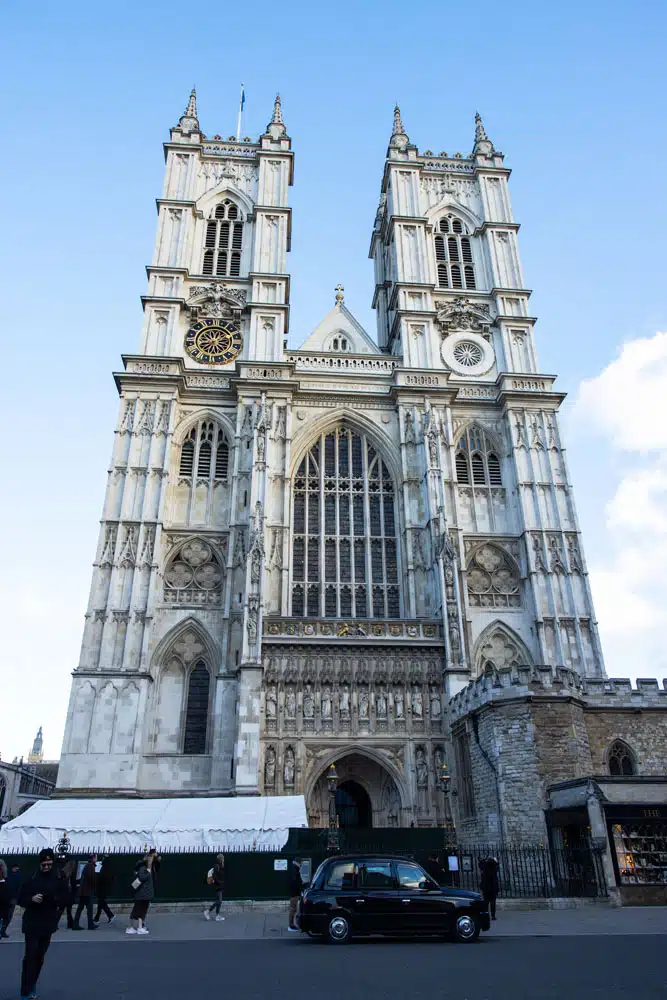
Book one of the first available entries at Westminster Abbey. This working church has hosted coronations since 1066 and contains memorials or burial places connected with monarchs, scientists, writers, and political figures.
Allow around 90 minutes to two hours. Opening hours change for worship, ceremonies, and special events, so consult the official Westminster Abbey website before fixing the rest of the day.
After leaving, cross Parliament Square for views of the Palace of Westminster and Big Ben. If Parliament is sitting or tours are available, you can investigate the interiors, but doing so requires additional time.
St. James’s Park and Buckingham Palace
Walk through St. James’s Park toward Buckingham Palace. The lake, landscaped lawns, and resident birds provide a pleasant break between major landmarks.
At the palace, most travelers view the façade and Victoria Memorial from outside. The State Rooms open only during selected periods, and the Changing of the Guard does not take place every day. Weather, ceremonies, and security requirements can alter the schedule, so never organize the entire morning around an unofficial timetable.
If the ceremony is operating and you want a close view, arrive early. Otherwise, enjoy the palace without waiting in a dense crowd and continue toward lunch.
Churchill War Rooms
Return toward Westminster for the Churchill War Rooms. The underground complex was used by Britain’s wartime government during the Second World War and includes preserved operational rooms alongside a museum devoted to Winston Churchill.
Allow approximately two hours. This is one of London’s more immersive historical attractions, but travelers with little interest in wartime history can replace it with the National Gallery or a longer walk through the royal parks.
Whitehall to Covent Garden
From the museum, follow Whitehall north. Along the way, you will pass the guarded entrance to Downing Street and Horse Guards.
Continue to Trafalgar Square, where the National Gallery faces Nelson’s Column. Entry to the main collection is free, so even a brief visit can be worthwhile. Select a few rooms rather than attempting to see everything.
End the day in Covent Garden. Explore the covered market, Seven Dials, and the colorful courtyard of Neal’s Yard. Stay for dinner or reserve a performance in the West End.
Day 3: The Tower and the Thames
This day traces the eastern section of central London before following the river west toward St. Paul’s Cathedral.
Tower of London
Arrive near opening time at the Tower of London. The complex has served as a fortress, palace, prison, treasury, armory, and site of royal executions.
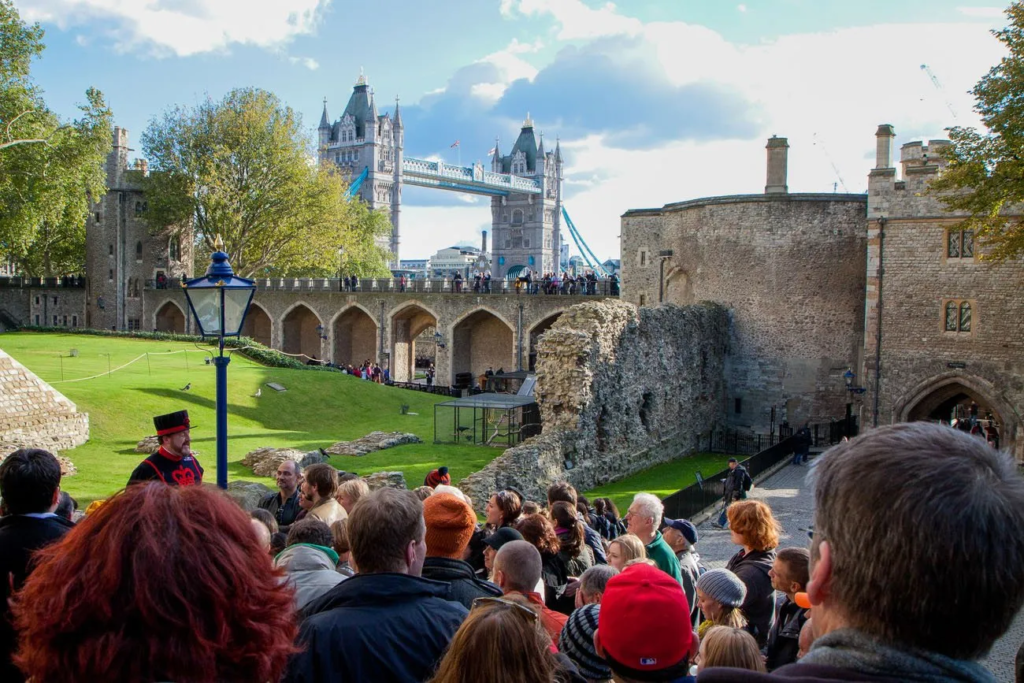
Visit the Crown Jewels early, before the busiest part of the day. Then join a Yeoman Warder tour if one is available. These tours provide an accessible introduction to the Tower’s history and are normally included with admission.
The Tower’s official guidance recommends allowing at least three hours. Online reservations are particularly useful during school holidays and other busy periods. Check current availability through Historic Royal Palaces.
Tower Bridge
After leaving the fortress, walk across Tower Bridge. The exterior crossing is free and provides excellent views of the Tower, the Thames, and the modern skyline.
For a longer visit, purchase admission to the upper walkways and engine rooms. The glass-floor sections look down toward traffic and pedestrians crossing far below.
Do not confuse Tower Bridge with London Bridge, which sits farther west and has a much simpler appearance.
Borough Market
Cross to the south side of the river and follow the Thames toward Borough Market. The surrounding streets contain bakeries, pubs, restaurants, and food stalls offering cuisines from around the world.
The market can be extremely busy at lunchtime. If crowds are heavy, buy something simple and eat beside the river, or choose one of the restaurants in the surrounding streets. Check the market’s current trading schedule because not every stall opens every day.
Shakespeare’s Globe and Tate Modern
Continue west past Southwark Cathedral and the replica of the Golden Hinde. You will soon reach Shakespeare’s Globe. Depending on your interests, take a theater tour, return for an evening performance, or simply view the reconstructed playhouse from outside.
Tate Modern stands nearby in a former power station. Admission to the permanent collection is generally free, although special exhibitions require tickets. A focused visit of about an hour is enough for travelers who are not passionate about modern art.
Millennium Bridge and St. Paul’s
Cross Millennium Bridge toward St. Paul’s Cathedral. The view of the cathedral dome becomes increasingly dramatic as you approach the north bank.
Inside St. Paul’s, explore the nave and crypt. If the dome galleries are open and you are comfortable with stairs, climb for a higher perspective over the city. Opening arrangements can change for services and events, so verify them on the cathedral’s official website.
For sunset, reserve the Sky Garden or choose another observation point. Sky Garden admission is free, but timed spaces are limited. If no reservations remain, walk through the City of London and have dinner near Bank, Monument, or Spitalfields instead.
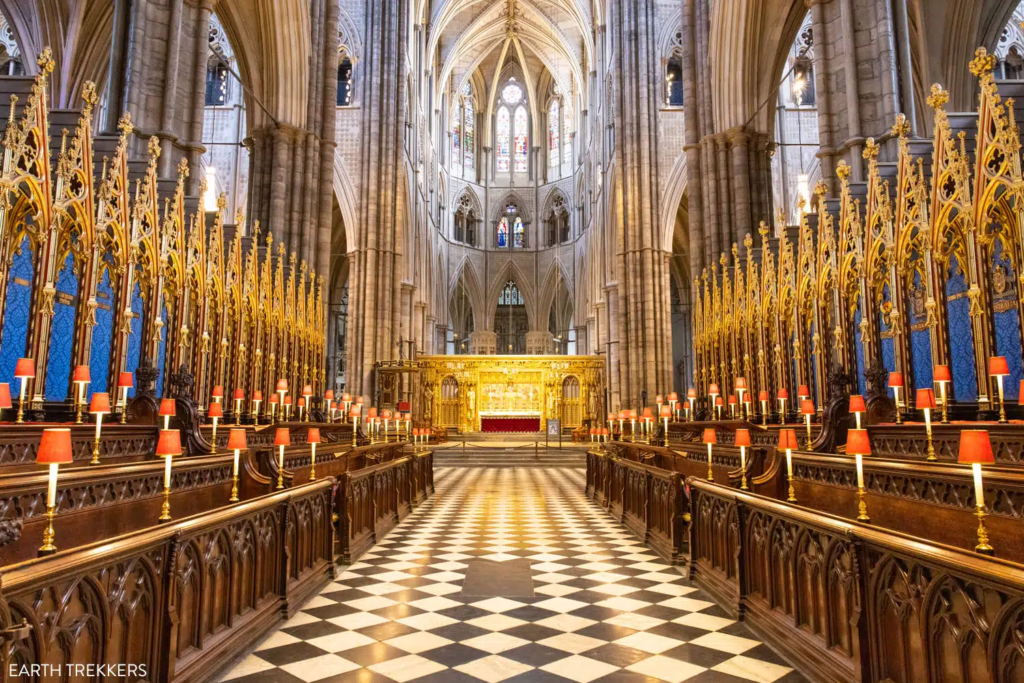
Westminster Abbey
Day 4: Choose Your London Experience
Today can remain in London or become a countryside excursion. Trying to combine every museum, royal residence, and historic town produces a rushed day, so choose the version that best matches your interests.
Option 1: British Museum and Greenwich
Begin at the British Museum. Its enormous collection covers cultures and civilizations from around the world, with well-known objects including the Rosetta Stone, Assyrian reliefs, Egyptian mummies, and sculptures from the Parthenon.
The museum is too large for a complete visit. Select several galleries beforehand and spend two or three hours inside. General admission is free, but reserving a free entry time through the British Museum is sensible during busy seasons.
After lunch, travel to Greenwich. A river boat from central London offers the most scenic approach, passing beneath bridges and alongside former docks before reaching the historic waterfront.
In Greenwich, choose two or three of the following:
- Old Royal Naval College: Known for its elegant riverside architecture and Painted Hall.
- Royal Observatory: Home of the historic Prime Meridian and displays about astronomy and navigation.
- Greenwich Park: A hilltop park with a classic view toward Canary Wharf.
- Cutty Sark: A preserved nineteenth-century tea clipper.
- National Maritime Museum: A broad collection devoted to Britain’s relationship with the sea.
Return to central London by boat, train, or the Docklands Light Railway.
Option 2: Windsor Castle
Windsor is the easiest royal day trip from London. Direct trains make it possible to visit without renting a car or joining a tour.
The castle remains a working royal residence, so closures can occur with limited notice. Inside, the principal attractions normally include the State Apartments and St. George’s Chapel. Allow at least two to three hours inside the complex, plus time to explore Windsor’s streets or walk toward Eton.
This option leaves enough time for a relaxed evening back in London.
Option 3: Stonehenge and Bath
Stonehenge and Bath can be combined on a long guided excursion. Stonehenge introduces one of Britain’s most mysterious prehistoric sites, while Bath offers Roman remains, Georgian streets, Bath Abbey, and the Royal Crescent.
Visiting both independently in one day requires careful transport planning. A tour is easier, while renting a car provides more freedom but involves left-side driving, city traffic, and a lengthy return to London.
Reserve Stonehenge admission in advance through English Heritage, especially during summer and holiday periods.
Some tours add Windsor Castle to Stonehenge and Bath. This lets you see all three places, but much of the day is spent on a bus and each stop is brief. Choose this only if collecting major landmarks matters more than exploring them slowly.
The fifth morning marks the trip’s biggest transition. London’s red buses, royal parks, and broad river views give way to Parisian boulevards, café terraces, and the skyline of the Eiffel Tower.
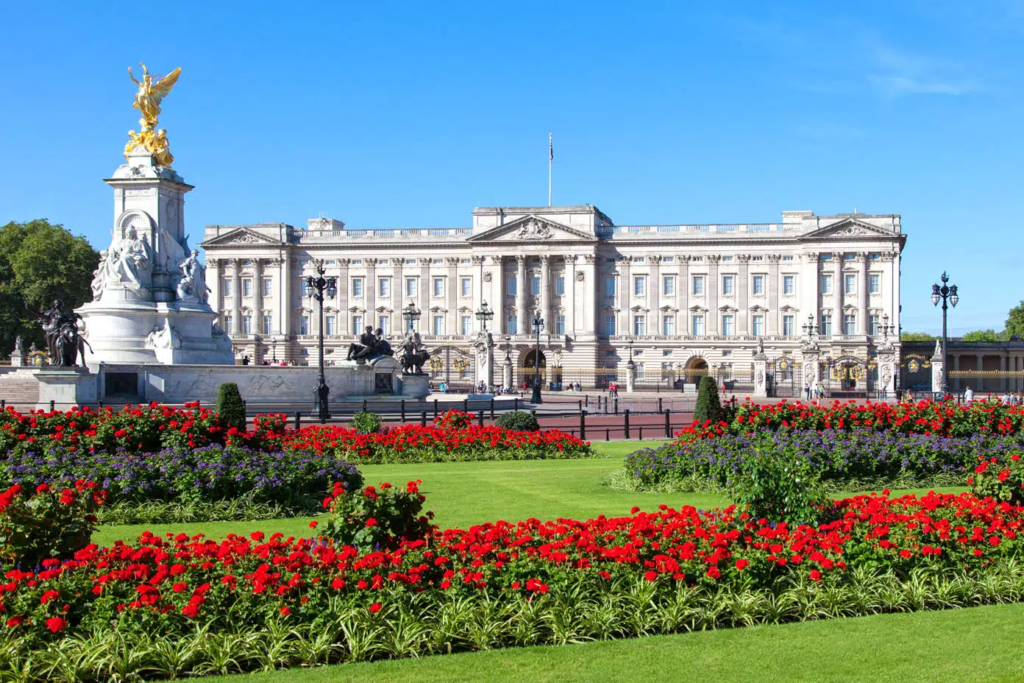
Buckingham Palace | Ewelina W/shutterstock.com
Day 5: Travel to Paris
Eurostar trains depart from London St Pancras International and arrive at Paris Gare du Nord. The fastest scheduled journeys take about 2 hours and 16 minutes, but remember that Paris is one hour ahead of London.
Passport and security checks take place before departure. Eurostar currently advises Standard and Plus passengers leaving London to arrive about 75 minutes before departure, although the time printed on your ticket should take priority. Check the latest guidance on the official Eurostar website.
A morning train works best. After reaching Paris, travel to your hotel, leave your luggage, and have a light lunch nearby.
Eiffel Tower
Reserve the Eiffel Tower for the middle or latter part of the afternoon. Decide in advance whether you want the second level or summit and whether you prefer stairs or lifts.
A summit ticket offers the highest view but also requires more time and depends on weather and operational conditions. The second level provides an excellent view of central Paris and may be sufficient for many travelers.
Buy tickets only from the official Eiffel Tower website or a clearly identified authorized provider. Even timed tickets do not remove all security lines.
Afterward, walk across the Seine to Trocadéro for the classic tower view, or relax on the Champ de Mars.
Arc de Triomphe
Take the Métro toward the Arc de Triomphe. Use the underground passage to reach the monument rather than attempting to cross the traffic circle.
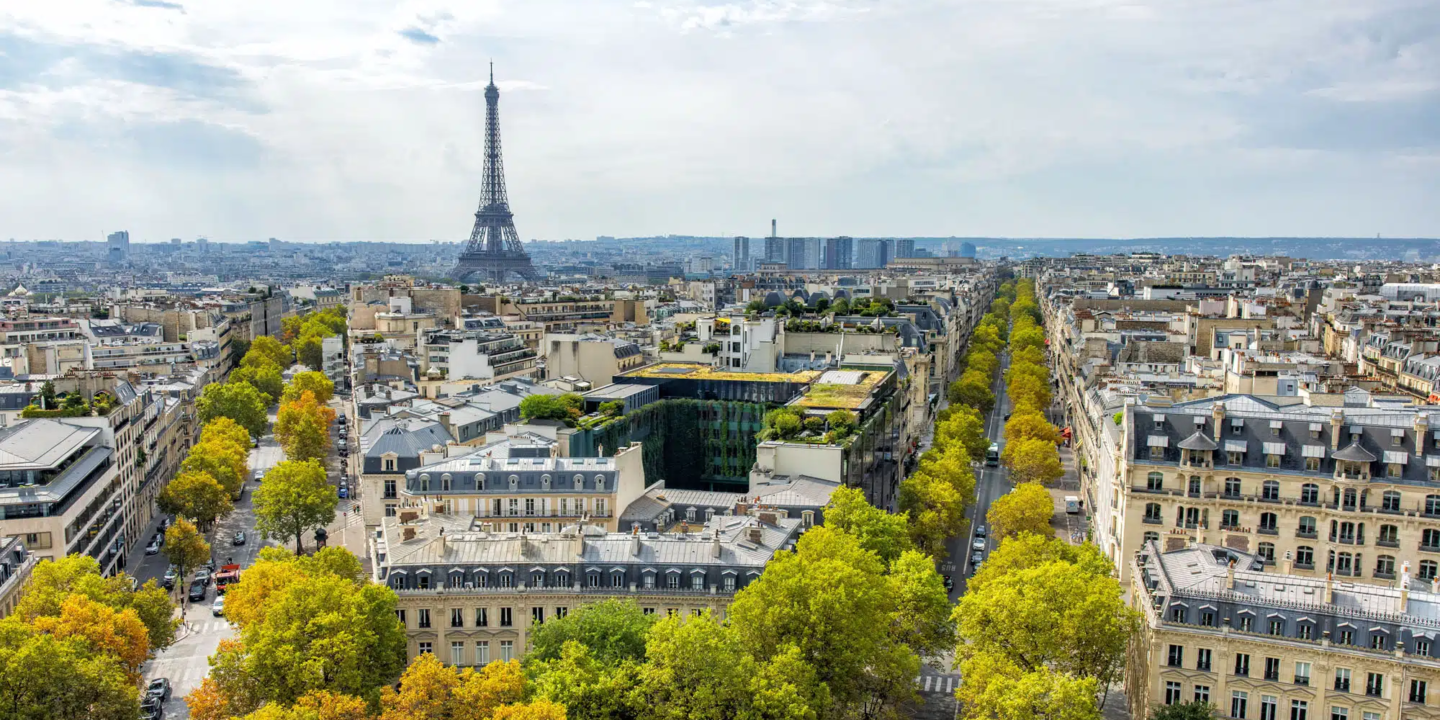
The rooftop terrace offers one of the clearest views of Paris’s radial street plan. From above, the Champs-Élysées stretches toward Place de la Concorde, while the Eiffel Tower rises beyond the surrounding rooftops.
Stay for sunset if timing and weather cooperate. Then walk part of the Champs-Élysées or take the Métro to a quieter neighborhood for dinner.
Day 6: Historic Paris and the Left Bank
Today begins on Île de la Cité, where Paris developed around the Seine, before continuing through the Latin Quarter and ending with Impressionist art.
Sainte-Chapelle
Reserve an early entry to Sainte-Chapelle. The upper chapel is surrounded by tall stained-glass windows illustrating biblical scenes in rich color.
Sunny conditions make the glass especially vivid, but the interior remains impressive in cloudy weather. Security screening can create a queue even with a timed reservation because the chapel lies within a working judicial complex.
Conciergerie
The neighboring Conciergerie is optional. Its medieval halls and later prison history make it worthwhile for travelers interested in the French Revolution. A combined ticket with Sainte-Chapelle may be available.
If museums tire you quickly, skip the Conciergerie and use the extra time for the cathedral and riverbanks.
Notre-Dame Cathedral
Walk to Notre-Dame, which reopened to visitors following its extensive restoration. Cathedral entry is free. An official reservation may reduce waiting, although spaces and procedures can change. Use only the official Notre-Dame website for current visitor information.
Remember that Notre-Dame is an active place of worship. Dress and behave appropriately, and expect access to change during services or religious events.
The Latin Quarter
Cross to the Left Bank for lunch. Wander around the Latin Quarter, where narrow streets surround the Sorbonne, the Panthéon, bookshops, small cinemas, and cafés.
Possible additions include the Luxembourg Gardens, the medieval Musée de Cluny, or Shakespeare and Company. Avoid trying to fit them all into one afternoon.
Walk Beside the Seine
Follow the river west. The route passes booksellers, bridges, and broad views toward the Louvre and Tuileries Garden.
Stop for coffee or a pastry instead of treating the walk merely as transportation. Paris is more enjoyable when some time remains unplanned.
Musée d’Orsay
Spend the latter part of the afternoon at Musée d’Orsay. Housed in a former railway station, the museum is especially known for its nineteenth-century and Impressionist collections.
Look for works by Monet, Manet, Degas, Renoir, Cézanne, and Van Gogh, but leave time to appreciate the building itself and the view through its enormous clock.
Have dinner in Saint-Germain-des-Prés, or finish the evening with a Seine cruise.
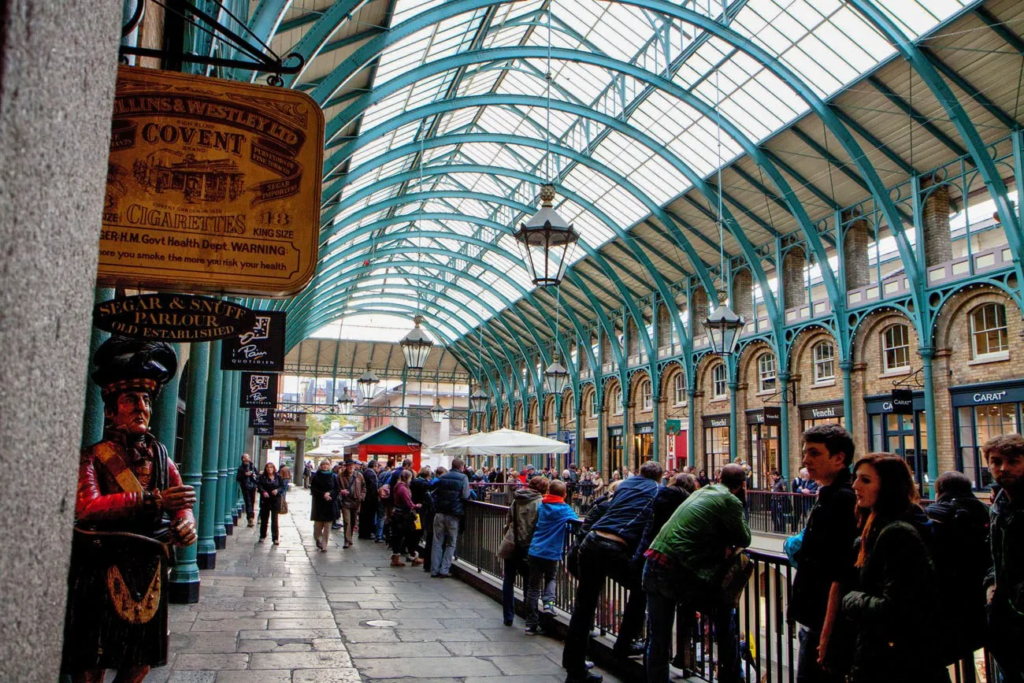
Covent Garden
Day 7: The Louvre and Montmartre
This day combines Paris’s most famous museum with one of its most distinctive hilltop neighborhoods.
The Louvre
Reserve the first available entrance. The Louvre is closed on Tuesdays, so rearrange the Paris days if Day 7 falls on a Tuesday.
Time-slot bookings are officially recommended, including for visitors who qualify for free admission. Buy from the Louvre’s official ticketing system and avoid websites making unrealistic “no queue” promises.
Before arriving, choose a realistic route. First-time visitors often prioritize:
- The Winged Victory of Samothrace
- The Mona Lisa
- The Venus de Milo
- The Apollo Gallery
- French crown objects
- Selected Egyptian or Near Eastern galleries
- The medieval foundations beneath the palace
Two or three focused hours are usually more rewarding than wandering without a plan until exhaustion sets in.
Palais Royal and the Tuileries
After leaving the Louvre, walk through the arcades and gardens of Palais Royal. Continue to the Tuileries Garden or explore the elegant covered passages north of the museum.
Have lunch near Rue Montorgueil, the Opéra district, or the quieter streets behind Palais Royal.
Montmartre
Travel by Métro to northern Montmartre and approach Sacré-Cœur through the neighborhood rather than beginning at the busiest staircase.
A route from Lamarck–Caulaincourt can pass quiet residential streets, La Maison Rose, vineyards, and small squares before reaching Place du Tertre. The central square is touristy, but its painters and cafés preserve part of Montmartre’s artistic identity.
Visit Sacré-Cœur and enjoy the view from the terrace. The dome climb provides an even higher panorama if it is open and you still have energy.
Remain for sunset and dinner. For a late-night option, reserve a cabaret performance near Pigalle, or simply explore the illuminated streets before returning to your hotel.
Day 8: Beneath and Above Paris
Beneath the elegant boulevards lies another Paris—one shaped by quarries, cemeteries, hidden passages, and layers of urban history. Today contrasts that underground world with a high city view before ending in Le Marais.
The Paris Catacombs
The Catacombs contain the remains of millions of people transferred from overcrowded Parisian cemeteries beginning in the late eighteenth century.
The public route involves stairs, narrow passages, low ceilings, and cool underground conditions. It may not suit visitors with limited mobility, claustrophobia, or sensitivity to human remains.
Capacity is restricted and tickets can sell quickly. Purchase only through the official Catacombs website when reservations for your date become available.
If Catacombs tickets are unavailable, substitute the Panthéon, Musée de l’Orangerie, Rodin Museum, or Père Lachaise Cemetery.
Montparnasse
After returning above ground, have lunch in Montparnasse, an area historically associated with artists and writers. The surrounding streets are known for crêperies, cafés, and traditional brasseries.
For a high view, visit the Montparnasse Tower observation deck if it is operating during your trip. Its appearance divides opinion, but that creates one advantage: from the top, the tower itself is not part of the skyline, while the Eiffel Tower remains clearly visible.
Le Marais
Spend the late afternoon and evening in Le Marais. Begin around Place des Vosges, one of Paris’s most harmonious historic squares, then explore smaller streets lined with galleries, boutiques, mansions, and cafés.
The neighborhood also contains important Jewish heritage sites and the Musée Carnavalet, which focuses on the history of Paris.
For dinner, choose a traditional bistro, a modern restaurant, or one of the falafel shops around Rue des Rosiers. Make reservations for popular restaurants rather than assuming a table will be available.
Day 9: Versailles
After several days in dense city neighborhoods, Versailles offers an entirely different scale. The palace, formal gardens, fountains, canals, and smaller royal estates can easily occupy a full day.
Getting to Versailles
Public transport is usually the simplest option, but engineering work and service changes can affect routes. Check a live journey planner before departure rather than relying on an old screenshot or printed schedule.
Aim for an early palace entry. All visitors, including many people who qualify for free admission, must reserve a time slot for the palace. Online tickets provide the greatest certainty. Current options are listed on the official Versailles website.
The palace is normally closed on Mondays, so swap Day 9 with another Paris day if necessary.
Inside the Palace
Follow the State Apartments toward the Hall of Mirrors. The rooms are elaborate and frequently crowded, particularly around the most famous spaces.
An audio guide or the official mobile app helps explain the political theater behind the decoration. Louis XIV used architecture, ceremony, and strict court etiquette to concentrate power around the monarchy.
Allow roughly two hours for the palace itself, longer if you prefer detailed historical visits.
Gardens and Trianon
After lunch, explore the gardens. The central axis extends from the palace toward the Grand Canal, with fountains, sculptures, terraces, and smaller enclosed groves along the way.
Distances are greater than they appear. Trains, bicycles, or electric vehicles may be available for visitors who do not want to walk the entire estate.
Continue to the Grand Trianon, Petit Trianon, and Queen’s Hamlet if your ticket includes them. These areas offer a more personal perspective on royal life and are often calmer than the main palace.
Musical Fountain and Musical Garden programs operate on selected dates and may affect admission. Check the calendar when purchasing tickets.
Return to Paris in the late afternoon or early evening. For the final dinner, revisit a favorite neighborhood or choose somewhere along Canal Saint-Martin, Saint-Germain, or Le Marais.
Day 10: Depart Paris
Your final schedule depends on the flight time and departure airport.
For a morning flight, leave generous time for traffic, rail disruptions, check-in, and security. Charles de Gaulle is far outside central Paris, and airport transfers can take longer than expected.
If your flight departs later, keep the morning flexible. Have breakfast at a neighborhood café, walk through a local market, or visit one small attraction close to the hotel. Avoid booking a distant museum immediately before an international flight.
Collect your luggage and continue home—or extend the journey to another French or European destination.
Planning the Trip
On a trip containing this many famous attractions, advance organization matters. The goal is not to schedule every coffee break, but to secure the places where capacity is limited.
What to Reserve First
Prioritize reservations in approximately this order:
- International flights and hotels
- Eurostar between London and Paris
- Eiffel Tower
- Louvre
- Versailles
- Tower of London
- Westminster Abbey
- Sainte-Chapelle
- Paris Catacombs
- Any West End, Moulin Rouge, or special evening performance
Opening days can influence the order of the itinerary. The Louvre is closed on Tuesdays, and the Palace of Versailles is normally closed on Mondays. Churches may restrict tourist entry during worship, while royal sites can close for official events.
Check every official calendar before purchasing nonrefundable tickets.
Where to Stay in London
For a first visit, a central location usually saves more time than a cheaper room far outside the city.
Convenient areas include:
- Westminster or Victoria: Good for royal and political landmarks.
- Covent Garden or Soho: Central, lively, and convenient for restaurants and theater.
- Bloomsbury: Close to the British Museum with useful transport connections.
- South Bank: Excellent for river walks and access to Waterloo.
- King’s Cross or St Pancras: Particularly useful for the Eurostar departure.
Choose a hotel near an Underground station, but check whether the station has lifts if you are traveling with heavy luggage.
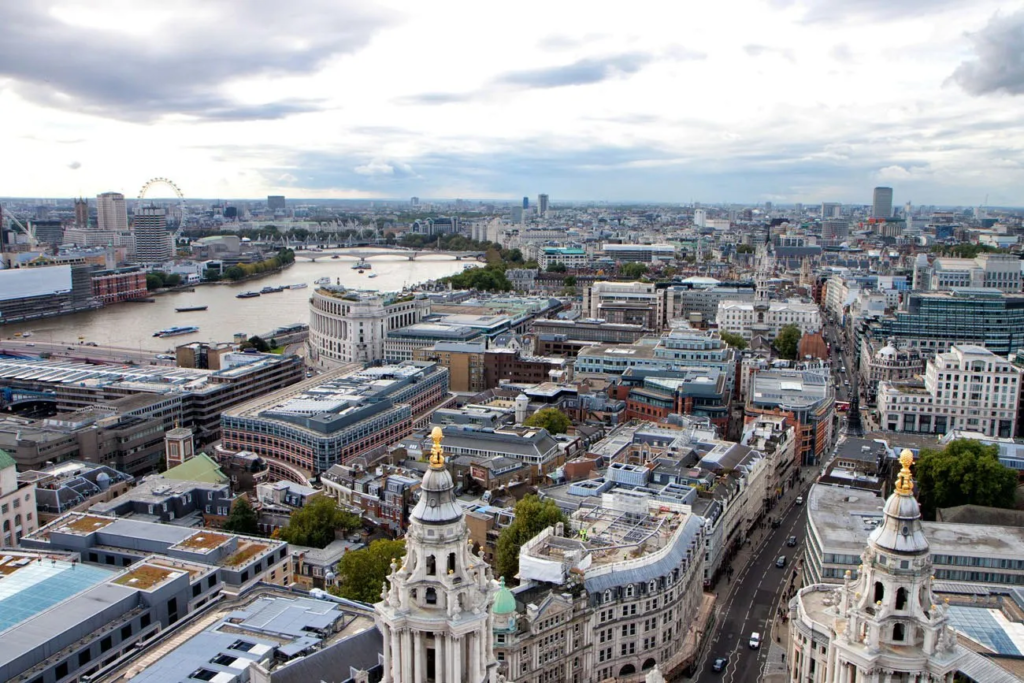
View from St. Paul’s Cathedral
Where to Stay in Paris
Central Paris is divided into numbered arrondissements. Staying in the 1st through 6th arrondissements places many major sights within walking distance, although prices can be high.
Other convenient choices include:
- Le Marais: Historic streets, restaurants, nightlife, and central transport.
- Latin Quarter: Lively atmosphere with easy access to the Seine.
- Saint-Germain-des-Prés: Elegant and convenient, but generally expensive.
- Opéra: Strong transport connections and department-store shopping.
- Montparnasse: Less romantic for some visitors, but practical and well connected.
A hotel near more than one Métro line offers flexibility when maintenance affects a route.
Getting Around
In London, the Underground and buses cover nearly every stop in this itinerary. Contactless payment is usually the simplest option for eligible bank cards and devices. Tap with the same card or device throughout each journey.
In Paris, walking and the Métro will handle most journeys. Ticket products and fare systems change periodically, so consult the official transport website shortly before traveling.
Both cities reward walking, but this itinerary can easily involve 15,000–25,000 steps per day. Build in café stops, use public transport when tired, and avoid turning every evening into another sightseeing session.
Best Time to Go
Late spring and early autumn generally provide the most comfortable balance of weather, daylight, and crowds. April, May, September, and October can all work well, although rain is possible in every season.
Summer brings long evenings but also higher prices and large crowds. Winter is quieter and can be atmospheric, especially around Christmas, but daylight is limited and some gardens or outdoor experiences are less appealing.
Whichever season you choose, bring a light waterproof layer and comfortable walking shoes.
Final Thoughts
A successful London and Paris trip is not measured by how many landmarks you collect. These cities are at their best when major sights are balanced with river walks, neighborhood meals, small discoveries, and occasional changes of plan.
Reserve the experiences that genuinely require advance tickets, but leave enough space for weather, tired feet, and unexpected places that make you want to stay longer.
Ten days will only introduce London and Paris. That is part of their appeal: both cities will give you plenty of reasons to return.