











CREATIVE BUSINESS & BRAND STRATEGY
With Wine Design Exchange, andstudio proposes replacing a conventional agency fee with a week inside a winery, using immersion, reciprocity and a strong story to reach clients a cold pitch may never win.
For many studios, new business follows a familiar sequence: assemble credentials, interpret a partial brief, submit an unpaid proposal and wait. The process consumes creative time before either side knows whether it can work well together.
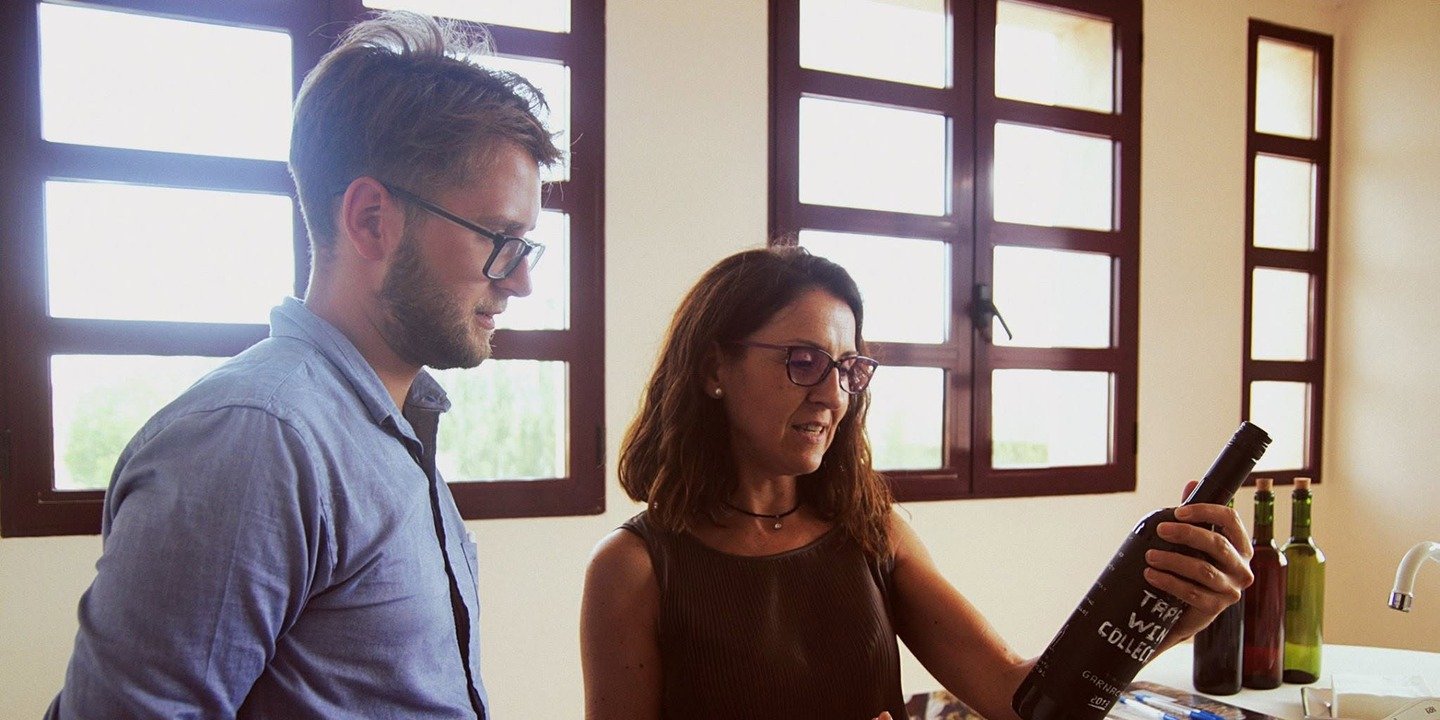
Lithuanian practice andstudio has removed that sequence from one deliberately unusual offer. Under the Wine Design Exchange terms described to Creative Boom, a winery hosts the team rather than paying a standard agency bill, covering travel, accommodation and meals. Proximity to the people, land and routines behind the bottle becomes the working material.
Creative Boom reports that the studio plans to choose one winery each year, live alongside it for a week, and join harvests and tastings. andstudio’s launch material confirms the week-long residency and says its scope runs from strategy and positioning to identity, labels and packaging; Creative Boom describes later implementation as a longer process.
A Different Kind of Pitch
The arrangement initially sounds romantic: trade invoices and email threads for vines, shared tables and a few memorable bottles. Its logic, however, is tied to a real communication problem. andstudio argues that many family wineries face a fragmented market and younger audiences who drink less, while the package must often attract attention before anyone can judge what is inside.
The studio cites its own research suggesting that 85% of shoppers select wine on the strength of the label. No public methodology or independent study supporting that exact figure was located, so it should be read as andstudio’s research claim rather than a universal benchmark. The studio’s broader argument is that an independent producer with a distinctive product can lose visibility when its identity fails to express why the wine, maker or place is different.
Wine Design Exchange answers that weakness while also solving an acquisition problem for the designers. A Lithuanian studio may have little chance of appearing on an Italian producer’s shortlist through conventional outreach. By making the initial proposition unusually easy to accept, andstudio can enter a relationship that geography and procurement might otherwise prevent.
What the Exchange Really Buys
Although no agency fee changes hands under the terms andstudio described to Creative Boom, the work is not without a return. The winery receives an extensive brand programme; andstudio receives sustained access, first-hand research and the chance to create a case study grounded in a lived relationship. Co-founder and creative director Augustinas Paukštė frames the offer as a way to remove the trust barrier between a distant winery and an unfamiliar design team.
Viewed commercially, the studio is converting months of effort into access, reputation and a story that can travel. Those benefits are less certain than cash, but potentially more distinctive than another speculative deck. The public narrative demonstrates how andstudio thinks, while close working conditions can create a relationship deeper than a remote handover.
The exchange is therefore reciprocal rather than charitable. Both parties accept a cost, and both seek an asset they may struggle to buy. For other studios, the important question is not whether to copy the no-fee offer literally, but whether a prospect could provide knowledge, access or credibility valuable enough to justify a different commercial structure.
An Idea Born Around the Table
The concept grew from an earlier studio exchange in Florence. In a 2025 interview, Paukštė said andstudio spent three weeks there alongside Studio Muttnik; speaking to Creative Boom later, he recalled how evenings in wine bars, on terraces and over long meals revealed a familiar kind of devotion. He recognised in wine culture the same intensity with which designers discuss their own discipline.
That connection matters because wine and design both combine craft with interpretation. Makers can know every technical choice intimately and still find it difficult to explain their value to an outsider. andstudio’s view is that wineries may experiment boldly in the vineyard or cellar while communicating conservatively, sometimes assuming that quality alone will carry the product.
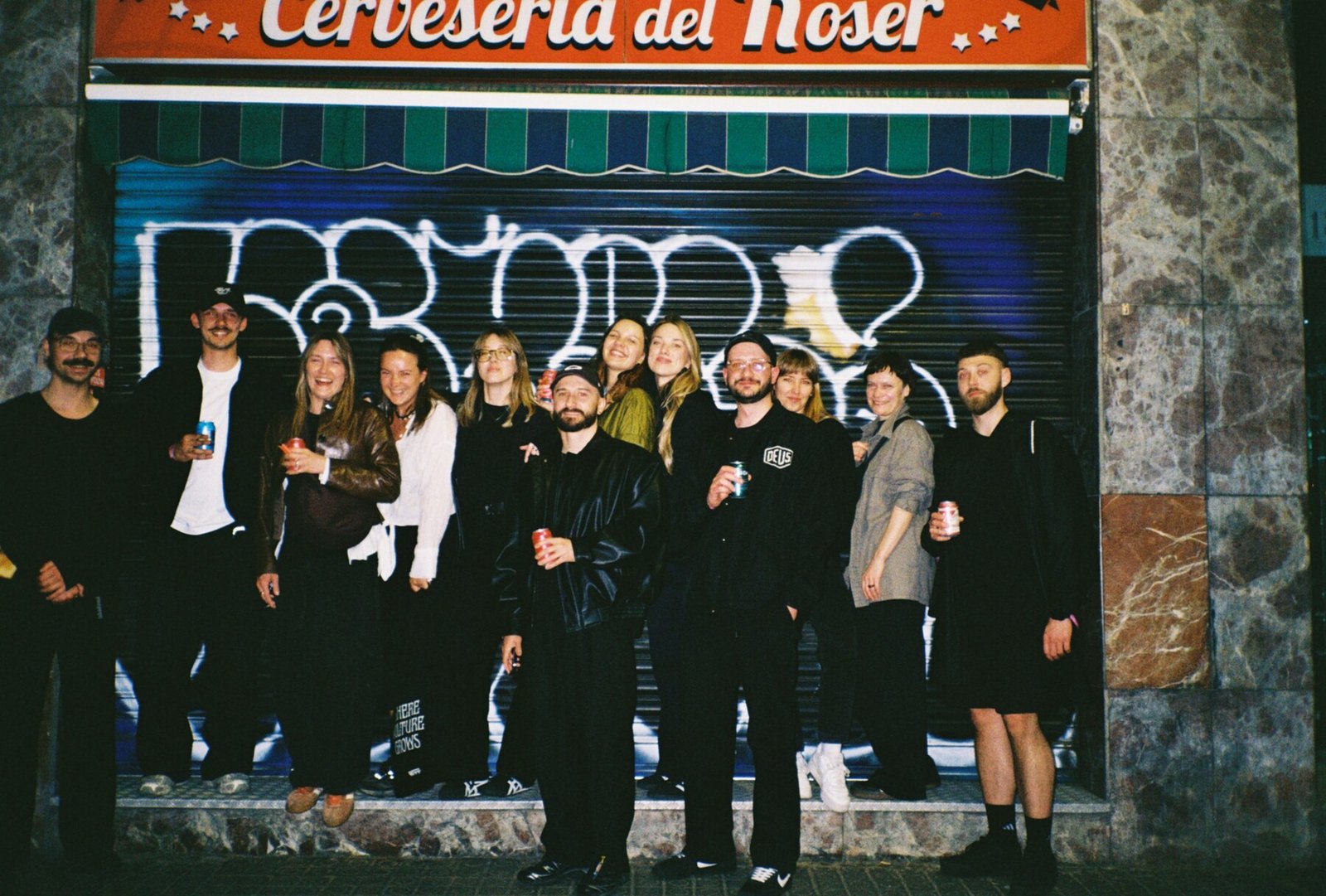
Immersion gives the designers a way past that difficulty. Instead of asking a producer to summarise years of tacit knowledge in a meeting, the team can observe decisions, vocabulary, family dynamics and daily constraints as they occur. The resulting brief is assembled from context, not simply received as a document.
Choosing Collaboration Over Prestige
andstudio says it is not selecting wineries by postcard scenery, production scale or export success. The decisive factors are the story available to uncover, the pressures the business faces, its willingness to change and the readiness of its people to participate. An established identity is not required, and neither is a famous address.
That selection principle protects the exchange from becoming a decorative trip. A beautiful location might produce attractive photographs, but it cannot substitute for candour or collaboration. The model depends on a host willing to let designers see ordinary work, unresolved tensions and the less glamorous parts of production, because those details can reveal the most defensible positioning.
What Other Studios Can Take From It
Two lessons travel beyond wine. The first is that direct participation can uncover things a formal interview misses. A designer who spends time inside a process hears the language people use among themselves, sees where stated values meet behaviour and notices which routines carry real pride. The same principle could apply in a factory, a restaurant, a software team or a community organisation.
The second is to define reciprocity more broadly than a project fee without pretending that time has no value. A studio can exchange effort for unusual access, a strategically important relationship or permission to tell a meaningful story—but only when those returns are explicit and worth the risk.
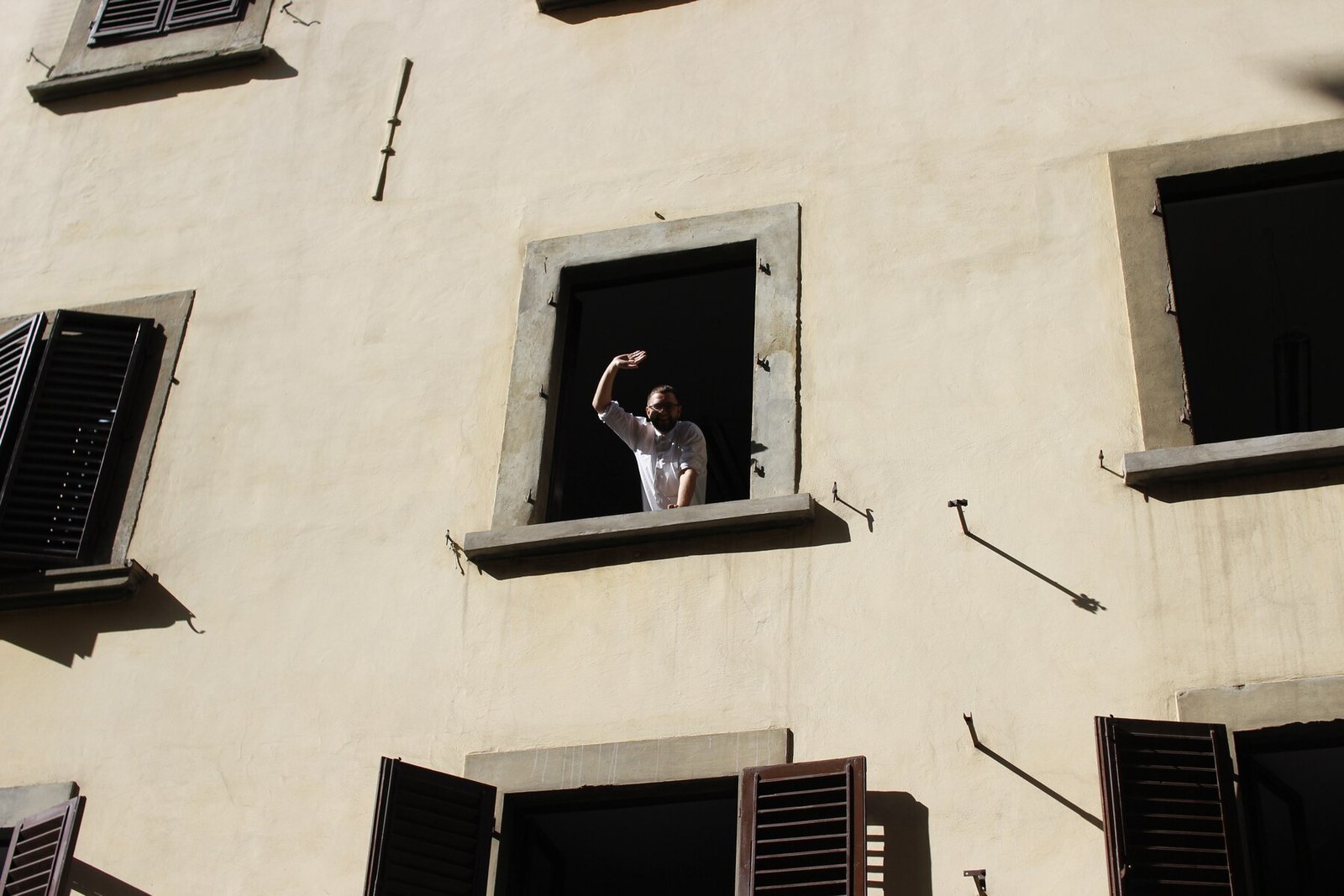
But the romance should not hide the balance-sheet test. According to Creative Boom’s account of the project, the complete assignment can run for four to six months and includes strategy, positioning and a usable implementation roadmap. A practice needs sufficient cash flow and capacity to carry that work without normal fee income. For many teams, the same experiment would be impossible or irresponsible.
That limitation does not weaken the central idea. Paukštė rejects the suggestion that the exchange is merely a promotional holiday, and the scope supports his emphasis on serious work. The most adaptable lesson is simpler: when a valuable client is hard to reach, replace distance with participation, contribute before asking for trust and let the quality of the relationship become part of the pitch.