








Creative Culture · Pictoplasma 2026
Berlin’s character-design gathering can feel unusually quiet at first. Stay curious, join the making and its small scale becomes the reason the experience matters.
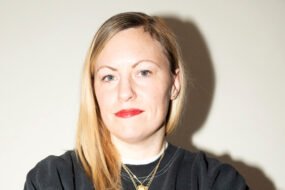
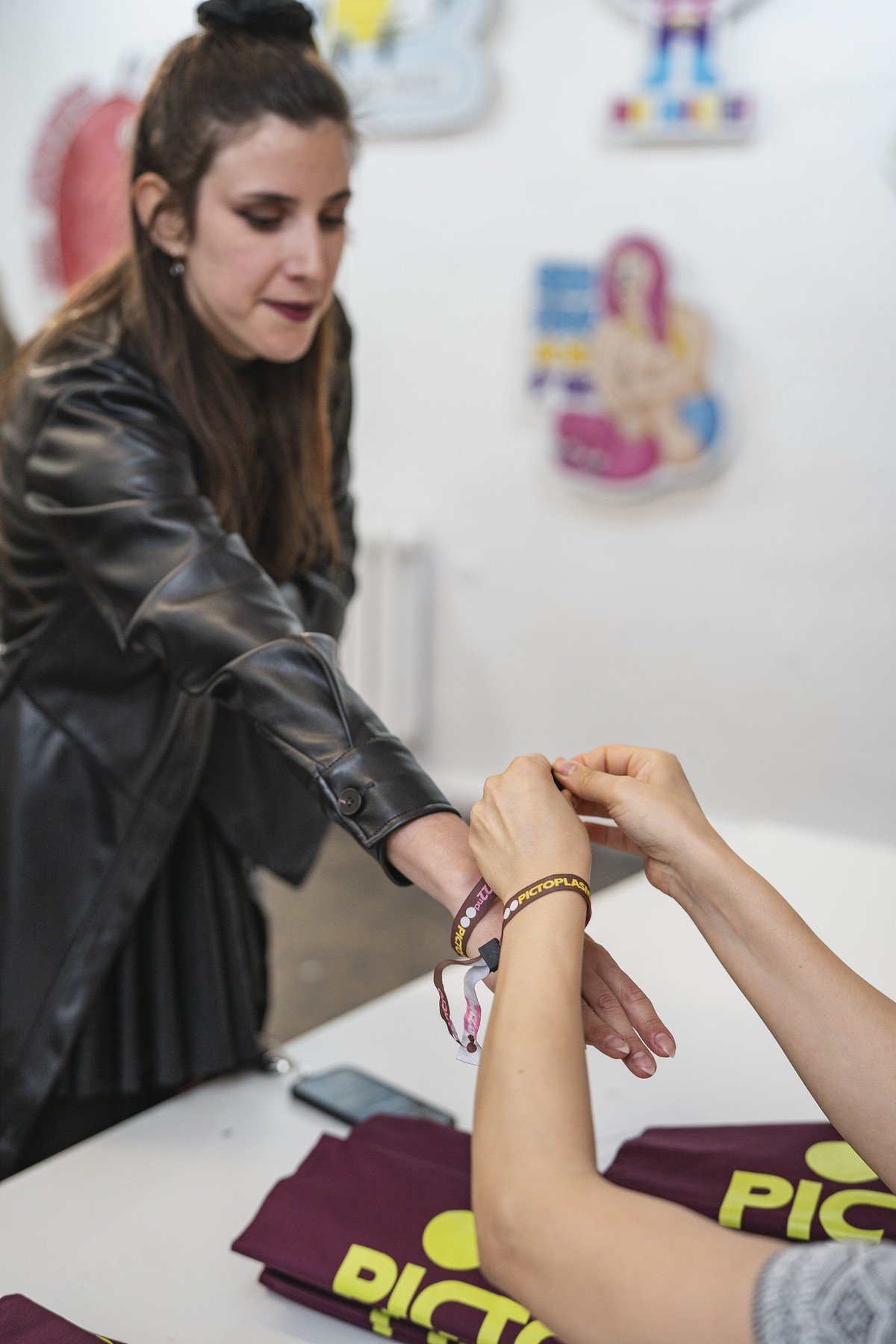
Creative Boom founder Katy Cowan arrived at Pictoplasma 2026 alone, reporting as a journalist rather than joining an established group. The Berlin character-design gathering did not greet her with the instant roar of a giant industry conference. In her account, the first hours felt more like observing a private reunion than entering a networking arena. People were receptive when contact happened, but the setting did not automatically fold a newcomer into somebody else’s circle.
That reserve made Cowan’s opening day difficult. She left earlier than expected, ate dinner back at her hotel and questioned whether the event was simply too inward-looking. Her judgment changed as repeated encounters accumulated. By the final day, familiar faces had become people she wanted to sit beside, talk with and keep in touch with after Berlin. The reversal is useful for any first-time visitor: an unsettled beginning may describe the event’s tempo, not its eventual value.
A Festival That Opens Gradually
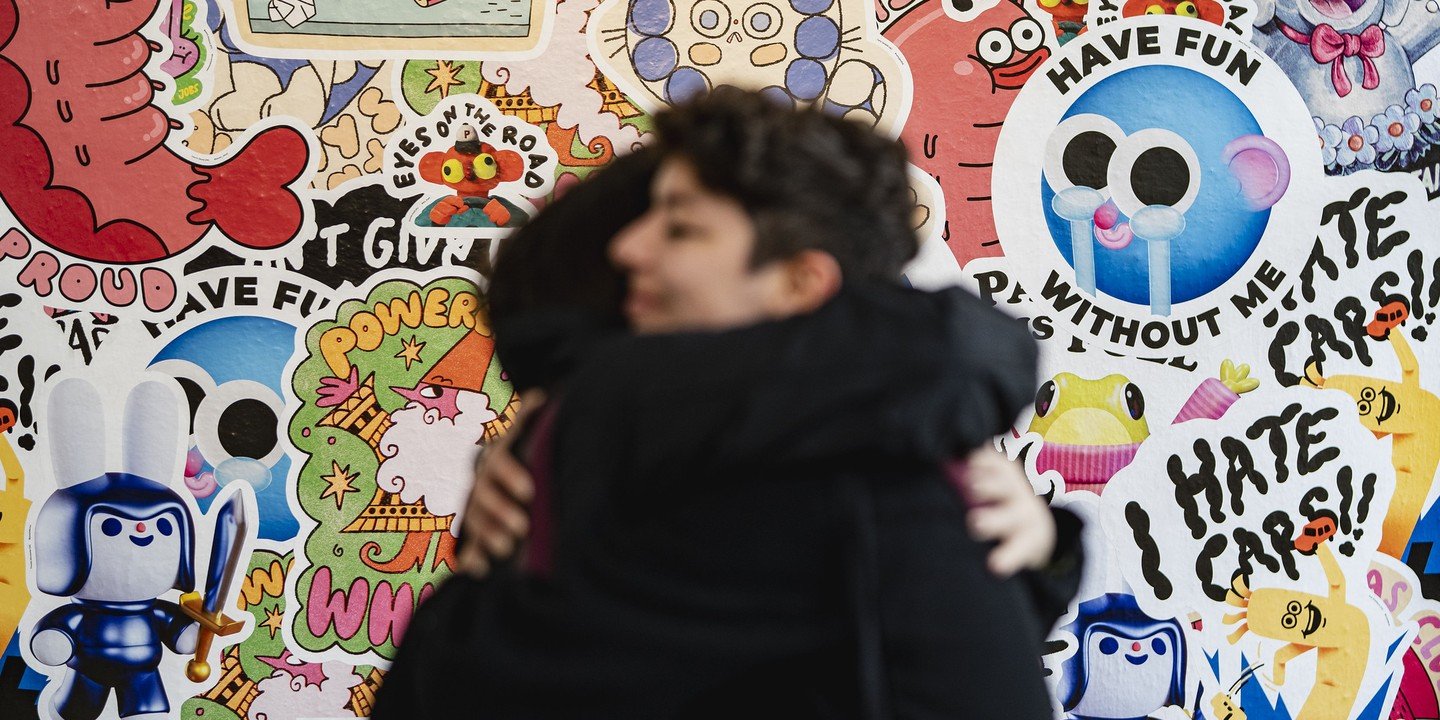
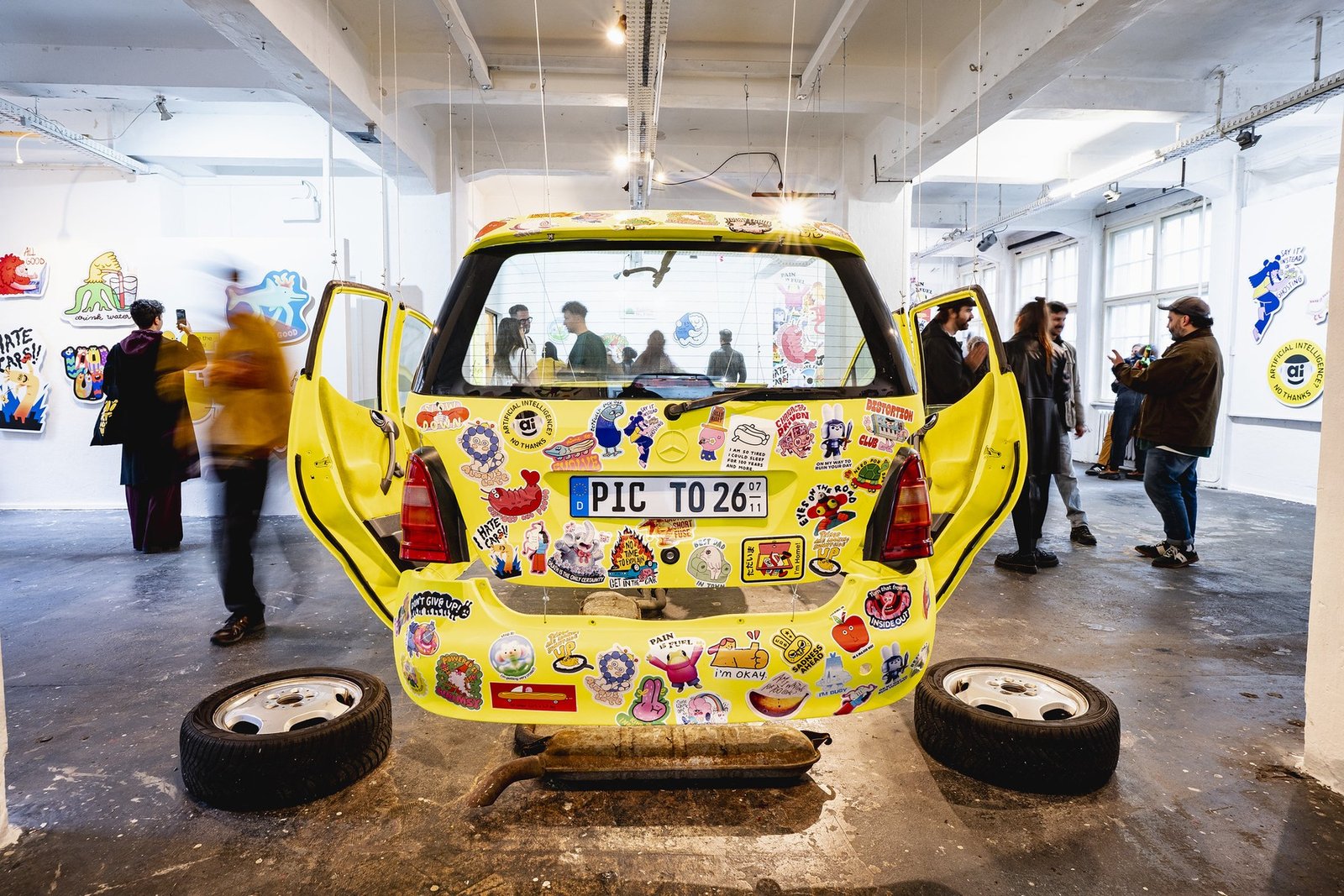
Yet the quieter rhythm is central to Pictoplasma’s identity. At its 22nd Berlin edition, the festival brought character design, illustration, animation, art and narrative craft to silent green in the city’s Wedding district. Its programme combined talks and exhibitions with screenings, workshops, art jams and other opportunities to make alongside fellow attendees.
Cowan found the scale modest beside events such as OFFF or Cannes Lions, and the atmosphere less performative. Energy did not depend on relentless pitching or a constant exchange of business cards. Instead, momentum developed through seeing the same people across several days and discovering shared interests at a pace that felt natural. Talks supplied ideas, while exhibitions and participatory sessions gave those ideas a physical setting and offered quieter attendees more than one way to take part.
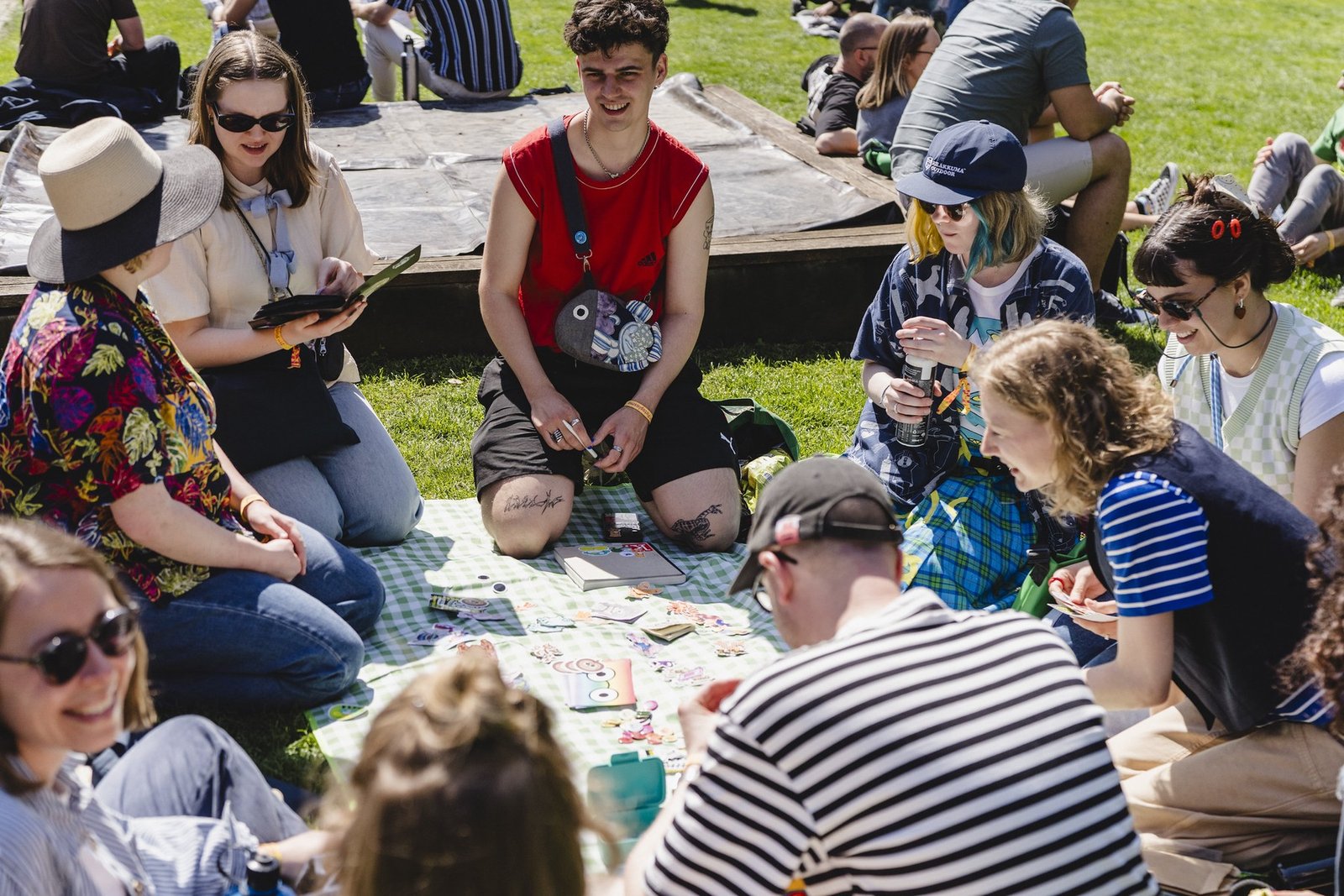
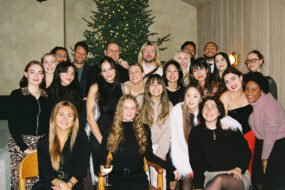
In Cowan’s account, the experience moved from alienating to deeply affectionate during one visit. Pictoplasma asked for patience before it gave much back. Once the social temperature rose, its intimacy stopped feeling exclusive and began to feel generous. The result was friendship rather than a stack of contacts, and a conference memorable precisely because nobody appeared to be racing towards the next useful person.
Where Quiet Makers Feel at Home
Cowan found the festival’s visible centre of gravity among illustrators, animators, character designers and artists whose working lives are often spent alone, absorbed in small visual decisions. That concentration helps explain why the room can be warm without becoming loud. The event brings private studio habits into public view, yet it does not require their owners to adopt a conference persona before they can belong.
Brooklyn-based illustrator Karlotta Freier told Cowan that appearing onstage can feel faintly absurd to someone who grew up preferring a corner to the centre of the room. Nature illustrator Janine Sommer offered Cowan a related explanation: studio practice is usually solitary, so suddenly entering a dense gathering of peers can feel overwhelming even when everyone is welcoming.
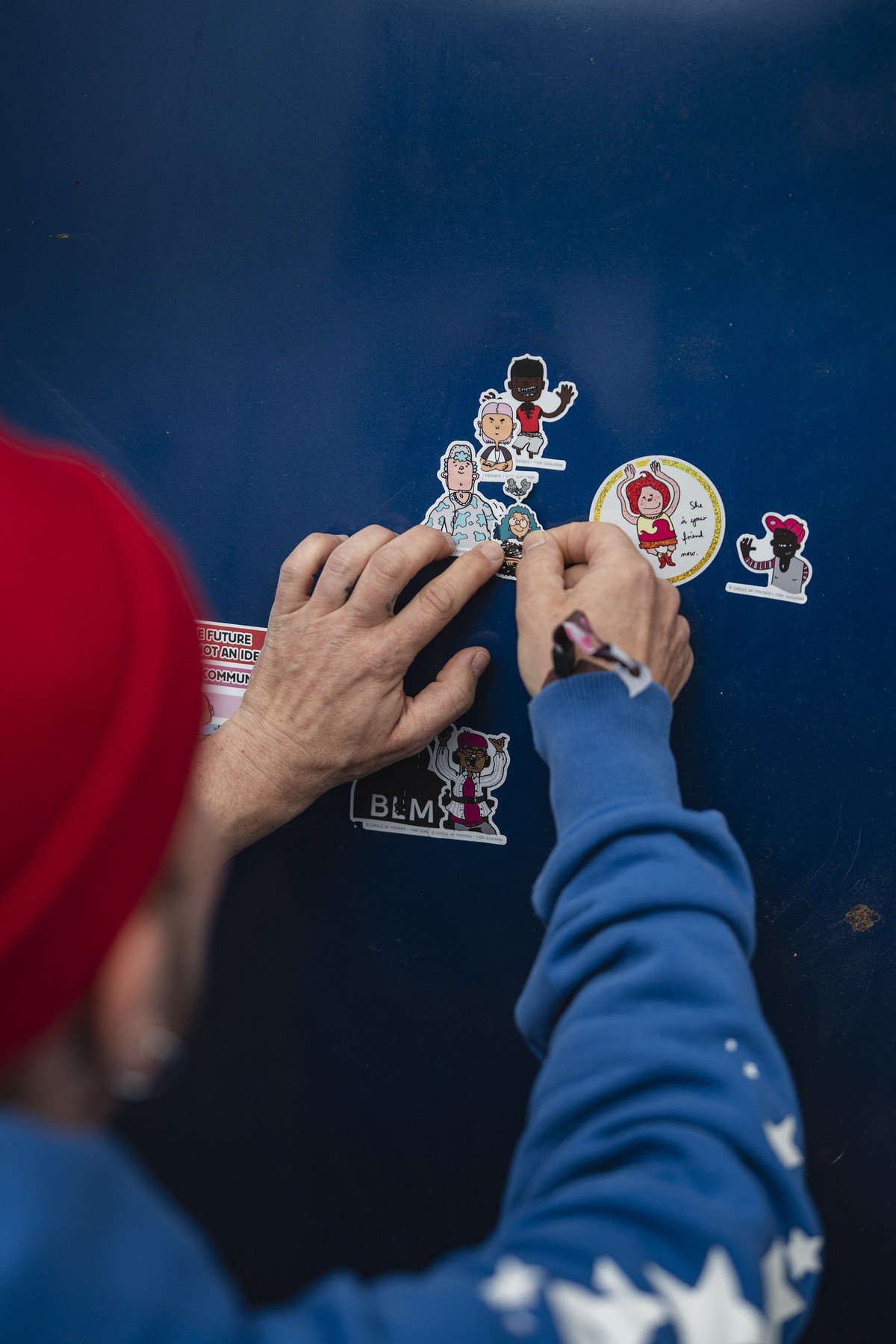
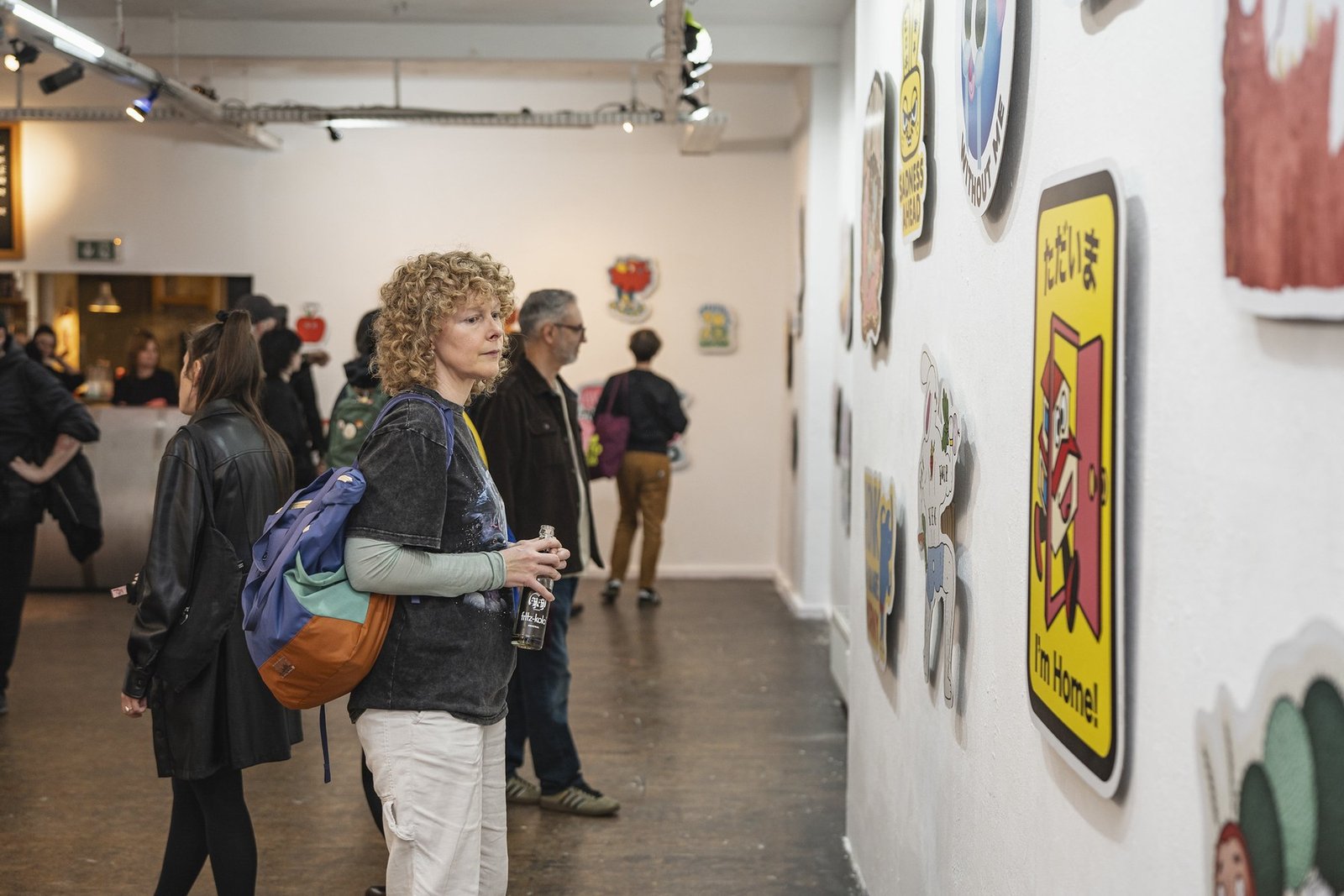
The festival does not treat inward focus as a social flaw. Artist, author and animator Christoph Niemann told Creative Boom how seriously makers can regard minute changes in colour or line weight. After years of investing meaning in those decisions, it is unsurprising that they bring the same concentration to the wider world.
That devotion creates a community that can be approachable without being forceful. Members may take longer to begin a conversation, but the exchange is likely to concern actual making rather than status. Visitors who prefer thoughtful interaction may experience that reserve as relief, while people who rely on instant, high-energy networking may need more time to find their rhythm.
Make Something Before You Network
Because conventional networking can feel unnatural in this setting, shared activity becomes the most useful way in. Illustrator Kyle T Webster told Creative Boom that Pictoplasma is his favourite conference and that its planned activities lead to many introductions without making social contact feel transactional.
Cowan missed the Thursday evening drawing session herself, but reported it as an especially helpful doorway. Participants spend two or three hours making around tables with different craft prompts while music plays and drinks are available. Working beside unfamiliar people gives them a natural reason to recognise one another the following morning. Attention can stay on the object in progress, which removes the pressure to invent a polished introduction and lets conversation arrive as a by-product of the task.
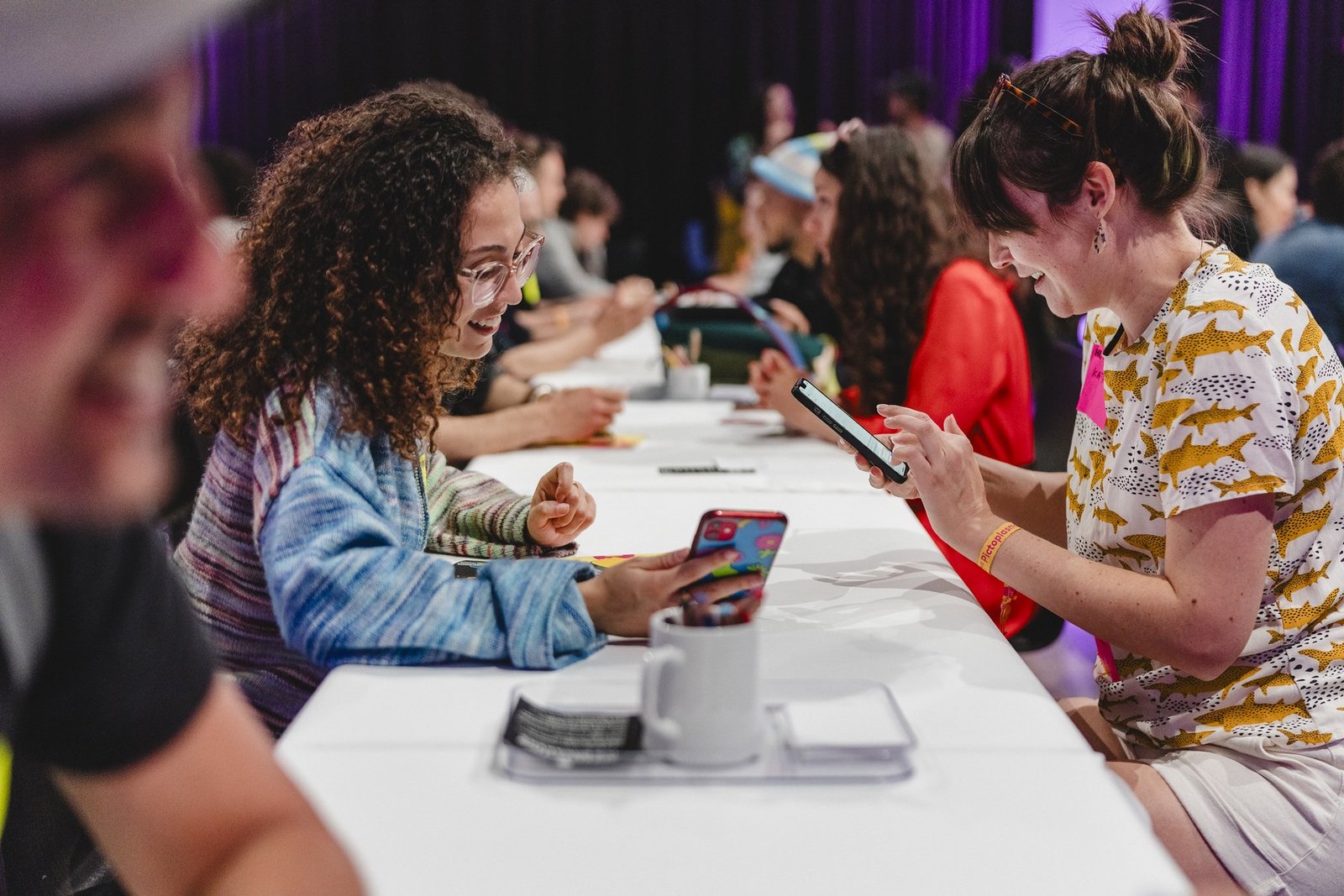
Preparation can begin before the trip. 3D designer and illustrator Melissa Mathieson, who had travelled from Montreal, told Cowan that artists often build relationships online first. Recognising somebody whose work you follow can open one conversation; that person introduces another, and a small group forms almost by itself. Following participating artists and the wider Pictoplasma community in advance creates several natural reasons to say hello.
Plan Lightly and Leave Room
A timetable still helps, provided it remains flexible. Filmmaker, animator, author and lecturer Helen Piercy told Cowan that this was her fourth visit. Her advice was to identify the sessions that genuinely cannot be missed, then let the rest of the day develop informally. Everything cannot fit, and even a brief afternoon rest may protect enough energy to enjoy the evening. Leaving space also makes room for the unplanned exchange that turns a programme of sessions into a personal experience.
More important than perfect scheduling is allowing the event time to work. Its social barrier can dissolve gradually, particularly for visitors accustomed to larger conferences where enthusiasm is immediate and highly visible. Staying through that tentative phase can reveal people united by serious affection for their craft, gathered in a Berlin setting well suited to character-led imagination.
Who Will Love Pictoplasma?
For emerging creatives, Piercy told Cowan there was no need to wait until a portfolio felt established. Meeting other makers can restore motivation and feed new ideas. The same benefit can apply later in a career, when solitary routines and commercial pressure make creative work feel narrower than it once did.
Pictoplasma will not suit every visitor in the same way. People seeking nonstop spectacle or rapid-fire networking may prefer a larger, more outward-facing format. But illustrators, animators and character makers who value careful work, gentle company and conversations that grow through doing may find its restraint appealing. Arriving early, joining communal activities and resisting a verdict after one quiet day can make a substantial difference.
The festival’s most persuasive lesson is that belonging does not always announce itself. Sometimes it begins with recognising a drawing, sharing a table or meeting the same person twice. Pictoplasma may ask more patience of a solo visitor than a major conference, but that extra time can turn a room of reserved strangers into a genuine creative community.