










CREATIVE CAREERS
The executive creative director of Thirst built a drinks-design career through detours, self-directed practice and a willingness to send imperfect emails.
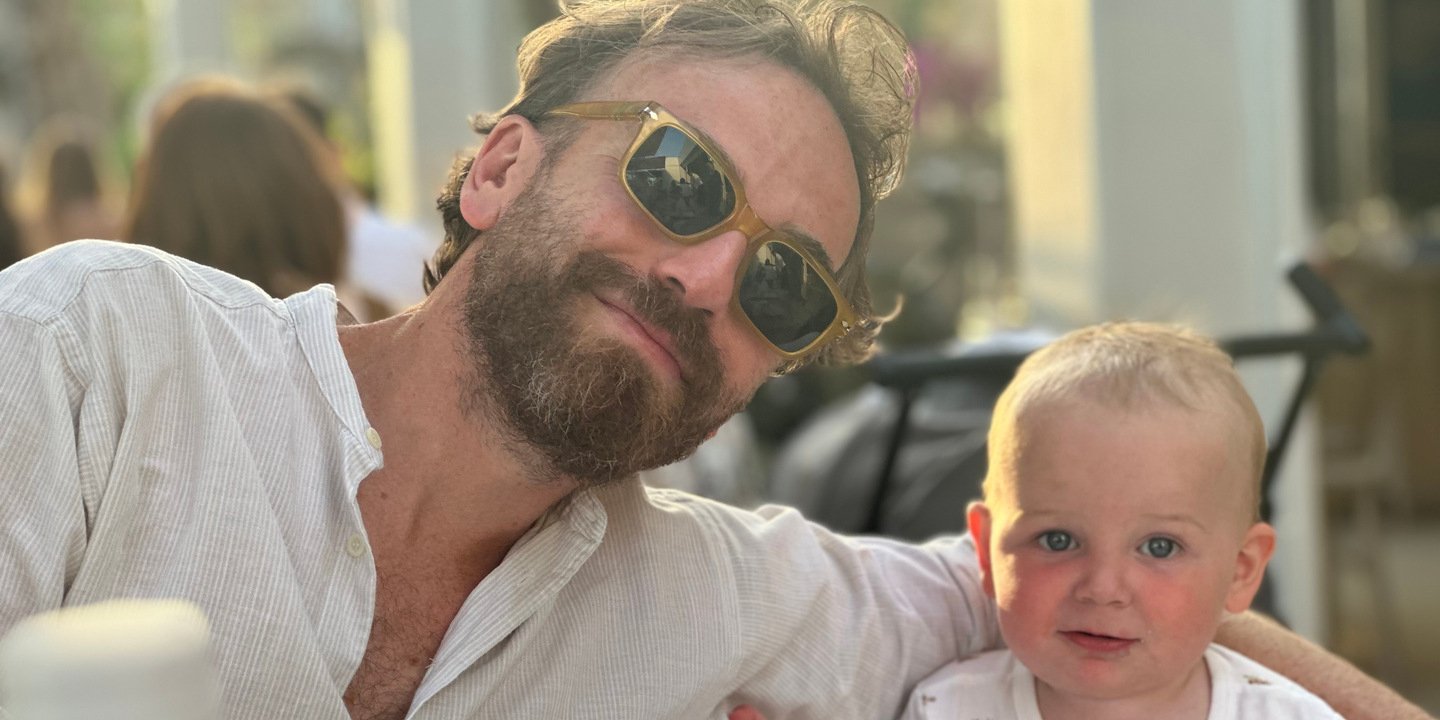
Matt Burns did not enter design through a tidy sequence of education, placement and agency employment. Now executive creative director and co-founder at Thirst, a global beverage design and innovation studio with teams in London, Glasgow and New York, he describes an uncertain beginning. He says he took jobs that paid his expenses without offering purpose, including factory night shifts spent monitoring cardboard-box machinery and clearing jams. He recalls knowing only that he could not stay indefinitely.
Burns recalls leaving university after about a month. He enjoyed photography but not studying it, and he was unhappy. Later, his mother found a local full-time design course, where a small illustration portfolio earned him admission. The course showed him that creativity might become paid work, although he says he was not ready to use the opportunity fully. He wanted to enjoy himself, while his mother was unwell and he had little mental space for ambition.
A Direction Arrived Late
The decisive change, Burns says, was internal rather than institutional. Burns eventually developed a desire to become genuinely excellent at one pursuit, and design became that pursuit. From then on, he bought books with the money available to him, read widely, practised continuously and produced work without waiting for a commission. Typography became a particular fascination. For the first time, effort had a clear destination.

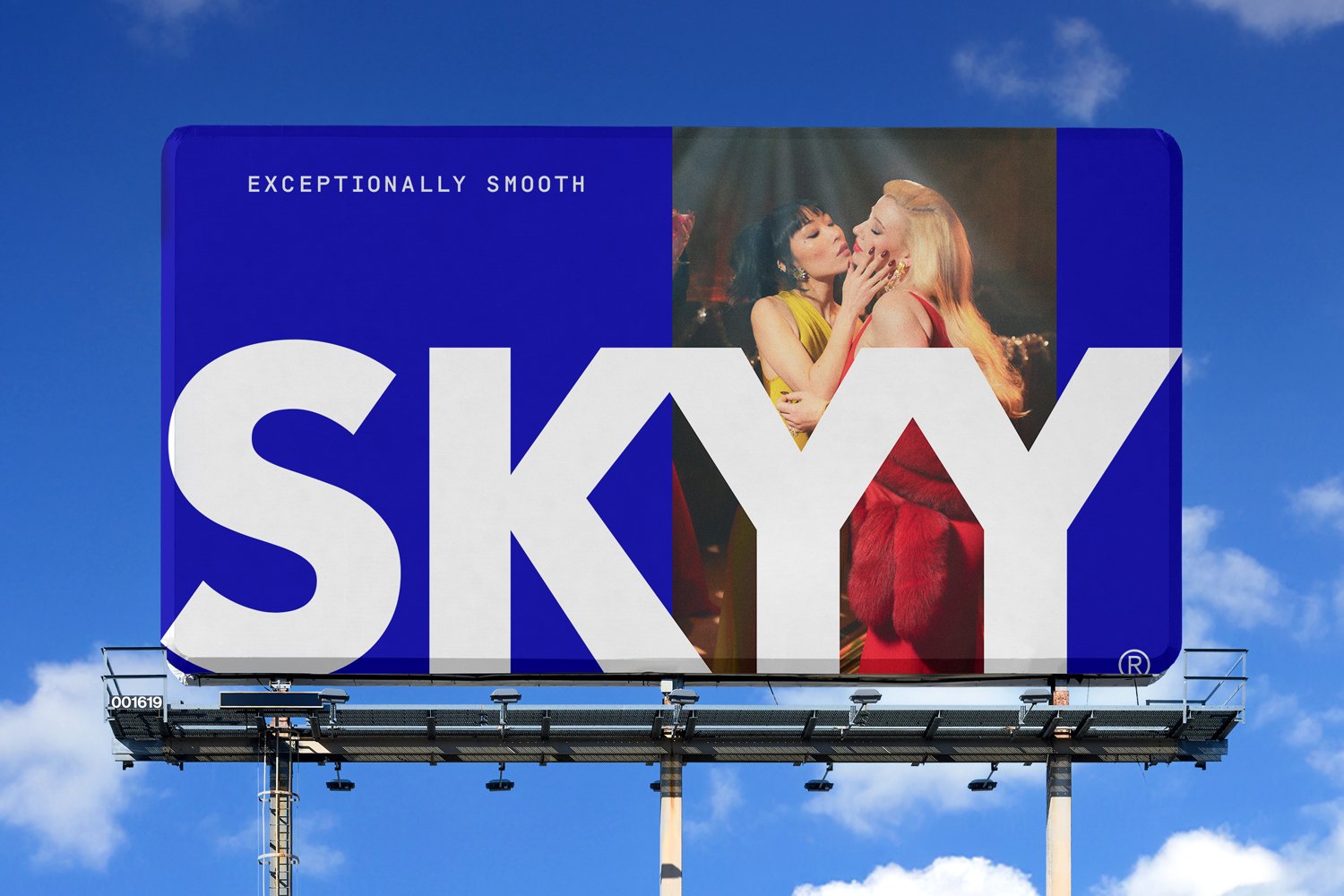
In retrospect, Burns gives less weight to innate talent than sustained attention. A portfolio need not be large or flawless; a small selection can show that its maker tested ideas, reflected and cared. He believes studios can distinguish assigned work from practice pursued through real curiosity. That makes independent effort valuable, especially without a conventional pedigree.
Beer Gave the Work a Subject
At roughly the same time, Burns says he became absorbed in craft beer. His interest extended beyond drinking to the people who made it, the culture around it, its vocabulary and the distinctions in flavour. Eventually, he understood that beer and design did not need to remain separate interests. One could give the other a useful arena.
This proximity to a specific industry supplied context: brands, audiences and products created tangible problems for design to address. Burns’s lesson for people seeking an internship or placement is to investigate something they already care about with unusual depth. Authentic curiosity gives the work specificity and offers a more memorable starting point than trying to appeal to every possible employer.
Small Jobs Became a Way Forward
He recalls that his earliest label projects came from people he knew. Payment was sometimes modest and sometimes arrived as beer, but the assignments connected his growing design practice with a real market. Moving to Scotland then prompted a more committed step. Burns contacted dozens of breweries to ask for work. Silence was common and one response was openly dismissive, yet another brewery agreed to meet him. That single conversation redirected his life.

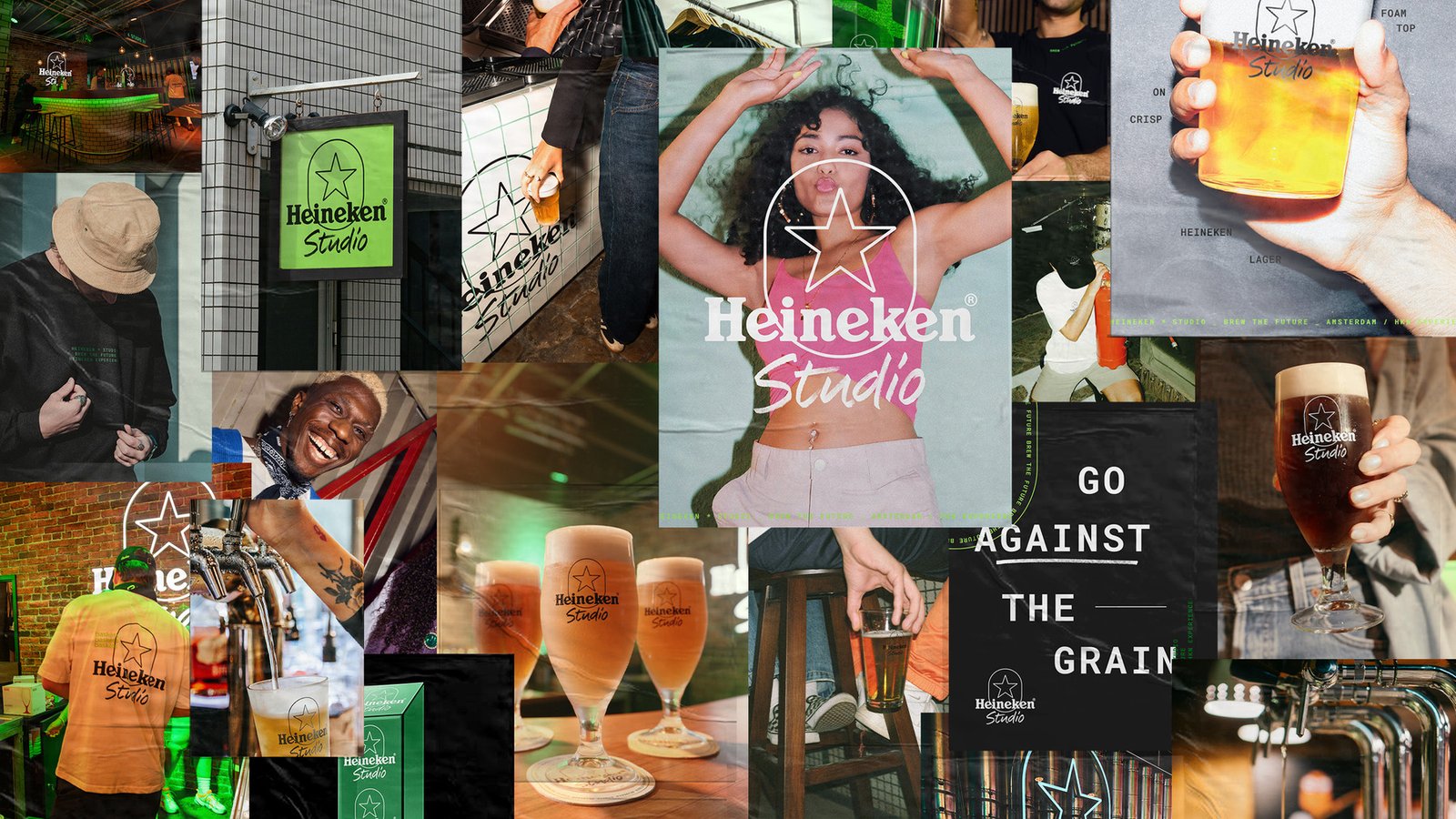
The approach was not strategically perfect, and neither was the message. Its importance was that it was sent. Burns sees hesitation as a larger obstacle than an imperfect introduction: people can become so preoccupied with saying the wrong thing that they never create the possibility of a useful answer.
Experience Included Failure
Burns never followed the route through a large agency. Learning happened while he worked, and it included mistakes, lost clients and occasions when the result fell below the required standard. Those experiences gradually sharpened his judgement. When presenting an idea now, he pays attention to whether he truly believes in it, and tries to identify that conviction—or its absence—before a presentation begins.
Burns says he uses artificial intelligence and finds it useful for speed, structure and clarity. He does not, however, see it as a substitute for judgement, taste or work that makes people feel something.
Curiosity Matters More Than Polish
For applicants trying to secure their first meaningful experience, Burns argues that studios are not expecting a completed professional. More useful signals are reliability, thoughtful questions and a willingness to own the process of learning. He would favour an open, curious beginner over someone whose presentation looks accomplished but who waits passively for direction.
That principle also softens the fear of making an irreversible career choice. Burns’s broader point is that people decide with the knowledge available to them, discover more through action, and adjust. Seen from the present, his unfinished university experience, local course, factory work, private study and early brewery contacts form a coherent route. While he was living through them, they did not.
Burns says he now measures success less by expansion than by having stayed with a discipline long enough to become skilled—and by knowing he has made his parents proud. His experience suggests that feeling late is not proof of failure. A creative path may only become legible in retrospect; the immediate task is to find a subject worth sustained care, then allow commitment enough time to change both the work and its maker.